Corporate Event A.I. Artificial Intelligence Photo Booth Orange County
Introduction
A corporate event A.I. Artificial Intelligence photo booth Orange County experience can do more than produce entertaining images. When it is planned well, it gives guests a reason to stop, participate, share branded content, and return to your activation. When it is planned poorly, it can create long lines, inconsistent imagery, privacy concerns, and a booth that feels disconnected from the event.
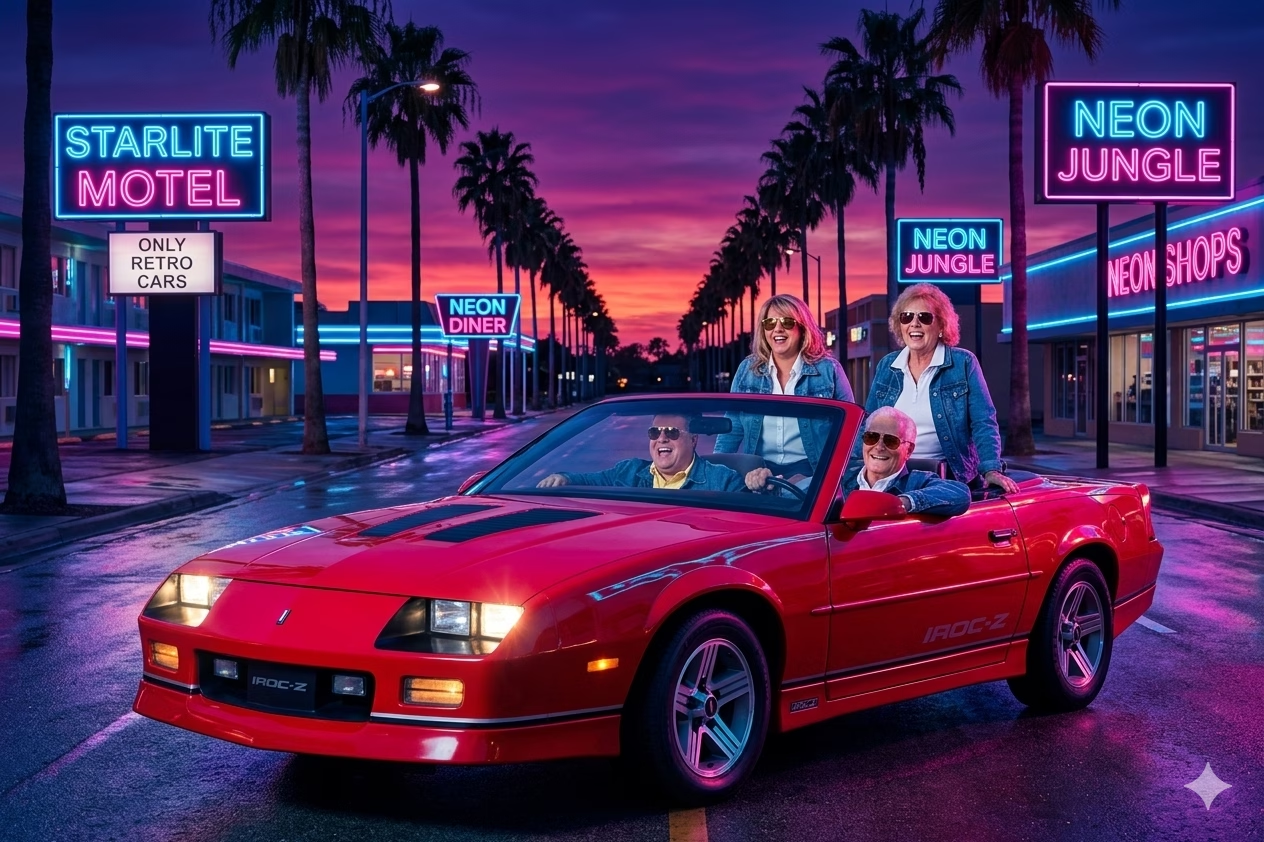
The difference comes down to operational design. Your team needs to choose the right format, control the creative direction, prepare the venue, and decide what success will look like before the first guest steps in front of the camera.
Table Of Contents
TL;DR
An AI photo booth is strongest when it supports a specific corporate goal: trade show lead capture, employee participation, professional headshots, product storytelling, or social sharing. Choose the format based on guest volume and desired output, approve a limited set of brand safe creative concepts, confirm venue power and connectivity early, and measure more than total photos.
Key Takeaways
• Match the booth to the objective. AI transformations, professional portrait booths, conventional photo booths, and 360 video experiences solve different event problems.
• Control creative inputs. A short menu of reviewed AI styles usually produces more consistent branded content than open ended guest requests.
• Plan for guest flow. Rendering time is only one part of throughput. Prompt selection, retakes, sharing, printing, and staff support all affect the line.
• Treat privacy as part of the experience. Guests should know what is collected, how images are shared, how long they are retained, and how to request deletion.
• Compare quotes by scope, not headline price. Hours, staffing, prints, custom design, travel, cellular service, overtime, and post event delivery can materially change the total.
Select The Right AI Photo Booth Format
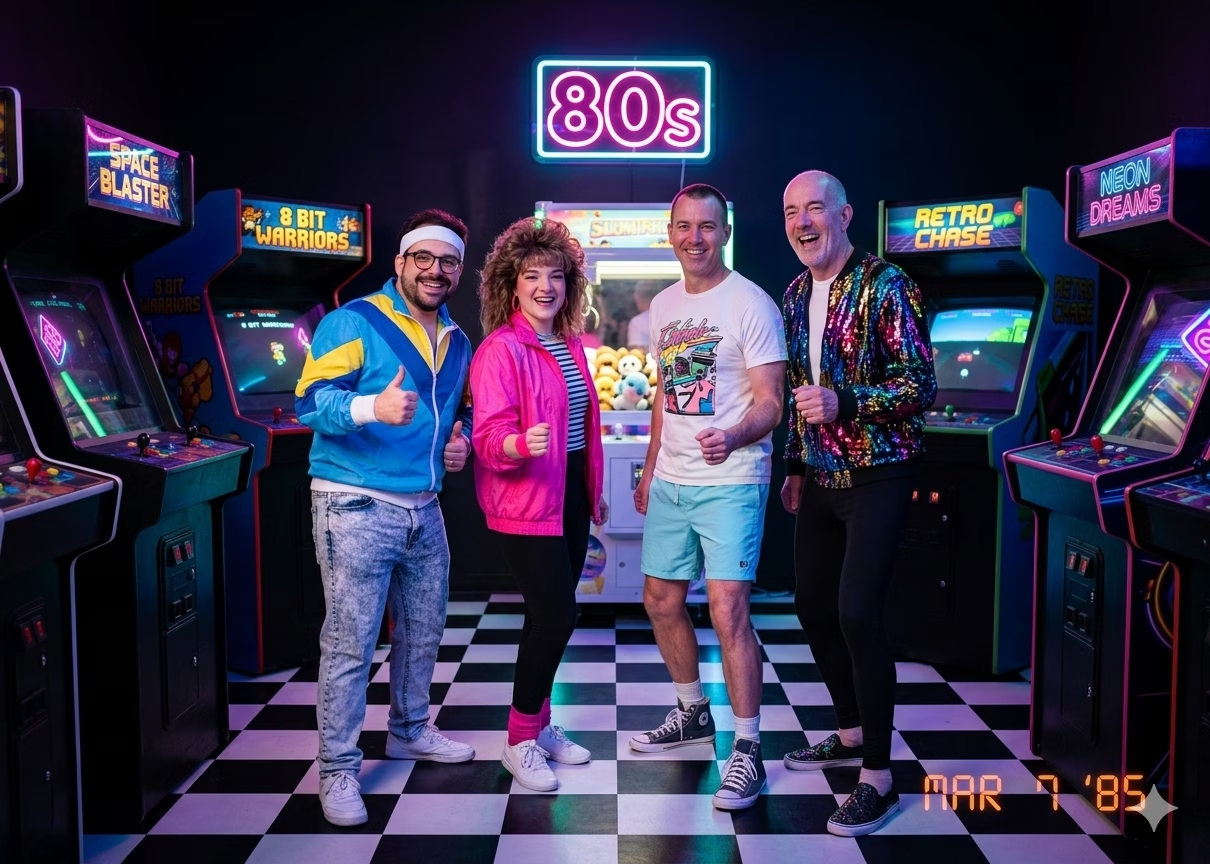
An AI photo booth captures a guest image and uses artificial intelligence to create a transformed portrait, scene, or stylized output. Depending on the configuration, a guest may appear on a magazine cover, in a campaign themed environment, as a character, or in a polished editorial portrait. The best corporate use is not always the most elaborate visual effect. It is the one that makes participation easy and reinforces why your company is hosting the event.
Compare Formats Before You Choose
Use the event objective as the decision filter. A booth that works at a high energy product launch may not be the right choice for an executive networking reception.
Format | Best Corporate Use | Main Strength | Watch For |
|---|---|---|---|
AI transformation booth | Product launches, brand activations, employee parties | High novelty and campaign storytelling | Rendering and selection steps can slow lines |
AI portrait or headshot booth | Conferences, recruiting, networking, leadership events | Useful professional take home content | Requires flattering lighting and careful portrait review |
Conventional photo booth | Galas, team events, high volume receptions | Predictable speed and familiar prints | Less visual novelty than generative output |
360 video booth | Celebrations, launches, social focused activations | Motion content with a dramatic feel | Needs more floor space and may not suit formal networking |
An AI transformation booth is often the right choice when your campaign has a strong visual world. Consider a software company introducing a futuristic security platform. Instead of adding a generic logo to a standard photo strip, the booth can place guests in a stylized command center that uses approved brand colors and visual cues. The resulting image has a clearer connection to the campaign.
A professional AI portrait booth works better when guests value utility over spectacle. At a conference or recruiting event, a refined profile image may be more compelling than a fantasy transformation. If you want this format, define what “professional” means for your organization. It could mean clean studio lighting, a restrained background, a business casual look, or a polished editorial treatment. It should not mean altering a guest’s identity beyond recognition.
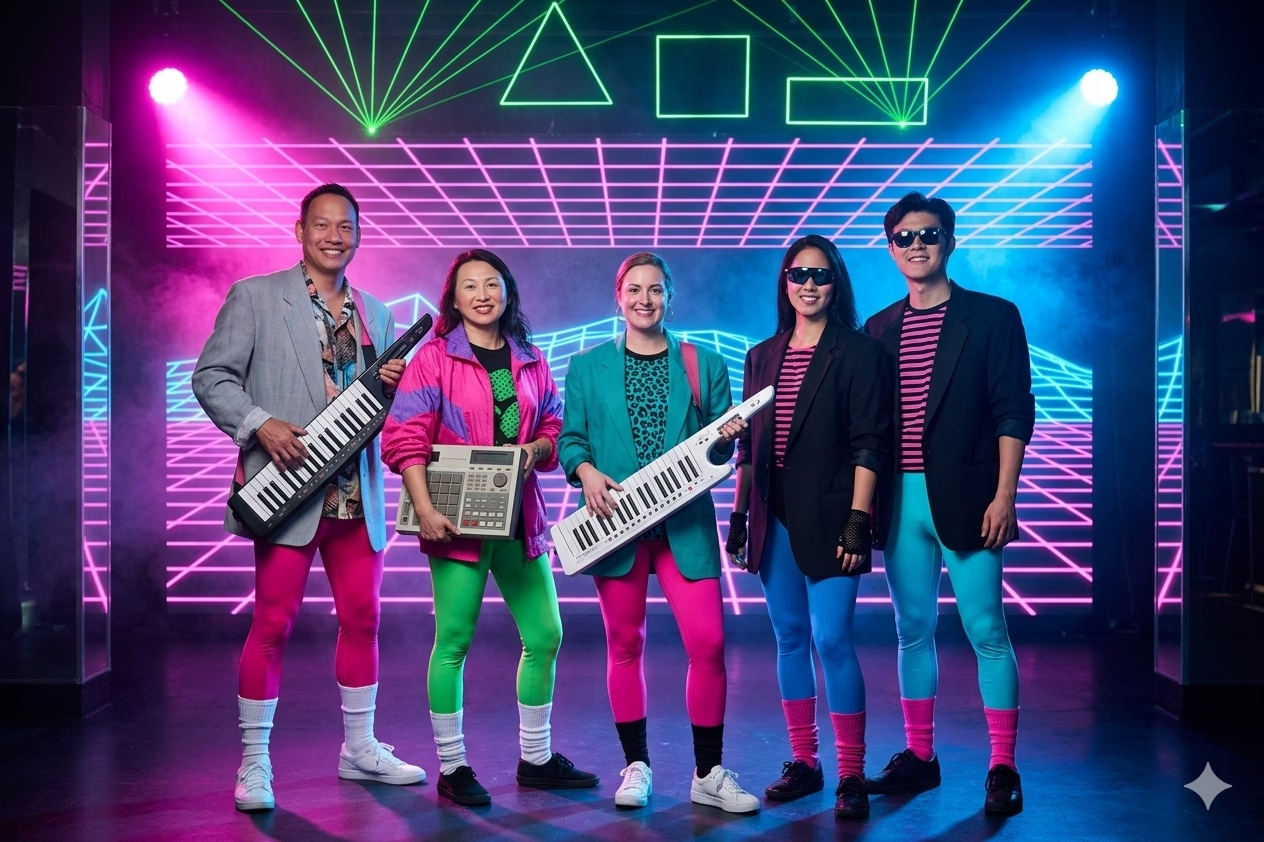
For local planning details tied to a major convention and tourism market, review the AI Photo Booth Rental for Anaheim Corporate Events resource alongside your venue requirements.
Build A Realistic Throughput Model
Do not base capacity on a promise that an image renders in seconds. A completed guest experience includes several steps:
- A guest notices the booth and joins the line.
- They choose an approved style or campaign concept.
- They pose, review the capture, and possibly take a retake.
- The system generates the image.
- The guest receives it by QR code, text delivery, email, print, or gallery access.

A simple planning formula is:
Completed guests per hour = 60 minutes ÷ average total minutes per completed experience
If a guest experience averages two minutes from style selection through delivery, one station could theoretically complete about 30 experiences per hour. In reality, a crowded trade show line, group photos, retakes, print collection, and questions about sharing can reduce that number. A safer approach is to ask the provider to estimate capacity using your exact workflow, not a generic render time.
For example, a one person executive mixer may have a relaxed pace and benefit from a more guided portrait session. A trade show booth with a 20 minute rush between sessions may need one tap style selection, digital delivery, and an attendant who actively manages the queue. The same technology can serve both events, but the guest journey should be different.
When To Add More Than One Station
Consider a second station, roving capture option, or a separate sharing area when any of these conditions apply:
• You expect a concentrated arrival window rather than steady traffic.
• The booth is a primary attraction rather than one activity among many.
• Group portraits are central to the creative concept.
• Printing is required for every guest.
• You need both lead collection and a fast entertainment experience.
A second station is not automatically necessary for a large guest count. If participation is optional over a four hour reception, one well staffed experience may be sufficient. If 500 attendees have only one hour between keynote sessions, capacity becomes the central issue.
Design A Branded Experience Guests Will Use
Branding is more than placing a logo in the corner of a finished image. The best experiences connect the screen flow, visual style, physical footprint, delivery page, and follow up message to one campaign idea.
Use Prompt Governance Instead Of Unlimited Choices
A corporate activation should usually offer a curated set of concepts rather than unrestricted text entry. This practice, often called prompt governance, protects brand consistency and reduces the chance of unsuitable or confusing outputs.
Start with three to four approved creative directions. Each should have a short guest friendly name, a visual reference, and a defined purpose. For example:
• Future Of Work: Clean architectural settings, modern workspaces, and campaign colors.
• Product Power Mode: Product inspired environments that feature approved shapes and visual motifs.
• Awards Night Editorial: Premium lighting, elegant backgrounds, and a polished gala feel.
• Team Adventure: A playful but workplace appropriate transformation for employee celebrations.
Before launch, review test images for brand colors, logo placement, wardrobe treatment, cultural sensitivity, and whether the output remains recognizable as the guest. Also set boundaries. Avoid concepts that imply protected characters, make claims your legal team would not approve, imitate a public figure, or create potentially offensive transformations.
Fair warning: a concept that looks impressive in a single sample image may not work across a wide range of skin tones, hairstyles, glasses, mobility devices, group sizes, and clothing colors. Request representative testing before approving the final experience.
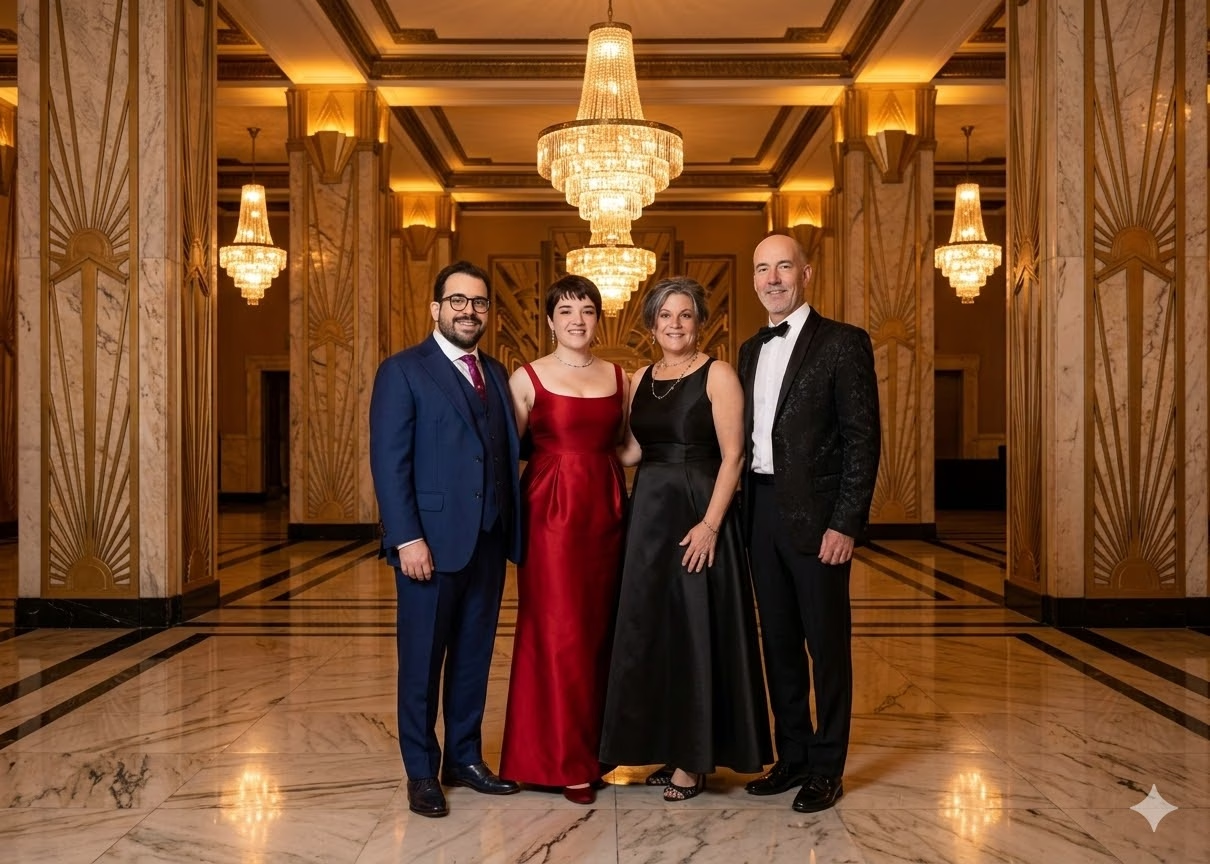
Decide Where Branding Belongs
A branded overlay can be useful, but it should not overwhelm the photo. A better approach is to spread branding across several touchpoints:
Touchpoint | Purpose | Practical Guidance |
|---|---|---|
Welcome screen | Set expectations | Explain the experience in one clear sentence |
AI style selection | Connect choice to campaign | Use concise names and approved preview images |
Final image | Preserve brand recognition | Use subtle logo placement and campaign elements |
Delivery page | Support sharing or lead capture | Keep the image download prominent |
Print template | Create a physical reminder | Include event name, date, or a useful call to action |
If lead capture is part of the activation, do not hide the value exchange. Guests should understand whether an email or phone number is optional, whether it is needed to receive their image, and what marketing communications may follow. A forced form can reduce participation at a busy event. A voluntary opt in with a clear benefit often creates cleaner data.
For an Orange County beachside or resort style event, the Huntington Beach Corporate Event AI Photo Booth Guide can help you think through format and activation fit without treating every venue as identical.
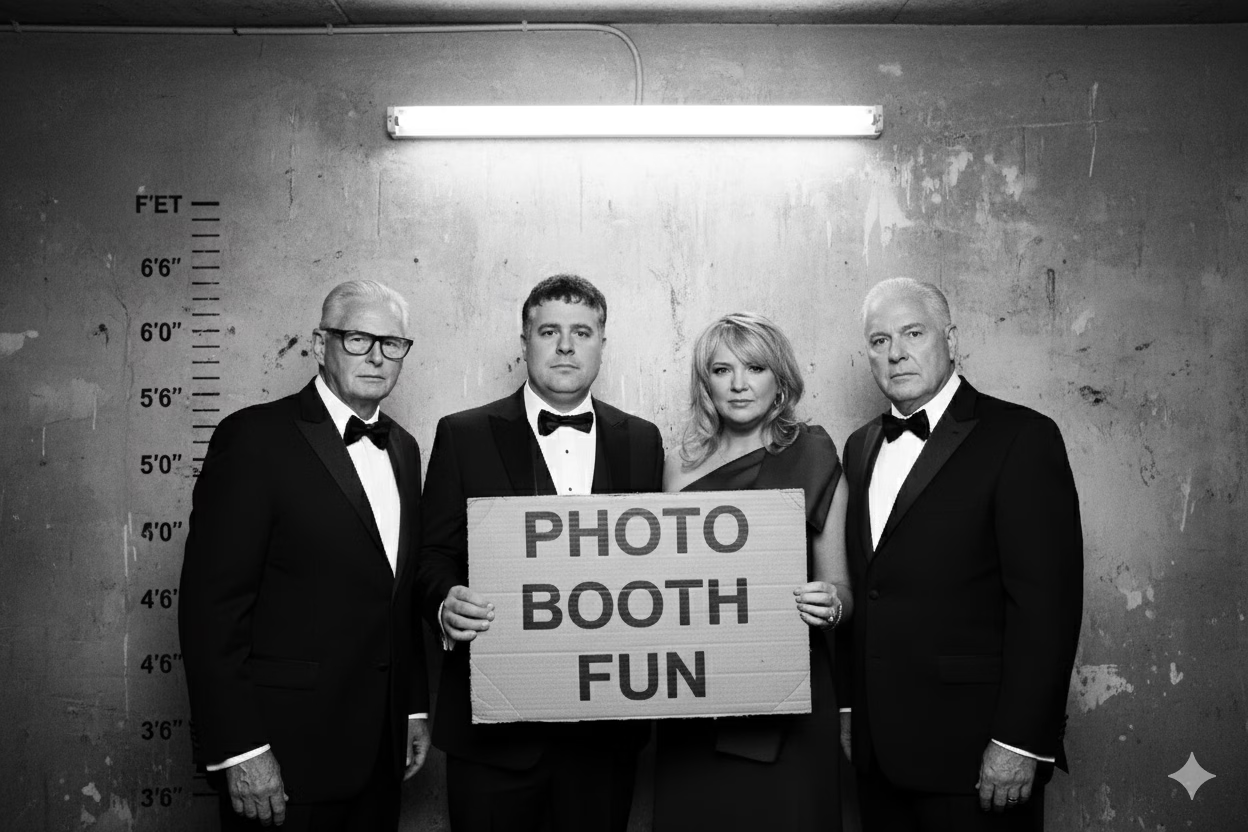
Create A Privacy And Consent Workflow
AI generated images can raise understandable questions. A corporate event should not assume that every attendee is comfortable with image capture, public galleries, face transformations, or marketing reuse.
Build a simple workflow before the event:
- Place clear signage near the booth explaining that photos will be captured and transformed.
- State how guests receive images and whether an online gallery will be public, private, or access controlled.
- Identify the retention period for original images, generated images, and contact information.
- Provide a practical deletion contact or request method.
- Confirm in writing whether images are used to train any AI system, shared with subcontractors, or reused in future marketing.
- Give guests a participation alternative when possible, such as a conventional photo option or a non sharing mode.
This is especially important for employee events, healthcare related gatherings, financial services events, and conferences with international attendees. The right answer depends on your organization’s policies and legal obligations, so involve privacy, legal, and human resources teams early when the event carries elevated sensitivity.
Prepare Your Orange County Venue And Guest Flow
Orange County includes convention halls, hotel ballrooms, office campuses, outdoor courtyards, beach adjacent venues, restaurants, and private estates. The booth itself may be portable, but the environment still determines whether the activation feels effortless.
Confirm Venue Readiness Before Event Week
Ask your venue and provider to confirm these details in writing:
• Footprint: Allow room for the booth, backdrop or set, queue, attendant, accessible approach, and print pickup if applicable.
• Power: Confirm outlet location, dedicated circuit needs, cable protection, and whether extension runs are permitted.
• Internet: Determine whether venue Wi Fi is available, restricted, paid, congested, or unsuitable for vendor equipment.
• Cellular backup: Test service near the activation location when possible. A lobby may have excellent reception while a ballroom interior does not.
• Loading access: Confirm dock hours, elevator dimensions, parking, security check in, and the distance from loading area to event space.
• Lighting: Avoid placing screens in direct sunlight or where harsh backlighting makes portraits difficult.
• Venue rules: Hotels, convention centers, and union managed facilities may have rules for installation, electrical work, insurance documentation, or vendor access.
Outdoor events need an additional weather plan. Wind can affect backdrops and signage. Bright sun can reduce screen visibility. Heat may affect equipment and guest comfort. If the activation is essential to your program, secure a covered backup location rather than hoping conditions remain ideal.
Make Accessibility A Design Requirement
Accessibility is not an optional add on after the booth is designed. Guests may use wheelchairs, have different heights, need additional time, prefer a quieter interaction, or require assistance with a touchscreen or QR code.
Practical accommodations can include a clear path to the booth, adjustable camera framing, an attendant ready to assist, large readable screen text, seating nearby, and a low pressure option for guests who do not want public sharing. For a headshot event, privacy for retakes can matter as much as physical access.
The Corporate AI Photo Activation Huntington Beach Guide is also useful when you are comparing open layouts, outdoor conditions, and activation logistics for guest facing corporate events.
Plan For Common Failure Modes
No event technology is immune to disruption. A reliable plan does not promise that nothing will fail. It defines what happens when it does.
Potential Issue | Likely Effect | Contingency To Confirm |
|---|---|---|
Weak internet or cellular service | Delayed rendering or sharing | Local capture, queued delivery, backup connection, post event gallery |
QR delivery problem | Guest cannot retrieve image immediately | Text, email, manual lookup, or gallery retrieval option |
Printer interruption | Physical keepsakes pause | Digital delivery continues while staff restores or replaces printer |
Failed AI render | Guest waits or receives no output | Retry rule, alternate style, or conventional photo fallback |
Long queue | Guests abandon activation | Attendant queue management and simplified style selection |
Inappropriate result | Brand or guest concern | Remove image, pause style, and use preapproved alternatives |
Ask who is responsible for each recovery step. An on site attendant can be valuable because they manage more than hardware. They can explain the flow, reduce guest hesitation, help with retakes, handle delivery questions, and keep a small issue from becoming a visible event problem.
Measure Results And Compare Costs Fairly
A corporate photo booth should be measured against its intended job. Total images alone can be misleading. A booth that produces 400 images may be excellent for an employee celebration but weak for a trade show if it collected few qualified contacts or had low product relevance.
Set KPIs Before You Approve The Experience
Choose a small group of metrics that match the event goal:
• Participation rate: Completed experiences divided by estimated eligible guests.
• Queue abandonment: Guests who approach or begin the process but leave before completion.
• Opt in rate: Voluntary marketing consents divided by completed experiences.
• Qualified leads: Contacts meeting your defined role, budget, industry, or interest criteria.
• Share rate: Images delivered or shared compared with completed captures.
• Repeat engagement: Guests returning with colleagues or participating in more than one style.
• Cost per useful outcome: Total activation cost divided by qualified leads, completed portraits, or another meaningful measure.
For a recruiting event, a useful outcome may be a completed headshot and a conversation with a recruiter. For a product launch, it may be a completed experience plus a campaign opt in. The metric should reflect the business case, not just the novelty factor.
Normalize Quotes Before Comparing Price
Advertised Orange County packages vary widely. Some local offers are presented below $1,000 for a three hour digital configuration, while other three hour setups with more customization or on site prints are advertised at $1,500 to $2,500 or more. These figures are not directly comparable without scope.
Use this comparison checklist:
- Confirm rental hours, including setup, active service time, and teardown.
- Confirm whether an attendant is included for the full activation.
- Identify the number of custom AI styles and revision rounds.
- Separate digital delivery, print quantity, print stock, and branded print design.
- Ask about travel, parking, venue fees, taxes, overtime, and after hours access.
- Confirm internet or cellular backup and what happens if sharing is delayed.
- Request post event gallery access, lead export fields, and retention terms.
A lower quote may be ideal for a casual employee lunch with a digital only workflow. It may be less suitable for a trade show activation requiring custom campaign art, lead capture, fast delivery, branded prints, and active queue management. Compare the operational outcome you need, not only the rental line item.
Frequently Asked Questions
What Is An AI Photo Booth And How Is It Different From A Regular Booth?
A regular photo booth captures a standard photograph and may add a template, filter, or print layout. An AI photo booth uses artificial intelligence to transform the image into a new styled portrait or scene. The added creative step can make the output more distinctive, but it can also add rendering time and requires stronger creative controls.
How Much Does A Corporate AI Photo Booth Cost In Orange County?
Pricing depends on rental duration, staffing, printing, customization, delivery method, travel, venue access, and complexity. Local advertised examples range from under $1,000 for some three hour digital packages to $1,500 or more for more customized experiences, with printing based packages often costing more. Request an itemized quote before comparing vendors.
How Many Guests Can One AI Booth Serve Per Hour?
There is no universal number. Capacity depends on total guest interaction time, not just image rendering speed. A streamlined individual digital experience can move much faster than a group experience with multiple style choices, retakes, printing, and lead forms. Ask for a capacity estimate based on your event format and peak arrival periods.
Can The Experience Use Our Logo, Brand Colors, Products, Or Theme?
Usually, yes. Branding can appear in the screen flow, AI concepts, overlay, print design, delivery page, and physical setup. Provide your brand guidelines, approved assets, campaign message, and restrictions early. A smaller number of reviewed visual concepts usually protects brand consistency better than unlimited creative options.
Does The Booth Need Venue Wi Fi?
Not always. Some providers offer cellular connectivity or another backup method, but coverage varies by location and room. Do not assume hotel Wi Fi or cellular service will be sufficient. Confirm the plan for image generation and delivery if the connection is slow, unavailable, or restricted by venue policy.
Can Guests Receive Both Digital Images And Prints?
Many setups can support both, but printing changes the workflow. It adds physical keepsakes and can extend brand exposure, yet it may also create a pickup step and introduces printer related contingencies. For a high volume event, decide whether every guest needs a print or whether digital delivery is the faster primary option.
How Should We Handle Privacy For Employee And Attendee Images?
Use visible consent information, explain image delivery and retention, limit access to galleries, and establish a deletion request process. Confirm whether original and generated images are retained, who can access them, and whether any images are used for AI model training. Your legal and privacy teams should review the workflow for sensitive events.
What Should Be Included In The Vendor Contract?
Include service hours, setup access, staffing, equipment scope, branding approvals, delivery method, connectivity plan, print terms, overtime rates, cancellation terms, insurance requirements, privacy commitments, image retention, deletion process, and contingency procedures. Specific written expectations are more useful than broad promises of “instant” service.
Conclusion
A corporate AI photo booth can turn a passive event moment into branded participation, but only when the experience is designed around your audience and operational reality. Choose the format that fits the goal, simplify the guest journey, protect privacy, and prepare for the venue conditions that can affect performance.
When you evaluate an Orange County provider, ask detailed questions about capacity, custom design, staffing, connectivity, accessibility, data handling, and recovery plans. That preparation helps you create an experience guests will remember for the right reasons.
When implementing new technology, review the FTC’s AI business guidance to ensure your event activations remain compliant with consumer privacy and data protection standards.
When implementing new technology, event planners should review guidelines on AI and your business to ensure consumer data privacy and transparency standards are met.