Trade Show AI Photo Booth Orange County Planning Guide
Introduction
A trade show AI photo booth Orange County activation can give attendees a clear reason to stop, participate, and remember your booth after the convention floor closes. The strongest version is not simply a camera with a logo placed on the output. It is a branded interactive experience designed around your event objective: lead generation, product awareness, recruiting, networking, social sharing, or a memorable launch moment.

For exhibitors in Anaheim, Irvine, Costa Mesa, Santa Ana, and nearby event markets, the main decision is not whether AI looks impressive. It is whether the experience can process attendees smoothly, fit the booth footprint, protect brand standards, and produce useful post event data.
A well planned activation can turn a brief booth visit into a personalized asset an attendee may save, share, or revisit later. Poor planning can create a long queue, slow delivery, unclear consent, and a folder of contacts that does not connect to your sales process.
Table Of Contents
• Choose The Right AI Booth Format
• Design A Branded Trade Show Experience
• Plan Operations, Space, And Data
• Measure Results Beyond Foot Traffic
TL;DR
Choose an AI photo booth based on your actual trade show goal. Use artistic AI transformations to attract attention, AI headshots to support professional networking, and a staffed workflow when traffic, consent, or brand conversations matter. Confirm venue access, power, connectivity, data ownership, and fallback delivery before signing.
Choose The Right AI Booth Format
An AI photo booth captures an attendee image, then applies a generated style, background, visual effect, or portrait treatment. The attendee may appear as a polished executive, a futuristic avatar, a comic style character, a campaign themed explorer, or a person placed in a product inspired environment.
The output may look playful, editorial, cinematic, or business focused. That flexibility is useful, but it also makes format selection critical.
AI Headshots Versus Artistic Transformations
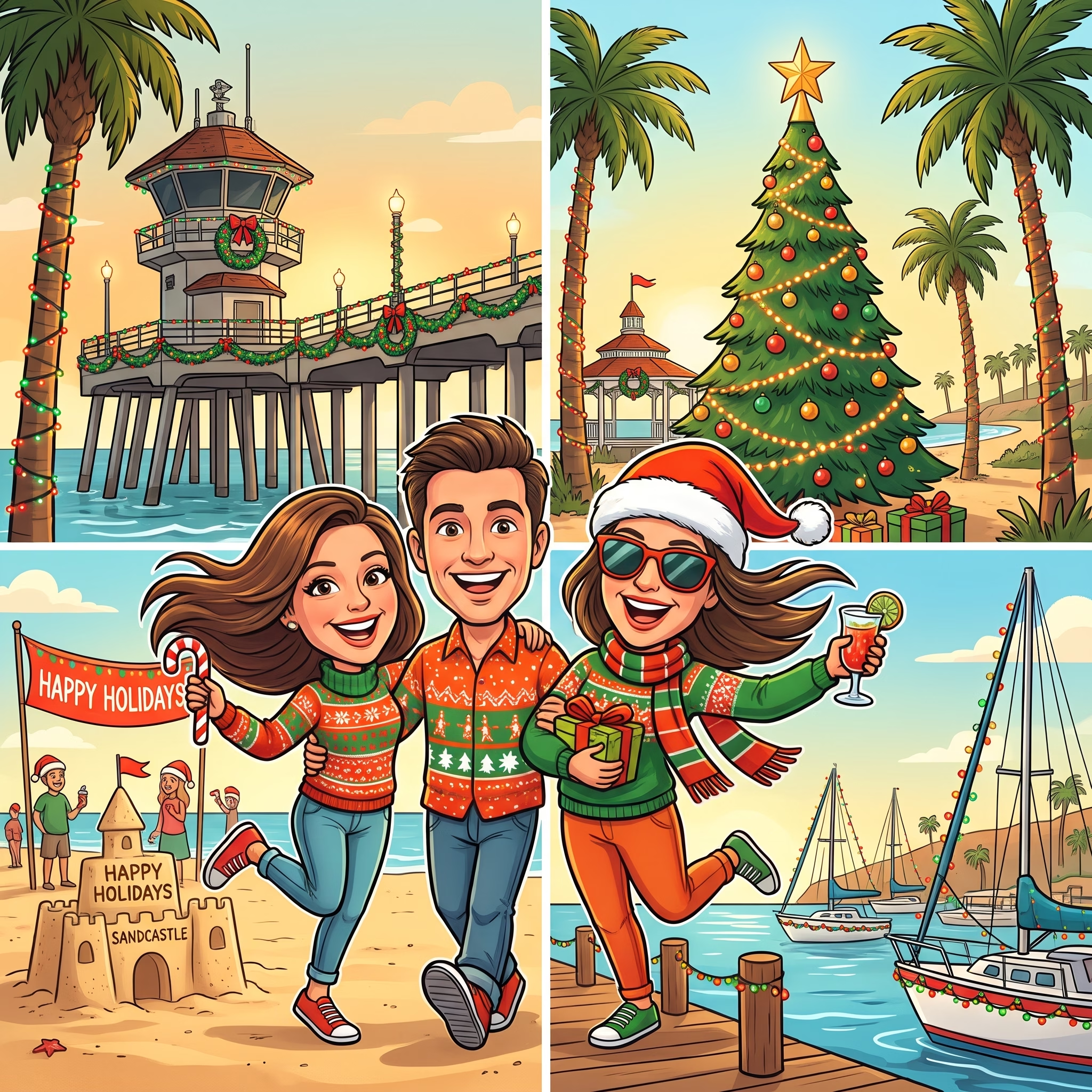
AI headshot booths and artistic AI photo booths are often grouped together, yet they serve different jobs on the trade show floor.
Experience Type | Best For | Typical Attendee Motivation | Primary Business Value | Consider Before Choosing |
|---|---|---|---|---|
AI headshot lounge | Conferences, recruiting events, B2B expos | Receive an updated professional portrait | Longer conversations and practical value | Requires careful lighting, clear expectations, and professional review standards |
Artistic AI transformation | Product launches, entertainment, consumer activations | See a surprising version of themselves | Booth attraction and social sharing | Needs strong brand safety controls and fast processing |
AI avatar photo booth | Tech events and gaming adjacent campaigns | Create a branded digital identity | Memorable campaign association | Make sure the avatar style supports your audience rather than distracting from the product |
Standard branded photo booth | Events needing dependable speed | Take a polished event photo | Reliable high volume participation | Less novelty if nearby exhibitors offer more interactive experiences |
360 video activation | High energy launches and social content | Create motion focused video | Dynamic, shareable content | Requires more space and may slow down the queue |
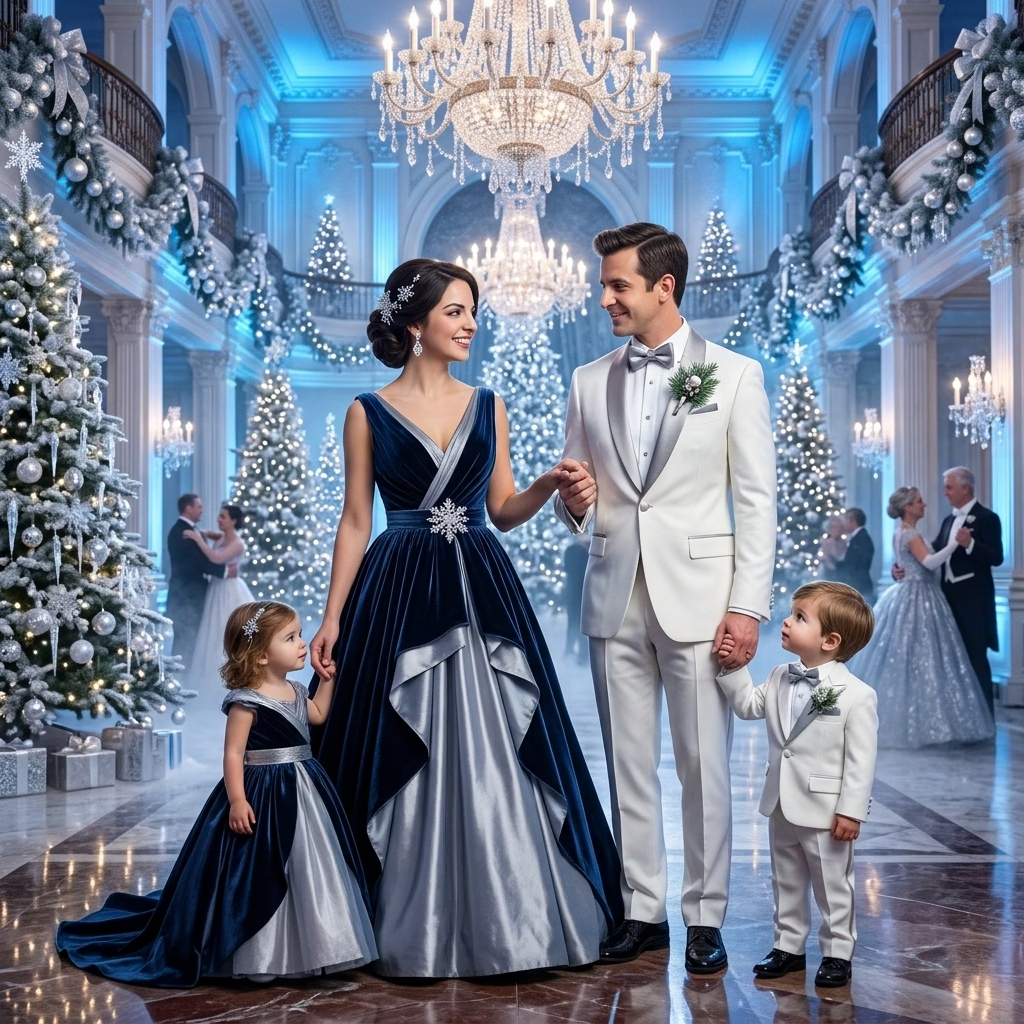
Choose an AI headshot booth when attendees will value a professional image for LinkedIn profiles, conference bios, speaker pages, or recruiting materials. A B2B cybersecurity exhibitor, for example, may get more qualified conversations from a polished headshot lounge than from a fantasy themed portrait.
Choose an artistic transformation when the goal is attraction. Imagine a mobility brand inviting guests to see themselves in a future city inspired by its product vision. The image becomes a conversation starter, then a staff member can connect the visual concept to the product.
Fair warning: an AI transformation should not be treated as an automatic lead generator. A visually exciting experience can produce many scans from people who never become prospects. Your registration flow and staff follow up determine whether participation becomes pipeline.
For corporate exhibits, a Corporate Event AI Photo Booth in Orange County can be scoped around professional portraits, branded outputs, and attendee engagement goals rather than a generic party booth format.

Match The Experience To The Booth Objective
Start with one measurable primary objective. You can have secondary goals, but asking one activation to maximize speed, lead qualification, social sharing, detailed product education, and executive hospitality at the same time usually creates friction.
Use this decision sequence:
- Define the action you want after the photo. This could be booking a demo, receiving a product brief, joining a campaign, meeting a recruiter, or sharing a branded image.
- Identify the audience incentive. A professional headshot offers utility. A generated avatar offers novelty. A printed photo may appeal to collectors or attendees who prefer a tangible takeaway.
- Set the desired interaction length. If your sales team needs two minutes for qualification, design an experience that gives them that opening. If the booth needs rapid throughput, keep choices and registration fields short.
- Decide what makes a lead qualified. A valid email address is not necessarily a qualified lead. Job title, company size, product interest, purchase timeframe, or meeting request may matter more.
Avoid The Feature Checklist Trap
It is easy to compare vendors by counting themes, filters, backdrops, or screen sizes. Those details matter, but operational fit matters more. An elaborate AI generator with six transformation options can slow participation if each guest must select styles, approve inputs, and wait for processing.
A simpler experience may outperform it when your booth has a narrow aisle, a short exhibit hall window, or a sales team that needs predictable handoffs. The best setup is the one your team can explain in a single sentence from the aisle.
Design A Branded Trade Show Experience
Branding should guide the entire attendee journey, not just frame the final image. Your logo, campaign colors, visual language, and call to action can appear at registration, on screen, within the image treatment, and in the delivery message.
Build The Experience Around A Clear Story
The strongest concepts connect the AI output to the reason you are exhibiting. If a company is launching a cloud security platform, an attendee could receive a future ready command center portrait rather than a random superhero image. If the event introduces a new beverage, the transformation might place guests inside a stylized world shaped by the flavor, packaging, or campaign line.
That connection matters because an attendee should be able to answer a simple question after leaving: _Why did this image come from this brand?_
A Product Launch Photo Booth in Orange County can be especially useful when the visual treatment needs to reinforce a new product story rather than operate as separate entertainment.
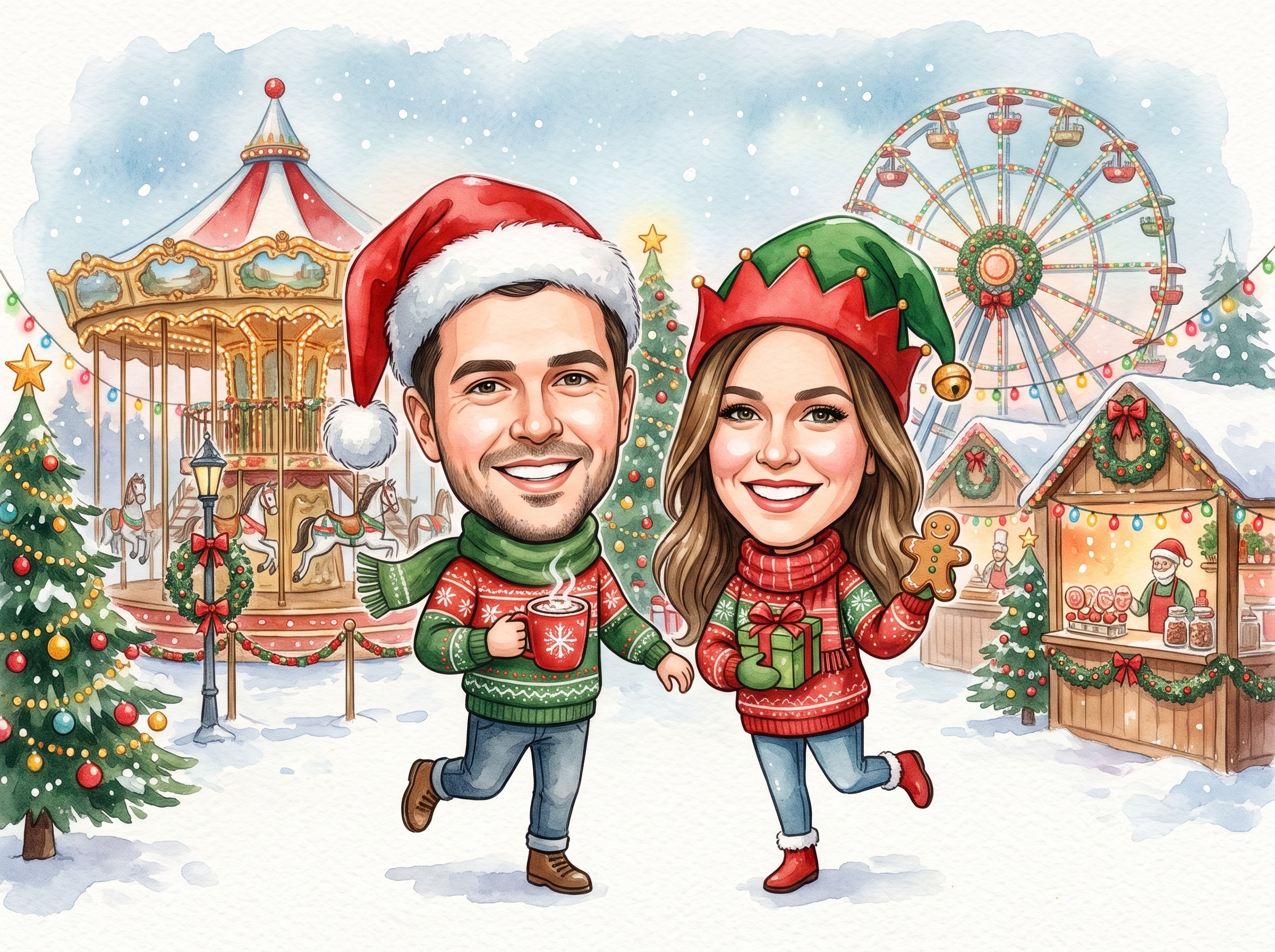
Create A Short, Low Friction Attendee Flow
A trade show attendee may be carrying a badge, coffee, tote bag, and phone while trying to reach the next appointment. Do not make the activation feel like a lengthy application form.
A practical flow often looks like this:
- Attract: Use a visible screen, sample output, concise sign, or active host to show what attendees receive.
- Invite: Explain the value in one sentence, such as receive a professional AI headshot or create your event avatar.
- Consent and register: Ask only for the information needed for delivery and qualification. Make marketing consent separate from the basic image delivery request when appropriate.
- Capture: Provide simple posing guidance and accessibility support where needed.
- Generate and review: Allow a staff member or attendee to select from approved options when the workflow permits.
- Deliver and hand off: Send the output by QR code, email, text, or print, then direct the attendee to a product specialist, meeting calendar, or giveaway station.
Use Brand Safety Controls Before The Show Opens
Generative imaging introduces risks that standard photo overlays do not always create. Faces can be rendered inconsistently. Clothing or backgrounds may not fit a regulated brand. An output can look too stylized for someone seeking a professional headshot.
Set boundaries during creative approval:
• Approve all themes, sample outputs, colors, wardrobe direction, and campaign wording in advance.
• Decide whether attendees can choose among multiple styles or only receive a curated brand approved style.
• Establish a review process for output that looks inaccurate, unsuitable, or unflattering.
• Clarify whether images are automatically deleted after delivery, retained for a defined period, or accessible in a gallery.
• Make the delivery message useful without making it feel like an unexpected sales email.
Consider an Irvine technology expo where your audience includes executives, engineers, and job seekers. A playful avatar can work well for a social campaign, but it may not satisfy someone who came expecting a LinkedIn ready image. Offering separate headshot and creative modes can solve that issue, though it adds choice and may reduce throughput.
Plan Operations, Space, And Data
The difference between a polished activation and a stressful one often appears before attendees arrive. Show floor loading rules, electrical placement, internet conditions, insurance requirements, and access windows can affect both cost and execution.
Estimate Throughput Before You Commit
There is no universal guests per hour figure for AI photo booths. Processing time depends on registration steps, pose coaching, number of images, AI generation speed, review steps, delivery method, and whether a staff member is qualifying leads.
Instead of relying on a broad capacity promise, build a simple planning model.
Workflow Element | Example Time Per Attendee | What Can Slow It Down |
|---|---|---|
Registration and consent | 30 to 90 seconds | Too many fields, badge scanning issues, unclear opt in language |
Photo capture | 20 to 60 seconds | Group photos, pose direction, retakes, accessibility needs |
AI generation and review | 30 seconds to several minutes | Complex style generation, connectivity, multiple output selections |
Delivery and sales handoff | 20 to 90 seconds | Email entry errors, printing, follow up questions, demo scheduling |
To estimate capacity, divide 60 minutes by the average session time, then reduce the result for real world interruptions. If an average session takes three minutes, the theoretical maximum is 20 sessions per hour. If attendees arrive in groups, request retakes, or need help receiving their images, actual completed sessions may be lower.
Plan for the queue you expect at your busiest 30 minutes, not the average hour.
For a high traffic trade show activation, a staffed experience is often the safer choice. An attendant can manage the line, explain consent, help with retakes, address delivery issues, and alert sales staff when a priority attendee arrives. An unattended setup can suit a company holiday party or lower traffic networking event, but it carries more risk when the show floor is busy.
Confirm Orange County Venue Readiness
Trade show floors at convention centers and hotels are not interchangeable. Before booking, confirm the activation requirements with both your vendor and venue team.
Use this venue readiness checklist:
• Footprint: Confirm the complete space needed for the device, backdrop, queue, staff position, and accessible circulation. Do not estimate from the kiosk alone.
• Power: Ask for outlet type, wattage needs, cable routing, and whether power must be ordered through convention services.
• Internet: Determine whether venue Wi Fi is reliable enough for delivery and generation. Ask whether the provider has cellular backup or can operate temporarily offline.
• Loading and timing: Confirm dock access, delivery windows, parking, freight procedures, and when the booth must be removed.
• Documentation: Verify certificates of insurance, vendor registration, fire safety requirements, and any labor or union rules that may apply.
• Sightlines: Make sure a queue does not block neighboring exhibitors, fire lanes, entrances, or scheduled product demonstrations.
Publicly advertised Orange County pricing varies widely. Basic photo booth rentals may start in the mid hundreds, while staffed AI focused packages are commonly advertised from roughly $1,500 to $2,000 and higher. The final quote can change based on service time, custom creative, prints, staffing, travel, venue restrictions, and build complexity.
Ask The Right Data And Delivery Questions
Lead capture should be designed with the same care as creative. Before purchase, ask what attendee data is collected, who owns it, where it is stored, how long it is retained, and how it will be transferred to your team.
Your quote request should include:
- Event name, venue, date, exhibit hours, and load in schedule.
- Booth size, expected traffic, and whether the activation sits inside your exhibit or in a separate event space.
- Desired format, including AI headshots, avatars, artistic transformations, prints, 360 video, or standard photography.
- Brand assets, campaign theme, approval timeline, and any regulated industry restrictions.
- Data fields, consent language, delivery method, CRM needs, and deletion expectations.
- Staffing needs, accessibility requirements, internet plan, and fallback delivery options.
A reliable fallback plan may include QR retrieval, delayed email delivery, local image storage, or a manual contact capture process. If venue internet becomes unstable, the event should not have to stop. The attendee can still receive a confirmation message explaining when and how the final asset will arrive.
For exhibitors who want a detailed strategy centered on lead collection and content delivery, AI Photo Booth for Trade Shows offers a relevant planning direction.
Measure Results Beyond Foot Traffic
Foot traffic is visible, but it is not enough. A crowded booth can still produce few meaningful conversations. Set success metrics before the event so your team knows what to track and what to improve.
Build A Practical Measurement Framework
Metric | What It Measures | Why It Matters |
|---|---|---|
Completed sessions | Total finished photo experiences | Shows activation usage and operational capacity |
Queue abandonment | People who leave before completion | Reveals friction, wait time, or unclear value |
Consent rate | Participants agreeing to your requested contact terms | Indicates whether the offer matches the data request |
Qualified lead rate | Participants meeting your predefined criteria | Separates raw contacts from sales relevant opportunities |
Share or download rate | Attendees who access the delivered asset | Measures content usefulness after the capture |
Meeting conversion | Qualified participants who book a follow up | Connects the activation to a commercial next step |
For example, an activation may generate 250 completed sessions, but only 40 attendees may fit the target account profile. If 12 of those 40 book product meetings, that is more useful than reporting 250 photos alone.
Connect The Booth To Your Sales Team
Your booth team needs a clear handoff rule. A scanner or photo booth attendant should know when to call over a salesperson, recruiter, executive, or product specialist.
Use simple triggers:
• A participant selects a high priority product interest.
• A badge scan identifies a target company.
• An attendee requests an enterprise demo or partnership conversation.
• A headshot participant asks about careers, sponsorships, or event hospitality.
Do not leave the follow up until weeks after the show. Export or review leads promptly, identify high intent contacts, and compare activation data with meeting logs. This is where an attractive photo experience becomes part of your event strategy instead of a standalone attraction.
Key Takeaways
• Select AI headshots when professional utility supports your audience; select artistic transformations when attention and campaign storytelling are the priority.
• Design one short attendee journey from attraction to delivery to sales handoff.
• Scope staffing and footprint around peak demand, not an optimistic average.
• Treat consent, retention, and lead ownership as procurement questions, not last minute details.
• Measure completed sessions, qualified leads, and booked meetings alongside social sharing.
FAQ Section
What Is An AI Photo Booth For A Trade Show?
It is a photo activation that captures attendees and applies AI generated styling, portrait enhancement, backgrounds, or avatar effects. At a trade show, it is usually customized with branded visual elements and a delivery flow that can support lead capture.
How Is An AI Headshot Booth Different From An Artistic AI Photo Booth?
An AI headshot booth focuses on professional looking portraits for networking and profile use. An artistic AI photo booth emphasizes themed transformations, entertainment, and campaign visibility. The first is usually best for B2B utility; the second is often stronger for attention and sharing.
How Much Does A Trade Show AI Photo Booth Cost In Orange County?
Pricing is custom because duration, staffing, creative work, print options, venue logistics, travel, and data capture needs all affect cost. Public listings show basic rentals beginning in the mid hundreds and staffed AI activations often beginning around the mid four figures. Ask for a quote that separates base rental, custom design, labor, venue costs, and optional upgrades.
How Much Space And Power Does An AI Booth Need?
The answer depends on the selected experience. A compact kiosk may need much less room than a headshot lounge, backdrop setup, 360 video platform, or branded set. Confirm the complete footprint, queue area, power requirements, and cable plan with the provider and venue before finalizing your exhibit layout.
Does The Activation Need Venue Wi Fi?
It may need connectivity for cloud based generation, texting, email delivery, and reporting. However, you should not assume venue Wi Fi is enough. Ask about cellular backup, local capture capability, QR delivery, and what happens if messages or generation are delayed.
Can An AI Photo Booth Collect Leads?
Yes, it can collect contact details before or after image delivery, but your process should define required fields, consent language, data ownership, transfer format, retention period, and CRM workflow. Keep the form brief enough that it does not create a queue.
Should A Busy Trade Show Booth Be Staffed?
Usually, yes. Staffing is especially valuable when you expect lines, need help with consent, want sales handoffs, or are using a more complex AI workflow. An unattended setup may work for low traffic events, but it gives you less control over troubleshooting and guest experience.
Conclusion
A trade show AI photo booth in Orange County works best when it is treated as a measurable brand activation, not just a visual add on. Choose a format that matches your audience, build a clear attendee flow, prepare for venue and connectivity constraints, and decide how leads will move into follow up.
When those pieces are in place, your activation can create more than a memorable image. It can create a useful reason for the right attendee to stop, participate, and start a conversation with your team.