AI Photo Booth for Trade Shows: A Smarter Engagement Plan
Introduction
An AI photo booth for trade shows can turn a short booth visit into a branded digital experience attendees may remember, share, and revisit after the exhibit hall closes. Instead of receiving a standard event photo, visitors can receive an AI generated portrait, campaign themed transformation, virtual prop image, augmented reality effect, or polished professional headshot.
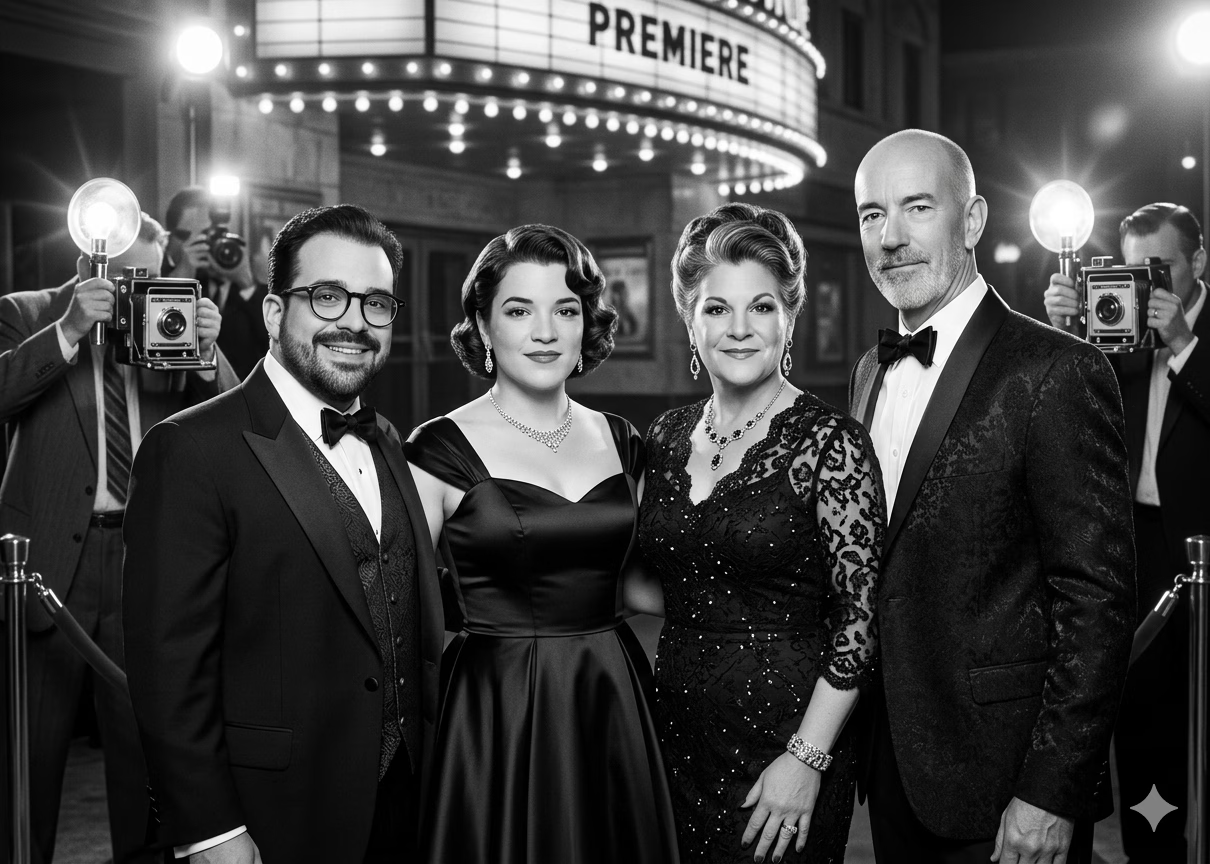
The appeal is clear. A strong activation gives attendees a reason to stop, creates a natural conversation starter for booth staff, and produces personalized content that can extend your brand presence beyond the floor. Still, an AI photo booth is not automatically a lead generation solution. Its results depend on how well you plan capacity, consent, staffing, brand controls, and follow up.
TL;DR
An AI photo booth works best when you treat it as a complete trade show activation, not a novelty. Match the format to your audience, plan for queues, separate image delivery consent from marketing consent, build offline fallbacks, and measure qualified conversations rather than total photos alone.
Table Of Contents
• Choose The Right AI Photo Booth Format
• Design A Branded Experience That Supports Conversations
• Plan Throughput, Staffing, And Event Recovery
• Protect Privacy, Brand Safety, And Accessibility
• Measure Trade Show Value Beyond Photo Counts
• Frequently Asked Questions And Conclusion
Choose The Right AI Photo Booth Format
An AI photo booth combines a camera, lighting, image processing software, and a delivery workflow. A visitor takes a photo, selects or is assigned an approved visual direction, and receives a transformed image through a screen, QR code, email, text message, or download page.
The technical experience can feel simple. The strategic decision is not. Before selecting styles, decide what the booth must accomplish: attention, appointment setting, content creation, hiring support, product education, or lead capture.
Compare AI Transformations, Headshots, And Classic Photos
Each format creates a different exchange between your brand and the attendee.
Format | Best For | Strength | Trade Off |
|---|---|---|---|
AI transformations | Product launches, entertainment, consumer campaigns | High visual novelty and strong campaign storytelling | May attract visitors with low purchase intent |
AI headshot station | B2B events, recruiting, professional services | Clear personal value for attendees | Needs a more polished, business appropriate experience |
Conventional photo booth | Broad audiences and simple branded keepsakes | Predictable operation and familiar workflow | Less differentiation when nearby booths offer interactive technology |
Green screen or augmented reality booth | Product demonstrations and immersive environments | Can place attendees in campaign scenes or virtual settings | Requires careful visual design and lighting control |
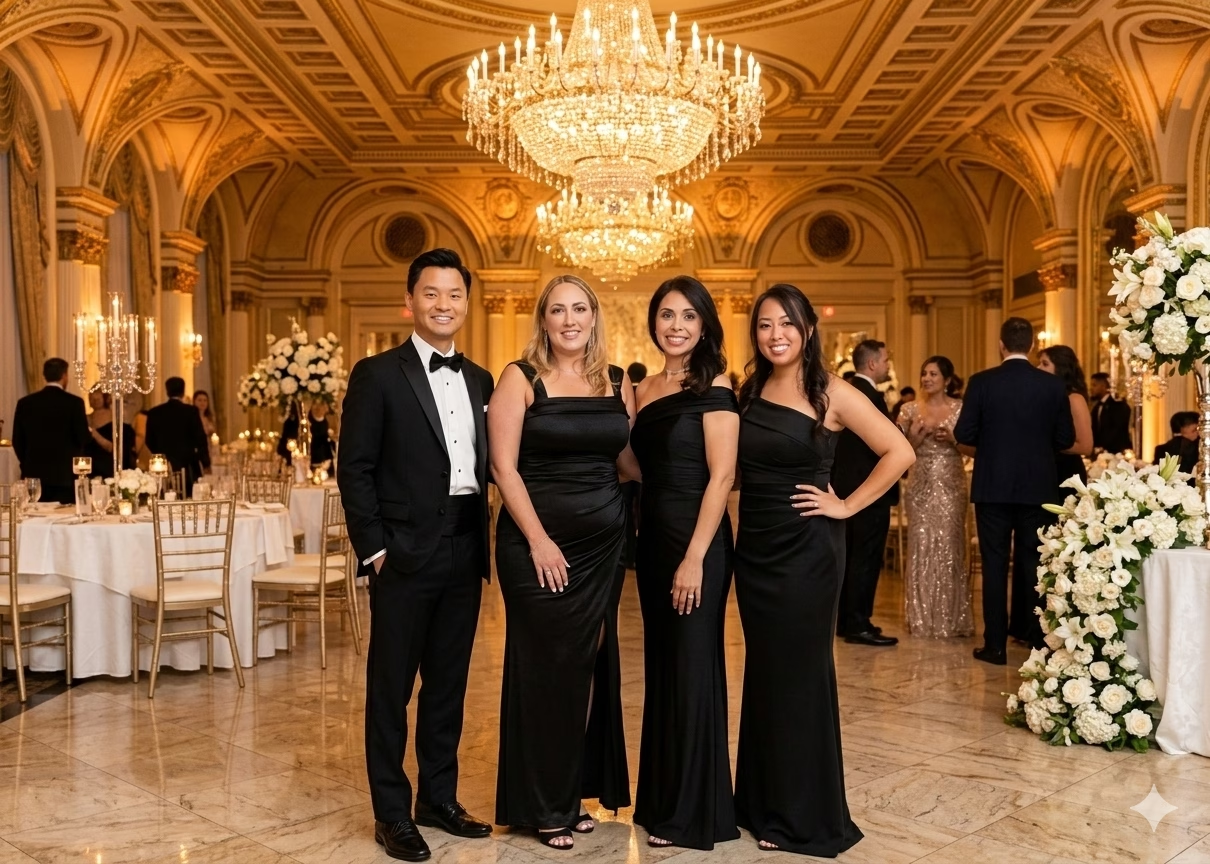
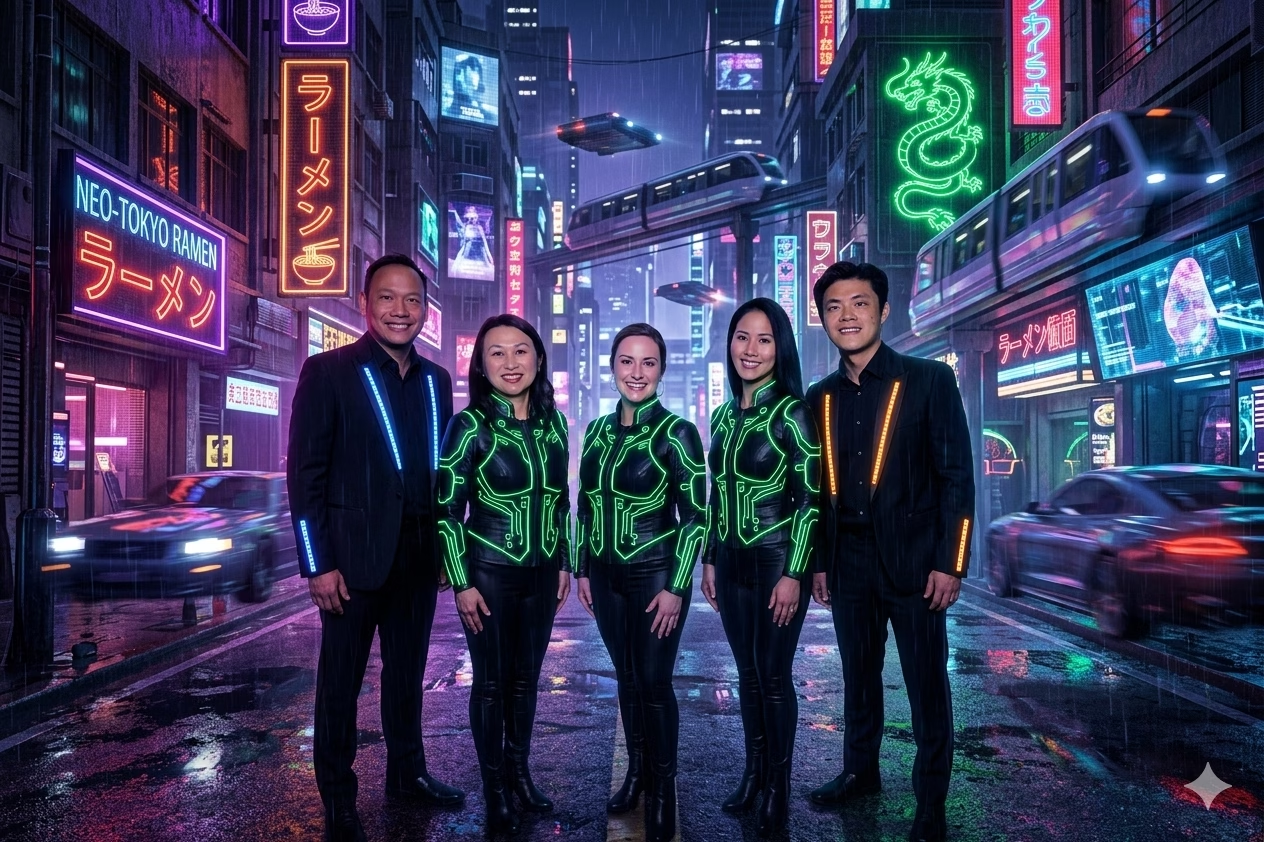
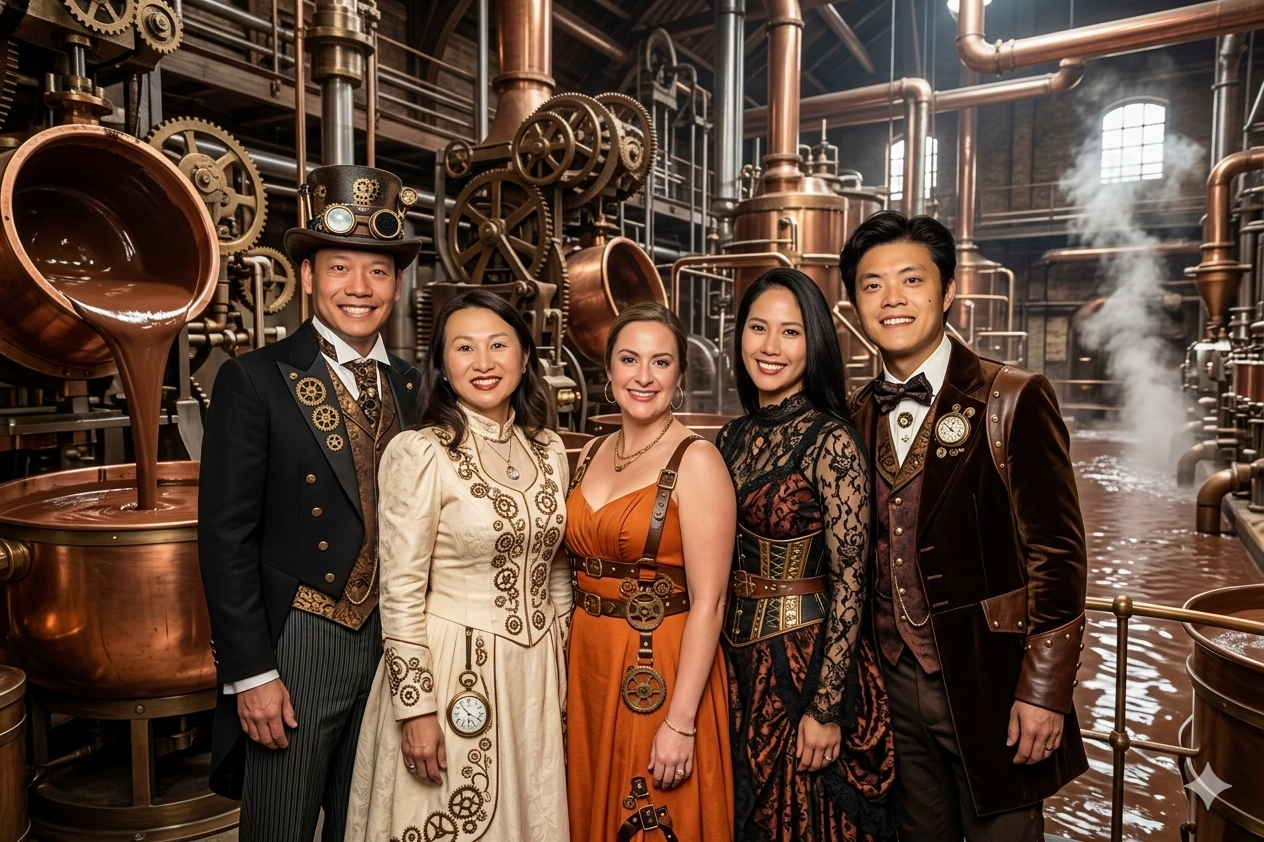
For example, a software company selling to operations leaders may get more meaningful conversations from professional portraits with subtle brand framing. A consumer brand unveiling a new product may benefit more from cinematic AI scenes, virtual props, or augmented reality effects that make the product part of the image.
A format that transforms guest photos into customized artwork for events including trade shows. That is a useful baseline description, but your choice should begin with your exhibit objective rather than the available effects.
Decide Whether You Need Reach Or Lead Quality
More scans do not necessarily mean more qualified leads. A booth that offers a fast giveaway can create high traffic, while a booth built around consultation may produce fewer interactions but more relevant follow ups.
Use this decision guide:
• Choose a low friction AI transformation when your priority is broad awareness, social content, or a busy product launch.
• Choose an AI headshot experience when attendees are likely to value a polished professional asset and your team can begin a business conversation while images render.
• Add qualification questions only when your sales team has a genuine use for the answers. Asking too much too soon can slow the line and reduce participation.
• Avoid mandatory marketing opt in as the price of receiving an image. It can damage trust and create a list of contacts with weak intent.
For planners evaluating local logistics, the Photo Booth Rental Orange County Trade Show Guide can help frame the practical questions around exhibit space, staffing, and rental planning.
Treat Vendor Speed Claims As Inputs, Not Guarantees
Fair warning: a promise of sub minute generation does not mean every attendee completes the experience in a minute. Photo capture, retakes, style selection, delivery steps, and questions from the next person in line all add time. That difference matters when your booth is busy.
Design A Branded Experience That Supports Conversations
The best AI photo booth experience gives attendees a memorable outcome while giving your staff a natural reason to start the right conversation. It should feel connected to your brand, not like a generic attraction with a logo added at the end.
Build The Experience Around One Clear Campaign Idea
Start with a campaign concept that an attendee can understand in a few seconds. If your product helps teams work faster, the image concept might show the visitor as a futuristic problem solver. If your launch centers on travel, the scene could place them in a branded destination environment. The visual should reinforce the message without requiring a long explanation.
A well planned configuration can include:
• A branded welcome screen and call to action
• Approved AI styles aligned with campaign colors and tone
• Virtual props that relate to the product instead of random visual clutter
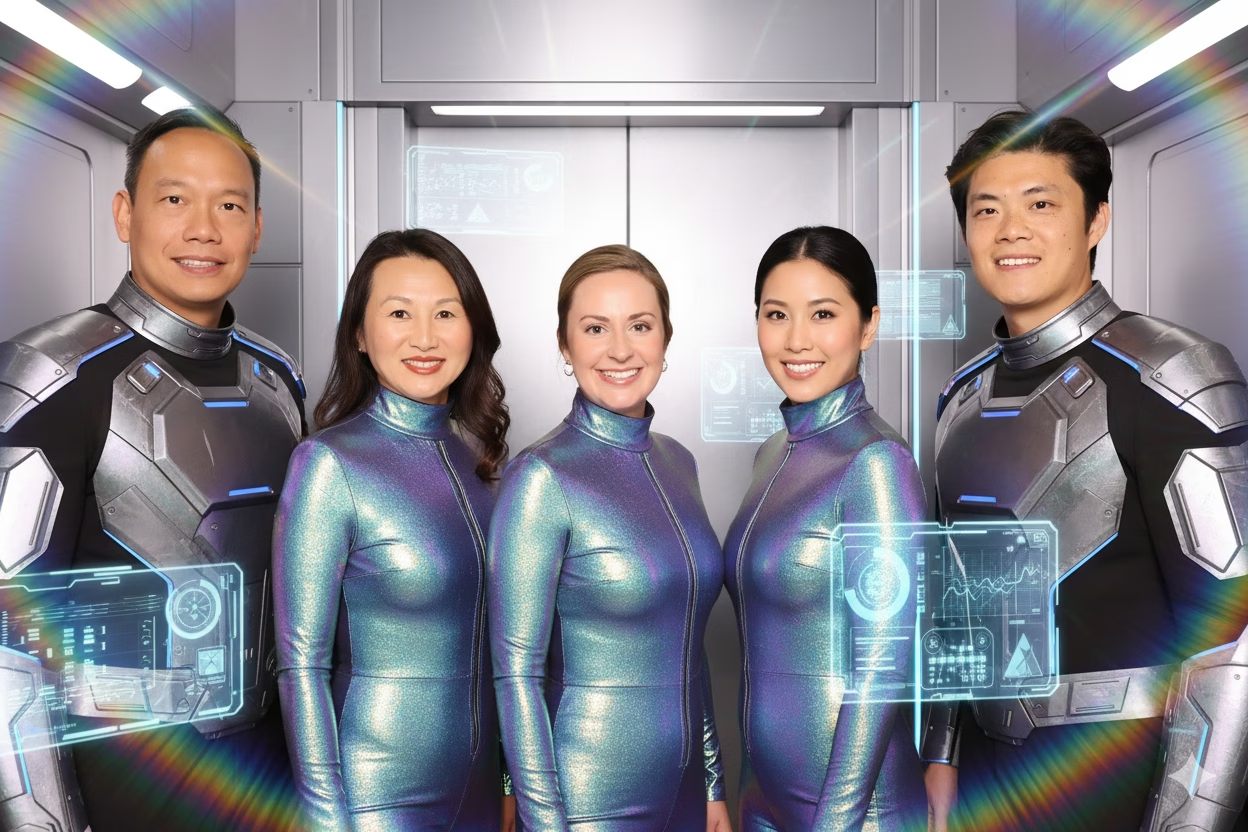
• Green screen technology or augmented reality scenes for immersive product storytelling
• A branded delivery page with a next step, such as booking a demo or viewing product information
• A physical booth exterior that helps visitors identify the experience from the aisle
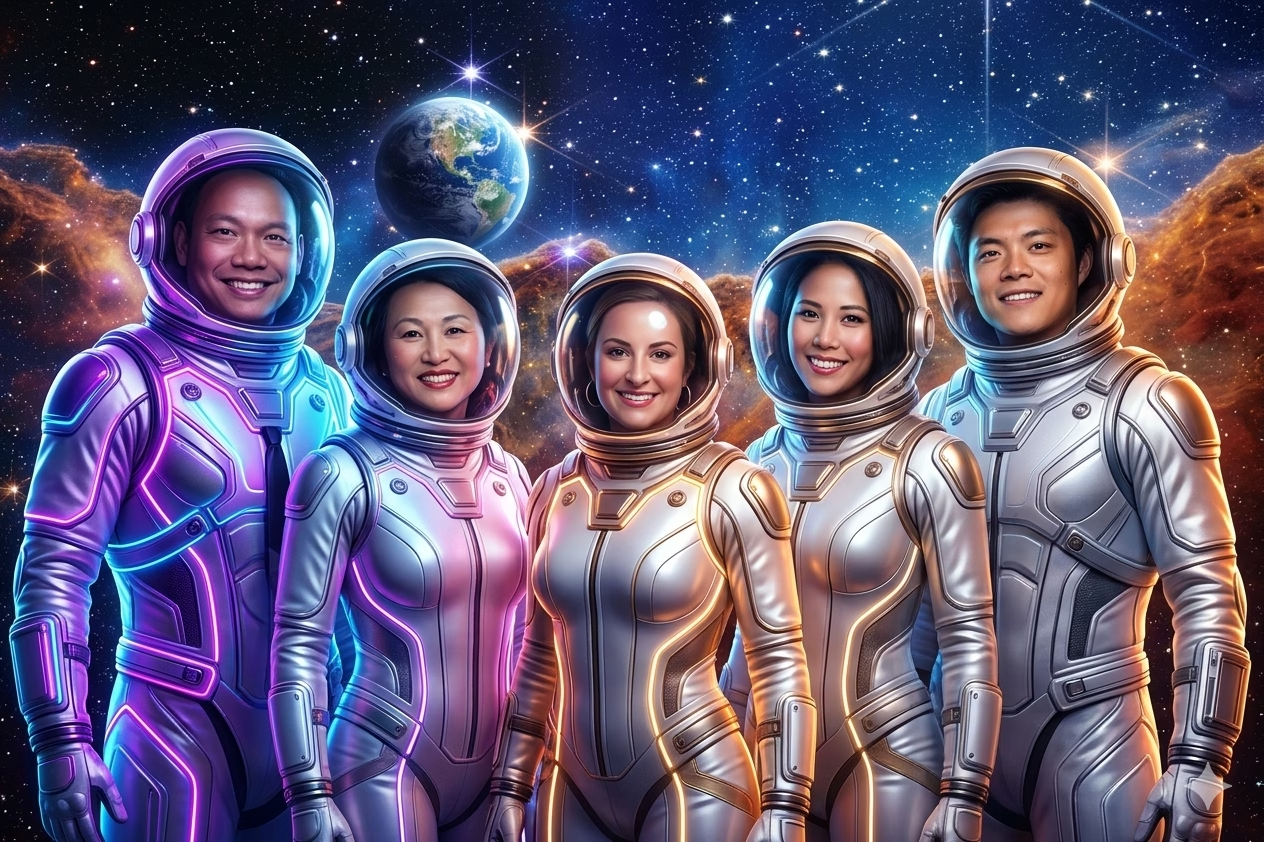
The important word is _personalized_. A personalized output has more perceived value than a stock giveaway, but only if the attendee still recognizes the connection between their image and your brand.
Use The Render Window Productively
The generation period is often the most useful moment in the activation. Rather than leave attendees staring at a loading screen, build a short engagement sequence.
- A booth host confirms the attendee’s preferred style and explains the output.
- A brand representative asks one relevant question, such as what challenge brought the attendee to the show.
- The attendee sees a brief product animation, campaign message, or optional demo preview.
- The generated image appears, followed by a choice to download, share, or continue the conversation.
This approach makes the photo booth part of the exhibit journey. It also avoids an awkward handoff where a visitor takes an image and immediately walks away.
Keep The Experience Fast At The Front End
Creative choice can be engaging, but too many options can slow the queue. Limit the public facing menu to a small set of clearly different looks. You can still offer deep customization behind the scenes through approved prompts, templates, graphic overlays, and campaign specific background rules.
For additional activation concepts, Corporate Booth Activation Pasadena Trade Show Photo Ideas offers useful ways to connect image moments with exhibit storytelling rather than treating photos as a separate attraction.
Plan Throughput, Staffing, And Event Recovery
Capacity planning is where many trade show photo booth decisions become real. If the experience attracts a crowd but the line moves slowly, guests may leave before participating. Queue abandonment is not just an operations issue. It changes how attendees perceive your brand.
Calculate A Realistic Hourly Capacity
Use a simple planning model:
Completed experiences per hour = 60 ÷ average total minutes per attendee × number of active capture stations
If one attendee takes an average of three minutes from greeting through delivery, one station can theoretically complete about 20 experiences per hour. With two active stations, the theoretical total is about 40. Real conditions will be lower when visitors need retakes, stop to ask questions, or arrive in groups.
Planning Variable | What To Measure | Operational Effect |
|---|---|---|
Capture time | Greeting, posing, retakes | Longer capture time reduces line speed |
Generation time | Time from submission to output | Long renders can create crowding near the screen |
Delivery time | QR scan, email entry, text confirmation | Complex forms reduce throughput |
Group behavior | One person versus pairs or teams | Group photos may require more setup and review |
Number of stations | Simultaneous active cameras | Additional stations can relieve peak demand |
Queue tolerance | How long attendees will wait | Determines when you need a host or alternate line activity |
Consider a two hour product launch rush. If you expect 120 interested visitors but one station realistically handles 15 to 18 completed experiences an hour, the activation may only serve 30 to 36 people. That can be acceptable if exclusivity is intentional. It is a problem if the goal is broad participation. A second station, a simplified flow, or a separate self service delivery process may be the better choice.
Staff For Hospitality And Troubleshooting
A polished activation usually needs more than one person during busy periods. One staff member can greet and manage the queue. Another can assist at the camera, help with accessibility needs, and resolve delivery issues. Your own booth staff should be available for business conversations rather than trying to operate equipment while qualifying leads.
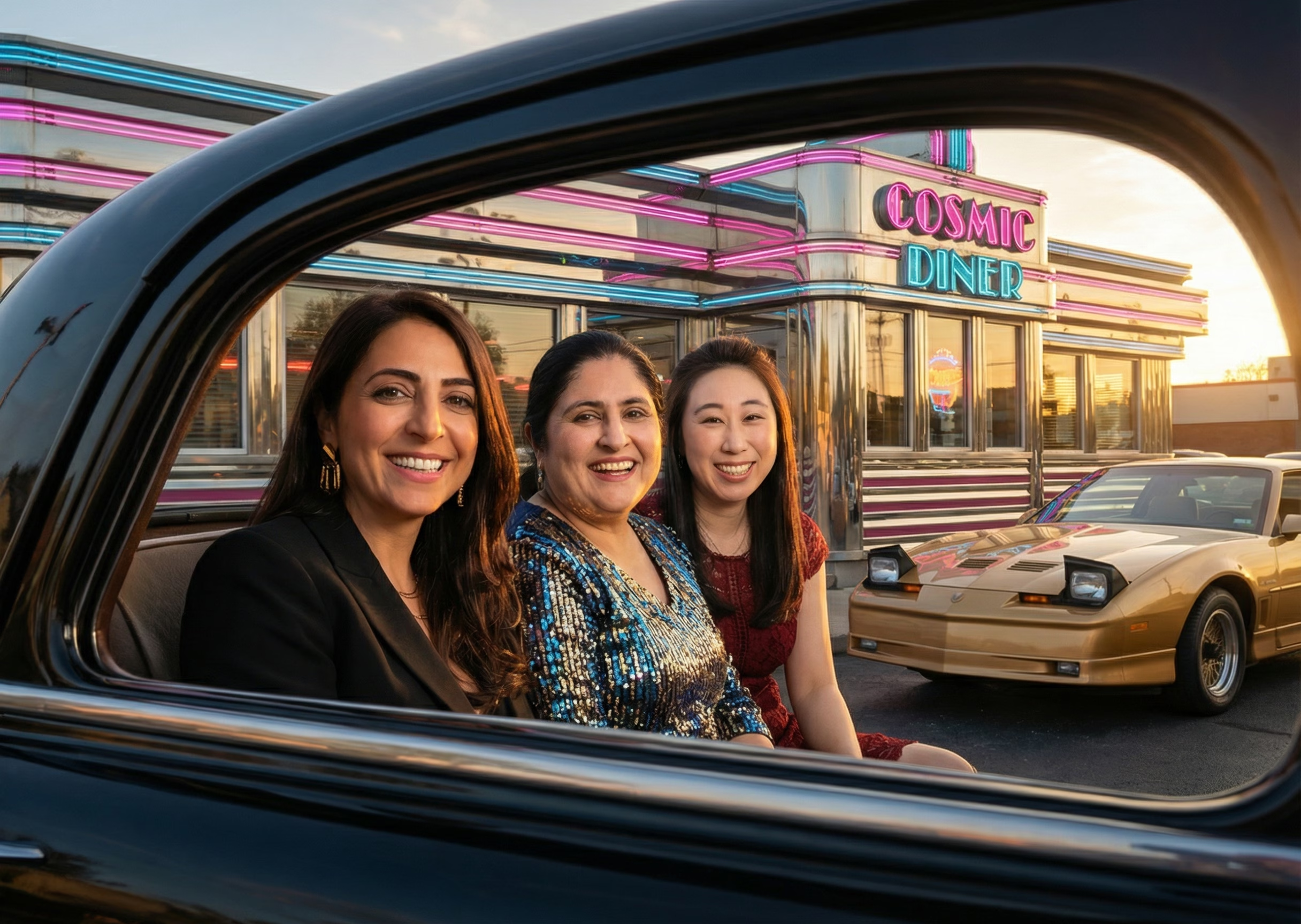
Abranded booth exterior, on site event management, and instant photo generation. Those elements are useful evaluation categories for any quote, even though exact inclusions vary by provider.
Ask every provider to itemize:
• Hardware, lighting, display, and physical footprint
• Creative development, style testing, overlays, and branded interface design
• On site staffing hours, travel, installation, and teardown
• Connectivity requirements and backup options
• Image generation limits or usage based fees
• Data delivery, storage, deletion, and post event export options
Build A Fallback Workflow Before The Doors Open
An AI photo booth can fail in ordinary ways: a venue connection drops, a camera loses focus, a model service slows down, or a QR code is difficult to scan under exhibit hall lighting. A practical contingency plan protects the attendee experience.
Use a tiered fallback:
- Primary experience: AI generated output with normal digital delivery.
- Secondary experience: Standard branded photo or green screen image if AI processing is delayed.
- Manual recovery: Staff record a delivery request and send the image later, with clear expectations.
- Service recovery: Offer a small branded takeaway or a return invitation if an attendee cannot complete the experience.
Test unusual conditions, not only the ideal demo. Check glasses glare, hats, masks, mobility devices, wheelchairs, group images, low contrast clothing, and different heights. These details influence whether the experience feels welcoming or frustrating.
Protect Privacy, Brand Safety, And Accessibility
An attendee’s photo is personal data. The generated image may also create expectations about how their likeness is stored, reused, or shared. Your experience should make choices clear before the camera captures an image.
Separate Image Delivery Consent From Marketing Consent
A visitor may reasonably agree to receive their own image without agreeing to ongoing promotional email. These are different permissions and should be presented separately.
Your flow should state, in plain language:
• What information is collected
• Why it is collected
• How the image will be delivered
• Whether marketing messages are optional
• How long images and contact data will be retained
• How attendees can request deletion or ask questions
A QR based delivery option can reduce friction for attendees who do not want to share an email address. If your sales objective requires contact details, explain the value exchange honestly and make the marketing choice optional where appropriate.
Establish Prompt And Style Governance
Brand safety begins before the show. Approve every selectable style, background, product depiction, and text element in advance. Do not rely on a vague instruction like “make it on brand.” Define what is allowed and what is prohibited.
A useful review process includes:
• Approved reference images, colors, logo treatments, and campaign terms
• Prohibited imagery, sensitive subjects, competitor references, and misleading product claims
• Rules for group images and ambiguous facial recognition results
• A human escalation path if a generated result is inappropriate or inaccurate
• A decision on whether all images require review before public display
For a regulated industry, this matters even more. A healthcare, finance, or legal brand may prefer restrained headshots and controlled virtual backgrounds over open ended fantasy transformations. The right format is the one that supports your campaign without creating approval risk.
Make Participation Accessible
Accessibility should be part of the activation design, not a last minute accommodation. Keep camera height adjustable where possible. Provide a staffed option for attendees who cannot use a touchscreen. Use readable type, clear contrast, simple instructions, and enough space for mobility devices.
Also consider sensory comfort. Flashing effects, loud countdowns, and crowded waiting zones can discourage participation. A calm assisted pathway may serve fewer people per hour, but it can make the experience more equitable and more professional.
For an AI focused trade show concept that can be adapted to brand events, see AI Photo Booth Pasadena for Trade Shows and Brand Events.
Measure Trade Show Value Beyond Photo Counts
Photo volume is easy to report. It is rarely enough to justify the activation by itself. A useful measurement plan distinguishes attention from engagement and engagement from sales relevance.
Define Success Before You Build The Booth
Set a baseline using previous event data when available. Then choose a small set of metrics that match the campaign goal.
Goal | Primary Metric | Supporting Metric | What To Avoid |
|---|---|---|---|
Brand awareness | Completed experiences | Shares, QR scans, dwell time | Treating impressions as sales intent |
Lead generation | Consented contacts | Qualified lead rate, meetings booked | Counting every image recipient as a lead |
Product launch interest | Product conversations | Demo requests, return visits | Measuring only booth traffic |
Recruiting | Headshot completions | Candidate conversations, applications | Assuming a headshot equals candidate fit |
A qualified lead needs a definition. For example, your team may decide that a qualified visitor works in a target role, has a relevant use case, and agrees to a follow up conversation. That is more meaningful than a raw email capture total.
If possible, compare similar exhibit periods. You might track engagement during an AI photo booth window and compare it with a period when the booth is inactive or when staff use a different attraction. This will not create perfect scientific proof because trade show traffic changes throughout the day, but it can reveal useful patterns.
Key Takeaways
• Select AI transformations for broad campaign attention and AI headshots for practical professional value.
• Model total interaction time, not only image rendering time, before choosing one or multiple stations.
• Keep the public flow simple, then use the render period for a relevant brand conversation.
• Separate image delivery permission from marketing consent to build trust and improve data quality.
• Require approved styles, moderation rules, and a non AI fallback before the exhibit hall opens.
• Measure qualified conversations, scheduled meetings, and follow up outcomes alongside photo completions.
Frequently Asked Questions And Conclusion
What Is An AI Photo Booth For Trade Shows?
It is a branded camera experience that uses AI image processing to transform attendee photos into customized portraits, campaign scenes, virtual prop images, or professional headshots. The output is typically delivered digitally and can be connected to a booth engagement or lead capture workflow.
How Many Attendees Can An AI Photo Booth Serve Per Hour?
There is no reliable industry wide benchmark. Calculate capacity from the complete attendee journey: greeting, capture, retakes, style selection, rendering, and delivery. One three minute journey equals a theoretical 20 completed experiences per hour per station, before real world delays. Test your exact setup during rehearsal.
Should You Use AI Transformations Or AI Headshots?
Choose AI transformations when you need visual attention, social content, or a memorable product launch moment. Choose AI headshots when your audience is likely to value a professional asset and your brand benefits from a more polished tone. You can use both only if the menu stays simple and the activation has sufficient capacity.
Can Attendees Receive Images Without Giving An Email Address?
Yes. QR download pages, text message delivery, or on screen access can reduce friction. If you use email collection, explain whether it is needed for delivery, marketing, or both. Do not imply that an attendee has agreed to promotional messages merely because they requested their image.
What Happens If Venue Wi Fi Fails?
Your provider should have a tested fallback workflow. Options may include wired internet, cellular backup, local capture with delayed delivery, or a standard branded photo mode. Ask how the system behaves during an outage rather than assuming “instant” generation will always be available.
Can An AI Photo Booth Handle Groups, Glasses, Hats, Or Difficult Lighting?
Sometimes, but results depend on the camera, lighting, image model, style rules, and the number of faces. Test the exact scenarios you expect at the show. If group images are important, request a dedicated group workflow rather than assuming a solo portrait setup will perform equally well.
How Can You Tell Whether The Activation Produced Qualified Leads?
Create a lead definition before the event, train staff to apply it consistently, and track outcomes such as meaningful conversations, demo requests, scheduled meetings, and post event responses. Total photo count is an engagement metric, not proof of sales value.
Conclusion
An AI photo booth can give your trade show booth a visible, personalized reason for attendees to stop. Its strongest value comes from disciplined planning: select the right format, make the brand story obvious, plan for real queue behavior, protect attendee choice, and measure the conversations that follow.
If you are evaluating an immersive AI photo booth experience for a product launch, local event, or Orange County trade show, build the activation around the business result you need most. The photo is the draw. The well designed attendee journey is what makes it useful.
Ultimately, integrating an AI Photo Booth for Trade Shows requires balancing technical innovation with human connection. When you deploy an AI Photo Booth for Trade Shows, prioritize the attendee journey, as an AI Photo Booth for Trade Shows is only as effective as the conversations it fosters. While an AI Photo Booth for Trade Shows generates buzz, an AI Photo Booth for Trade Shows must also align with your specific sales goals. A well-planned AI Photo Booth for Trade Shows serves as a bridge, whereas a poorly executed AI Photo Booth for Trade Shows acts as a distraction. By treating your AI Photo Booth for Trade Shows as a strategic asset, you ensure your AI Photo Booth for Trade Shows delivers measurable ROI. Whether you choose an AI Photo Booth for Trade Shows for lead capture or brand awareness, remember that an AI Photo Booth for Trade Shows thrives on seamless execution. As you refine your strategy, view the AI Photo Booth for Trade Shows as a long-term investment. An AI Photo Booth for Trade Shows can elevate your booth, provided the AI Photo Booth for Trade Shows remains focused on your audience. Ultimately, the right AI Photo Booth for Trade Shows transforms passive visitors into active brand advocates. Choose your AI Photo Booth for Trade Shows wisely, and let your AI Photo Booth for Trade Shows define your next successful event.
When implementing new technology, ensure your brand remains compliant with federal guidance on AI tools and truth in advertising to maintain consumer trust.