Real-Time AI Digital Art Lab for Silicon Beach Events
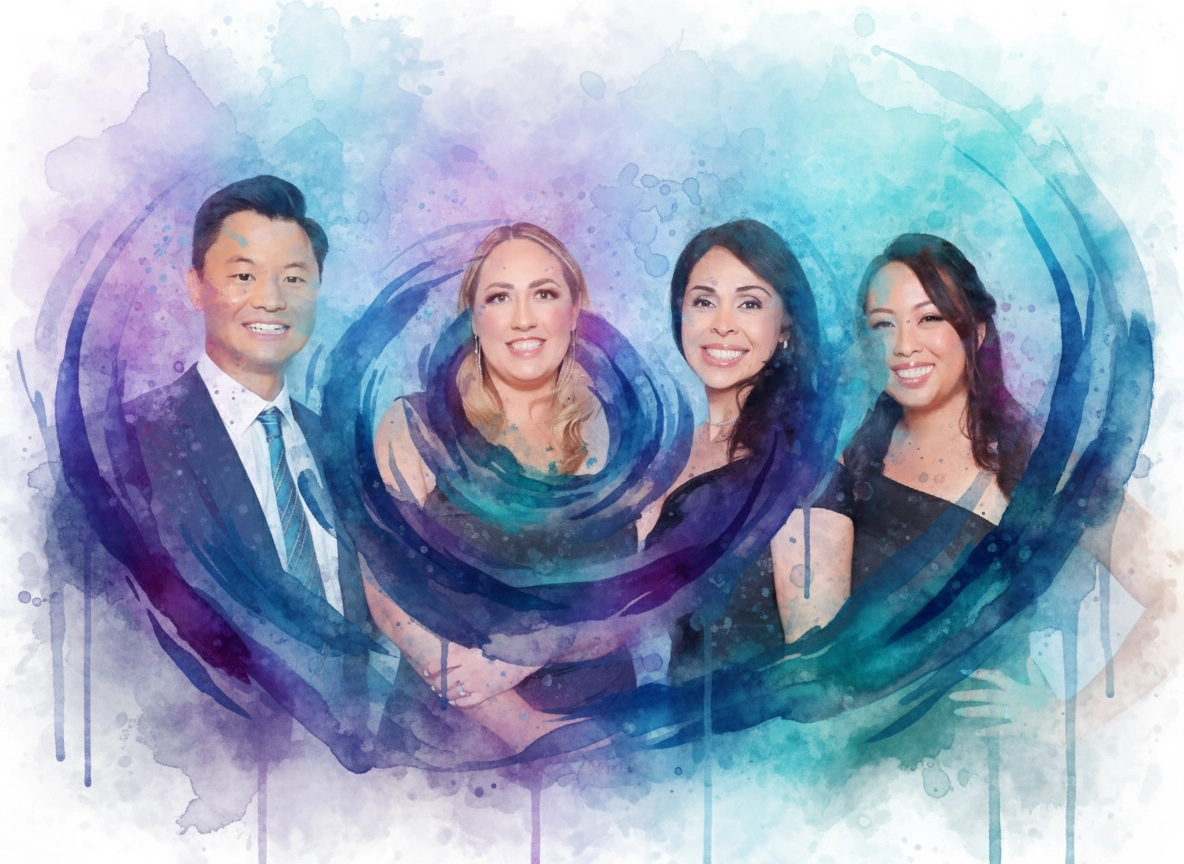
Silicon Beach runs on demos. Companies across Santa Monica, Venice, Playa Vista, and Culver City show their work in public constantly, and the audiences who show up expect to interact with technology rather than watch it from a distance. A real-time AI digital art lab matches that expectation. Guests step into a capture zone, a model turns them into finished artwork in seconds, and the result appears on a screen the whole room can see. The activation works as a photo experience, an installation, and a branded content source at the same time.
Planning one is mostly logistics. Capture hardware, generation speed, display size, power, network, staffing, and guest flow all have to line up before the first guest walks up. This breakdown covers what the format does well, how to place it in a room, and what to confirm with a vendor before you sign anything.
What a Real-Time AI Digital Art Lab Actually Is
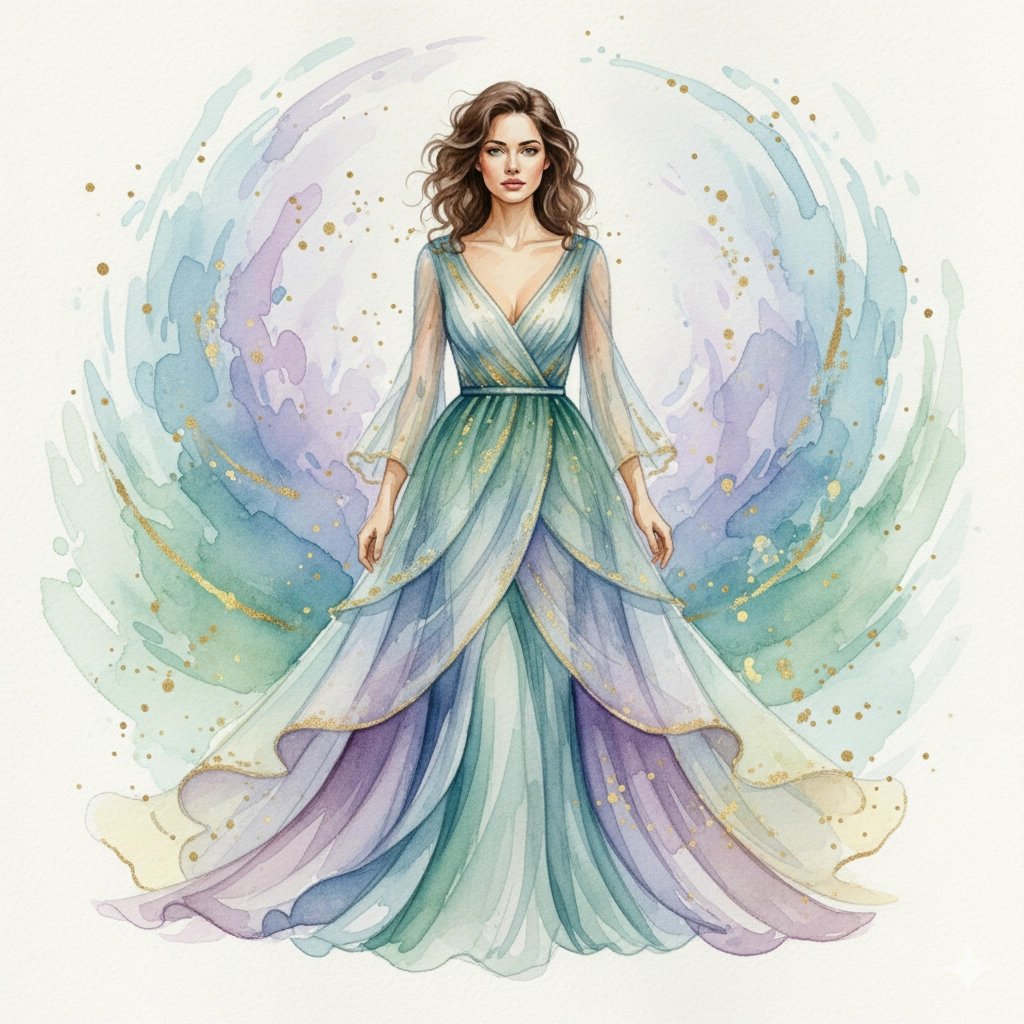
An AI digital art lab is a live station where guests are photographed or scanned, their image is processed by a generative model, and a stylized result is produced while they wait. The styling can lean toward painted portraits, comic illustration, watercolor, sketch, or a custom look built around a brand identity. The keyword in the format is real time. If a guest has to walk away and come back later for a print, the activation stops feeling like a lab and starts feeling like a queue with extra steps.
Most builds run in three layers. A capture layer handles the image or video input. A generation layer runs the model, either on local hardware or through a cloud endpoint. A display and delivery layer handles the large screen, the print station, and the digital handoff by text, email, or QR code. Each layer has its own failure points, and each one needs a fallback for the moment it slows down.
Capture
Capture is where guests form their first impression. A fixed camera station with guided framing keeps lines moving because guests know exactly where to stand. Handheld capture reads as more casual and suits roaming moments during a reception, but it slows throughput and usually needs a second operator. Many builds add a preview monitor so guests can check their pose before the shot is taken, which cuts retakes and keeps the queue calm.
Generation
Generation separates a strong activation from a gimmick. A model that returns a result in a few seconds keeps the crowd watching the screen. A model that takes a minute clears the area around the display and pushes guests toward the bar. Prompt styling, model choice, and compute location all affect that timing, and the responsible approach is to test the full path on site before doors open rather than trusting a demo run on a different network.
Display and Delivery
The display is the shareable moment. Large-format screens turn individual portraits into a room-wide event and give waiting guests something to watch while they hold their place in line. Delivery matters just as much, whether that means a text, an email, a QR code, or a printed keepsake. Confirm which formats the vendor supports and whether guests can opt out of the digital handoff, since privacy questions surface quickly at corporate events.
Why the Format Fits Silicon Beach Audiences
Technical crowds ask technical questions. Guests at a product launch or a venture dinner want to know which model is running, how the styling works, and whether their image is stored. A lab answers those questions in public instead of hiding behind a curtain, and that transparency reads as confidence. It also gives a host something to talk about during the quiet stretch before a keynote or a toast.
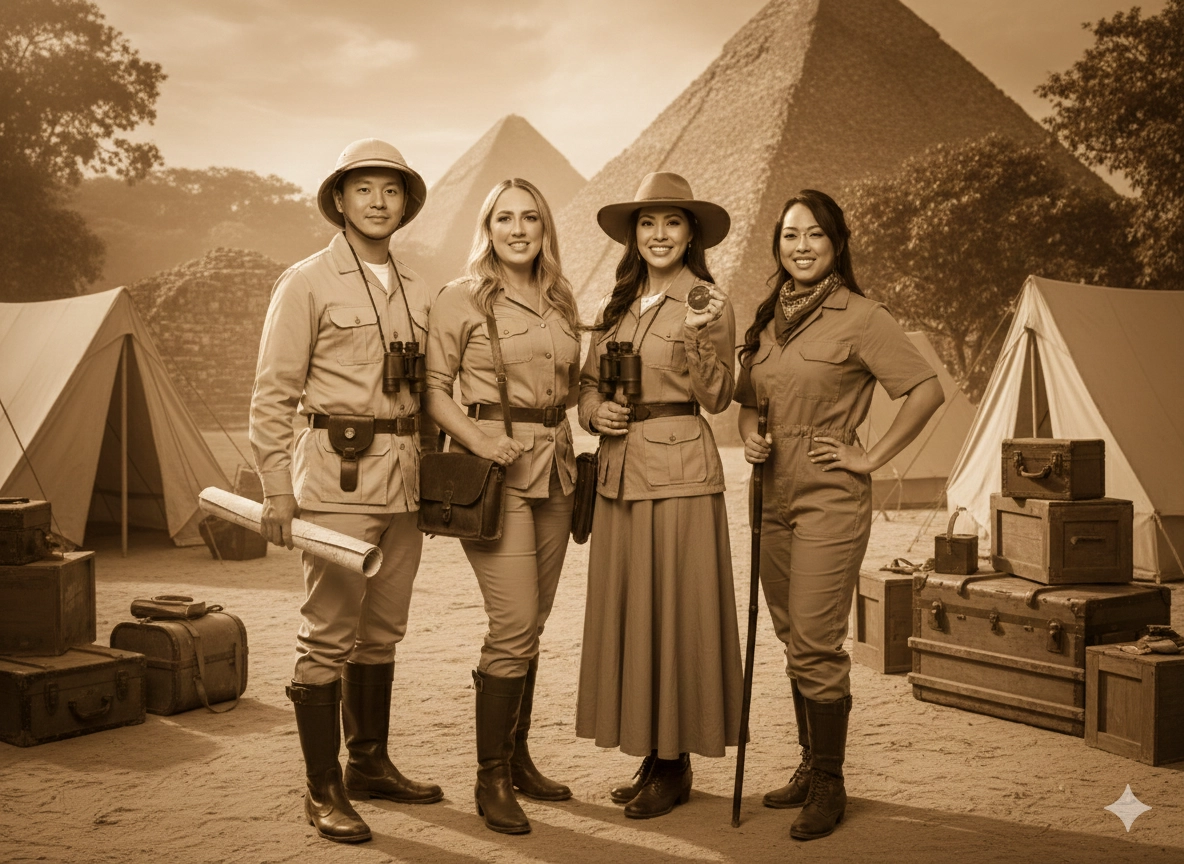
The format also scales across event types. Recruiting events use it to seed social posts. Product launches use it to render guests inside a product aesthetic. Executive summits use it as a networking anchor because the station naturally holds people in one area. Private celebrations in Bel Air, Malibu, Pacific Palisades, or Beverly Hills use it as a high-tech alternative to a conventional photo booth that still produces a keepsake.
Space, Power, and Connectivity Planning
Venue constraints decide more of the outcome than the software does. Before you commit to a footprint, walk the room with the vendor and confirm the items below. Exact requirements vary by build, so treat this as a conversation guide rather than a fixed specification, and get the final numbers in writing from the company you book.
Planning area | What to confirm |
|---|---|
Footprint and sightlines | Where the capture station sits relative to the display, and whether guests in line block a walkway, a bar, or a stage view. |
Power | Whether the venue provides dedicated circuits near the station and whether the vendor brings cable ramps and backup power. |
Network | Whether generation runs in the cloud or on local hardware, and what the fallback is if connectivity drops during the event. |
Ambient light | Whether the venue’s lighting design supports clean capture, and whether a lighting fixture is part of the build. |
Sound | Whether the station needs audio to signal the reveal, and how that mixes with a DJ or a presenter on the main system. |
Staffing | How many attendants run the activation, who manages the queue, and who troubleshoots a failed render mid-event. |
Load-in window | When the crew can access the room, and whether setup fits inside the venue’s contracted access hours. |
Venue rules on load-in, insurance, and vendor access differ widely across Los Angeles and Orange County. Confirm those details with the venue coordinator directly, and ask the vendor for a certificate of insurance before the event week begins.
Brand Integration That Does Not Feel Like an Advertisement
Branding works best when it lives in the styling and the frame rather than across the guest’s face. A model tuned toward brand colors, a designed matte around the portrait, and a delivery asset with a restrained logo all read as intentional design. A large logo slapped across the center of a portrait reads as an ad and guests tend not to share it.
Custom prompts and style references
Ask the vendor how much control you have over the visual language. Some builds support custom prompt sets, style references, and multiple output looks so guests can choose between, for example, a painted portrait and a sketch. Others ship with a fixed set of styles. Either can work, but the decision should be made weeks ahead of the event, not on site.
Frames, overlays, and delivery assets
The frame is the most visible piece of brand real estate in the entire activation. Treat it like a designed element with real typography and spacing instead of an afterthought. On the delivery side, confirm the file format, the resolution, and whether the digital asset arrives with the frame included. Ask to review sample outputs from a previous event before you approve the final look.
Guest Flow and Throughput
Every activation competes with the bar, the food, and the dance floor. A lab holds attention when the wait feels short and the payoff feels visible. Position the display so people standing in line can see other guests’ results, and keep a clear path so the line never blocks a main aisle. If a queue starts to form, a second attendant who manages greetings and expectations often does more for throughput than faster hardware.
Timing matters too. Labs run hot right after doors open and again after a keynote or a toast. Staff for those spikes, and consider a quieter window earlier in the evening when you can seat VIPs, sponsors, or press at the station without a crowd watching. Planners running DTLA executive summits and West Hollywood brand activations often schedule a private window during a session block so senior guests get an unhurried turn.
Where Los Angeles AI Art Already Lives
The format is not arriving out of nowhere. Los Angeles already has a visible AI art scene, and planners can point to it when a client asks whether generative work belongs at a corporate event. Dataland, described as a 25,000-square-foot immersive, generative, multisensory AI arts museum, opened in downtown Los Angeles in June 2026, and it tracks visitors’ emotions to help shape the artwork. That kind of public validation makes the concept easier to sell internally.
Elsewhere in the city, a constantly shifting downtown L.A. exhibition has been described as featuring more than 1.5 billion pixels, 300 channels of spatial audio, real-time scent augmentation, and biofeedback technology. In Silicon Valley, the NODE Foundation opened a new space at 180 University Avenue in Palo Alto on January 23, 2026 with an exhibition centered on Larva Labs’ CryptoPunks, and coverage noted a 62 foot by 9 foot LED wall that visualizes activity in real time.
Smaller gatherings keep the energy going as well. The Los Angeles Creative Tech Salon has hosted a free evening of art, sound, and technology on November 6, running 6 to 9 PM at 1330 Factory Place. Oolite Arts runs a Digital Lab with hands-on workshops, live-streamed talks, and open lab sessions. Even the workshop circuit reflects the demand, with sessions such as AI SAFETY LAB in Silicon Valley covering AI safety and how to minimize privacy concerns.
Comparing Activation Formats
Planners usually weigh a lab against the formats they already know. The differences are less about quality and more about what the room needs from the activation.
Format | What guests do | Where it fits best |
|---|---|---|
Real-time AI digital art lab | Pose at a capture station and watch a model generate artwork on a large display. | Brand activations, product launches, executive summits, tech-forward showcases. |
AI photo booth | Pose and receive a stylized digital portrait from a self-contained unit. | Weddings, private parties, and guest lists that mix technical and non-technical crowds. |
Traditional or open air photo booth | Pose with props, print strips, and take away a physical keepsake. | Social celebrations where a printed favor matters most. |
360 photo booth | Stand on a platform while a camera orbits to create a slow-motion video. | High-energy receptions and parties that live on short-form video. |
Some events run two formats in different zones to split traffic. If that is the plan, place them far enough apart that the sound and the crowds do not compete, and give each station its own clear entry point.
Questions to Ask Before You Book
A short list of questions separates vendors who have run this before from vendors who are experimenting on your event.
-
Does generation run locally or through a cloud service, and what happens if the connection drops?
-
How long does one guest cycle take from capture to final output, measured on site?
-
What image or data retention policy applies, and can guests opt out of digital delivery?
-
How many attendants run the station, and who manages the line during peak moments?
-
Can we see sample outputs from a previous event, including the branded frame?
-
What are the power, space, and load-in requirements, and who provides cable management?
-
What is the deposit and rescheduling policy if the venue or date changes?
Frequently Asked Questions
How long does each guest take at a real-time AI art lab?
Plan on a short interaction rather than a full session. Capture usually takes a few seconds, generation depends on the model and where it runs, and delivery is nearly instant for digital formats. The practical number is the one your vendor measures on site during setup. Ask for a timed run with a real guest before doors open so you can size the queue accurately.
Does an AI art lab need a dedicated internet connection?
As a rule, yes, and a dedicated line is the safer choice. Cloud-based generation depends on upload and download stability, and a shared guest network can collapse the moment a room fills. Some vendors run models locally on their own hardware, which reduces network risk but changes the power and space requirements. Confirm which approach your vendor uses and what happens if connectivity drops mid-event.
Can the artwork carry our brand without looking heavy handed?
Yes, if the branding lives in the styling and the frame rather than over the guest. A custom model tuned toward a brand palette, a designed matte around the portrait, and a delivery asset with a restrained logo all read as designed rather than sponsored. Ask to see sample outputs from a previous event before you approve the final look.
Is this different from an AI photo booth?
Related, but scaled differently. An AI photo booth is usually a self-contained unit that produces a stylized portrait for the guest. A digital art lab typically adds a larger display, a visible generation process, and sometimes multiple output styles, which makes it act more like a room centerpiece than a photo stop. Many Southern California vendors offer both, so ask how each version handles guest volume.
How far in advance should we book a lab for a Los Angeles event?
Lead times vary by vendor and by date, and the only reliable answer comes from the company you are considering. Ask directly about availability for your specific date, particularly during peak wedding and corporate seasons in Los Angeles and Orange County, and confirm the deposit and rescheduling terms in writing before you commit to the booking.
Ultimately, an AI Digital Art Lab transforms standard event engagement into a high-tech spectacle. By prioritizing speed and transparency, your AI Digital Art Lab will leave a lasting impression on Silicon Beach attendees. When you integrate an AI Digital Art Lab, you provide more than just a photo; you offer a glimpse into the future. Every successful AI Digital Art Lab requires careful coordination, but the payoff is immense. Whether you are hosting a product launch or a gala, an AI Digital Art Lab serves as the perfect anchor. Guests love the AI Digital Art Lab experience because it feels personalized. Plan your next AI Digital Art Lab with precision, ensure your AI Digital Art Lab infrastructure is robust, and watch your AI Digital Art Lab become the highlight of the evening. An AI Digital Art Lab is the future of interactive events.
For those interested in the technical governance behind these tools, the NIST website offers comprehensive resources on artificial intelligence standards.
For those interested in the technical governance of these tools, the NIST resource center provides comprehensive information on emerging generative AI standards.