What Is the Difference Between a Traditional Photo Booth and an AI Photo Booth?
Introduction
What is the difference between a traditional photo booth and an AI photo booth? A traditional photo booth captures a real image and usually delivers it with minimal changes, such as a branded frame or color correction. An AI photo booth uses that photo, or sometimes a separate face image, as input for artificial intelligence that transforms or generates the final result.
That sounds simple, but the practical differences affect nearly every event decision: how long guests wait, whether prints are available, what happens if Wi Fi is weak, how much creative control a brand has, and what consent language should be used when faces are analyzed.
A useful way to compare them is not as “old versus new,” but as two different production pipelines. One is built around fast capture and familiar keepsakes. The other is built around transformation, novelty, and personalized digital content.
Table Of Contents
TL;DR
A traditional photo booth preserves the moment you photographed. An AI photo booth uses the captured image as raw material for a new visual result. Choose traditional for speed, tangible prints, and a simple guest flow. Choose AI when themed transformation, branded storytelling, and digital sharing matter more than immediate output.
The Core Difference: Capture, Processing, And Delivery
A Traditional Booth Primarily Preserves What The Camera Sees
A traditional photo booth is centered on photographic capture. Guests stand in front of a physical backdrop, green screen, or open event space. A camera and studio lighting capture their real expressions, outfits, props, and group pose. The software may crop the image, apply light retouching, add a logo, arrange multiple shots into a strip, or place the photo in a static template.
The important point is that the final image remains a photograph of the real scene. If someone wears a cowboy hat prop, the print shows that actual prop. If four coworkers squeeze into the frame, the output shows those same four people in the same pose.
Traditional booths can still be highly polished. A DSLR or mirrorless camera, controlled lighting, an attractive enclosure, quality paper stock, and a well designed print template can create a premium result. The workflow is simply more direct: capture, review, print or share.
An AI Booth Uses The Photo As An Input, Not Always The Final Output
An AI photo booth often starts with a real camera capture, which is why it can be misleading to assume AI replaces photography altogether. The camera may still be essential for flattering lighting, face positioning, exposure, and image quality.
The difference happens _after_ capture. The camera is the input while artificial intelligence generates and styles the final image. The system may turn a guest into a magazine cover character, place them in a fantasy environment, create a fashion illustration, or generate an entirely new visual scene around their likeness.
For a broader explanation of capabilities and use cases, see What is an AI photo booth?. The category is broad, so buyers should ask exactly what the software does rather than relying on the “AI” label alone.
Filters, Green Screens, And Generative AI Are Not The Same Thing
This is one of the most useful distinctions to make before approving an event concept.
Feature | What It Does | Is It Necessarily Generative AI? | Example Output |
|---|---|---|---|
Static overlay | Adds a fixed graphic layer | No | A photo with a logo frame and event date |
Color filter | Changes tone, contrast, or color | No | Black and white or vintage look |
Green screen | Composites a guest onto a selected background | No | Guest placed in front of a city skyline |
Background replacement | Separates subject from background and inserts a new scene | Sometimes | Guest appears in a digital beach setting |
Face swap | Places a detected face into another image or scene | Often AI assisted | Guest appears as a film character |
Generative styling | Creates a new image based on the guest image and a style direction | Yes | Guest reimagined as a space explorer or painted portrait |
A green screen can be convincing, but it generally follows a fixed compositing rule: remove the green background and insert another file. Generative AI can reinterpret clothing, lighting, scenery, composition, and visual style. That flexibility creates more imaginative output, but it can also create inconsistencies. Hair, hands, accessories, and large group arrangements may not always render as expected.
Lucky Frog draws the key output distinction clearly: traditional booths produce photographs, while AI booths produce AI generated artwork. In reality, some experiences sit between those categories, so ask whether the deliverable is a lightly edited photo, a composite, or a newly generated image.
How The Guest Experience Changes
The Traditional Workflow Is Usually Faster And Easier To Understand
With a traditional booth, guests generally know what to do without instruction: step in, pose, press a screen button, and collect a print. The output closely matches the moment they just experienced, which reduces uncertainty.
That familiar flow matters at high volume events. At a wedding reception, guests may visit between dinner, speeches, and dancing. At a convention, attendees may only have a few minutes. A traditional booth’s predictability can keep the line moving because there is little explanation and little rendering delay.
It also supports a specific emotional payoff: a physical print is handed over almost immediately. For guests who value a scrapbook strip, a signed print, or a tangible favor, that moment is hard to replicate with a digital gallery alone.
AI Adds A Reveal Moment, But It Also Adds Waiting And Variability
An AI experience changes the rhythm. Guests take a photo, choose a theme or are assigned one, then wait for the system to process the transformation. The reveal can feel more like opening a personalized digital collectible than receiving a standard photo.
That can be especially effective when the output is part of the event concept. Imagine a product launch where guests become stylized astronauts exploring a branded planet, or a film themed party where every attendee receives a poster style portrait. The image becomes content, not just documentation.
A few seconds may be acceptable for a controlled activation. It can become a line management problem when dozens of people arrive at once.
If an AI setup relies on cloud rendering, the network becomes part of the guest experience. Weak connectivity can slow delivery, delay sharing, or force a fallback process. Some systems may have local or offline options, but that varies by software, hardware, and selected effect. Confirm the exact plan before the event rather than assuming “AI” means it will work identically everywhere.
Props Become Optional, While Direction And Design Become More Important
Traditional booths often use physical props because props give guests an immediate prompt: hold a sign, wear glasses, pick up a foam microphone, make a face. They are visible, social, and easy to understand in a busy room.
AI booths can reduce the need for physical props because the theme appears digitally. Instead of handing someone a toy sword, the final result can place them in a cinematic fantasy scene. Instead of building an elaborate set, an event can offer several virtual environments.
That does not mean AI eliminates creative planning. It moves creativity upstream into visual direction:
• What should the output communicate about the event or brand?
• Will guests choose among styles, or will every image use one consistent treatment?
• Does the desired style work for couples, families, and large groups?
• Should the AI result look realistic, illustrated, surreal, or intentionally playful?
For a detailed operational explanation, How does an AI photo booth work? can help you map the capture, rendering, and delivery steps before selecting a format.
Privacy And Consent Need More Attention With Face Based Features
Traditional booths also collect personal images, so privacy is relevant in either format. AI workflows can add another layer when software detects faces, uses facial features to generate an image, enables face swaps, or sends images through a cloud based processing system.
There is no single photo booth specific standard that answers every situation. Still, event organizers should be clear about what is captured, whether images are retained, who can access galleries, whether face based processing is involved, and how guests can opt out.
A practical approach is to use simple visible consent language at the booth and in registration materials when appropriate. For example: explain that participating means a photo may be transformed into an AI styled image and shared through the selected delivery method. For a corporate event, ask the provider about deletion timing, gallery access controls, and whether raw images and generated images are treated differently.
Choosing The Right Booth For Your Event
Match The Booth To The Job You Need It To Do
The right choice depends less on novelty and more on the result you need from the interaction.
Event Goal | Better Starting Point | Why | Watch For |
|---|---|---|---|
Fast moving wedding reception | Traditional booth | Familiar flow and immediate keepsakes | Limited visual transformation |
Guest book or physical party favor | Traditional booth | Prints are central to the experience | Print stock and printer capacity |
Brand activation with a themed story | AI booth | Generated scenes can extend the campaign concept | Rendering time and approval of styles |
Trade show lead capture | Either, depending on traffic | Traditional supports speed; AI can create a stronger follow up asset | Queue length and data collection consent |
Social first influencer event | AI booth | Distinctive outputs may encourage digital sharing | Brand safety and output consistency |
Multi generation celebration | Hybrid approach | Prints satisfy traditional expectations while AI offers novelty | Clear guest instructions and budget |
For weddings, traditional is often the safer choice if the priority is fast, flattering photos and prints guests can take home. An AI booth can work well for a themed wedding or a smaller guest count, especially if the couple wants each guest to receive a stylized digital portrait. A hybrid design may be the most practical compromise: capture real photos, offer prints, and make an optional AI transformation available for guests who want it.
For corporate events, AI can be stronger when the output reinforces a specific campaign idea. The key is not merely placing a logo in the corner. A successful branded concept uses the visual treatment itself to express the product or message. If the brand story does not benefit from transformation, a high quality traditional portrait booth with custom branding may be more efficient.
Ask About Prints, Sharing, And Brand Control Before Booking
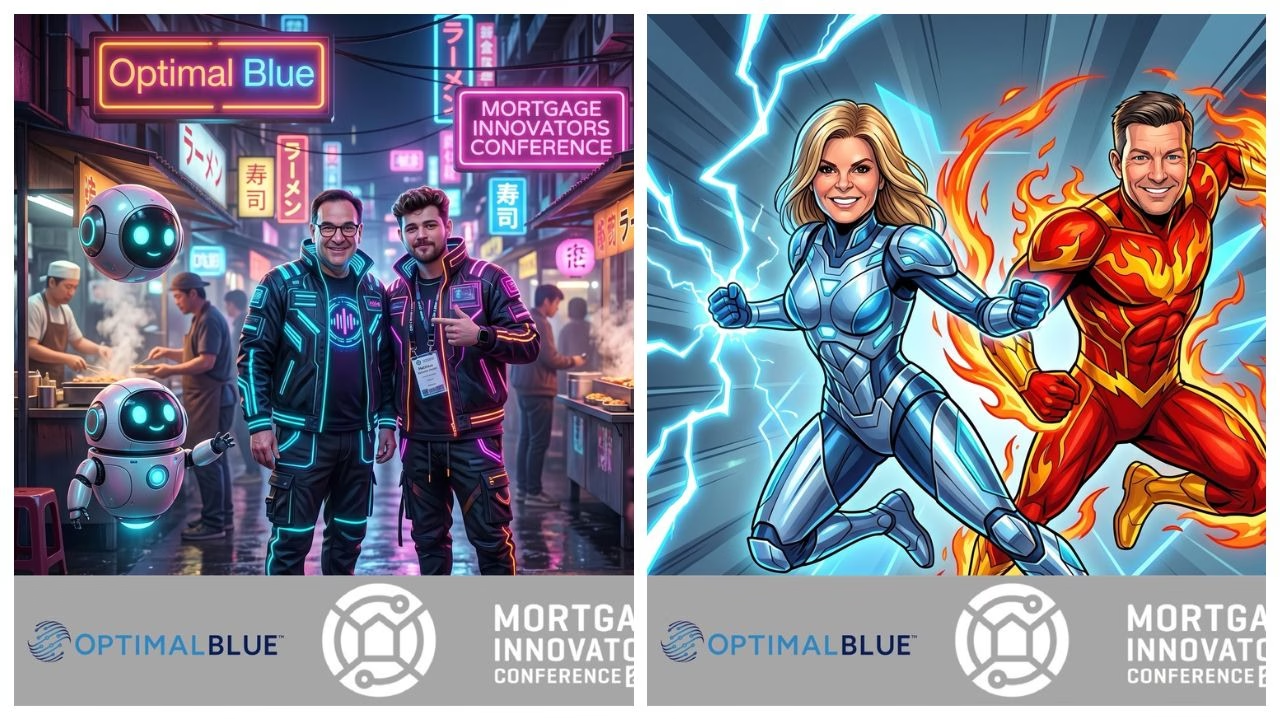
AI does not automatically mean digital only. Some AI photo booth experiences can include on site printing, but printing may happen after the generated image is complete, and the format may be different from a classic photo strip. Confirm whether the printed item is the original photo, the AI output, or both.
Ask these questions in writing:
- What does each guest receive: original photo, AI image, print, digital gallery, QR code, SMS, email, or a combination?
- How many AI styles are available, and can guests choose among them?
- Can you approve sample outputs before the event?
- Who controls logos, colors, prompts, background assets, and final templates?
- Are the raw captures retained, and for how long?
- What is the fallback if rendering slows down or internet access fails?
Provider descriptions commonly note that AI adds rendering after capture while traditional booths follow a simpler capture and print sequence.
Budget For The Workflow, Not Just The Booth Name
There is no reliable one price answer for an AI photo booth rental in Huntington Beach or Orange County. Rental cost can vary based on event duration, staffing, custom artwork, number of AI styles, printing, delivery logistics, travel distance, venue access, internet requirements, and whether the event needs a custom branded experience.
AI options may cost more when they require custom visual development, additional software configuration, cloud processing, or dedicated on site management. Traditional booths can also rise in price when you add premium printing, custom fabrication, elaborate backdrops, extended hours, or high volume staffing.
Travel or delivery fees are also not universal. A venue may create additional labor needs because of loading restrictions, parking, stairs, long walks from the loading dock, early access requirements, or late night breakdown. Request an itemized quote that separates rental time, custom design, prints, attendant coverage, travel, and venue related costs.
For local planning questions about packages, logistics, and event requirements, use this AI photo booth rental planning guide.
Key Takeaways
• Traditional booths prioritize fidelity. Guests receive a polished version of the photo they actually took.
• AI booths prioritize transformation. The guest photo is often the starting point for a generated scene, character, or artwork style.
• Camera quality still matters for AI. Better lighting and capture usually give the AI system better source material.
• Prints are possible with either format. Do not assume an AI booth is digital only; verify the print workflow and output format.
• AI requires more operational planning. Review rendering time, connectivity, style testing, privacy language, and fallback procedures.
• The best choice follows the event objective. Choose a traditional booth for speed and keepsakes; choose AI when the generated image itself is the attraction.
Frequently Asked Questions
Common Questions About Traditional And AI Photo Booths
Does An AI Photo Booth Still Take A Real Picture First?
Usually, yes. Many AI photo booths begin with a real photo captured by a camera. The AI then uses that image to create the final output. The degree of transformation varies: it may preserve the guest’s pose and face closely, or it may generate a more dramatic interpretation.
Are AI Photo Booths Just Filters?
Not necessarily. A filter adjusts an existing photo using preset visual changes. Generative AI can create new scenery, clothing, composition, and artwork around the guest’s likeness. Some vendors use “AI” to describe lighter effects, though, so ask for sample outputs and a description of the actual image processing.
Which Booth Is Better For Weddings?
A traditional booth is generally the simpler choice for weddings that prioritize quick prints, group shots, and a guest book. An AI booth may fit a highly themed wedding, smaller reception, or optional digital experience. If both print keepsakes and creative transformations matter, a hybrid workflow may be worth considering.
Which Booth Is Better For Corporate Events And Brand Activations?
Choose AI when the campaign benefits from placing guests inside a distinctive brand world or generating a shareable visual story. Choose traditional when high throughput, reliable delivery, and clean branded portraits are more important than transformation. For a convention floor, the expected line length should influence the decision as much as the creative concept.
How Long Does An AI Photo Booth Take Compared With A Traditional One?
A traditional booth usually moves from capture to print or share quickly because the image is not being extensively generated. AI processing can add several seconds or longer depending on the platform, selected style, device capability, and network conditions. Test the real workflow under expected event conditions if speed is critical.
Do AI Photo Booths Need Internet Access?
Some do, especially when cloud rendering is used. Others may offer limited local processing or a backup workflow. You should ask whether internet is required, what upload speed is recommended, and what happens if the connection drops. A venue with weak Wi Fi may require a dedicated connection or a different booth plan.
What Privacy Concerns Should You Know About?
Ask how guest images are stored, who can access them, whether face detection or face swap features are active, how long files are retained, and whether participants can opt out. Clear notice is particularly useful at corporate events, public activations, and any event where images may be used beyond personal sharing.
Conclusion
The difference between a traditional photo booth and an AI photo booth is not simply technology versus nostalgia. It is a difference in what the booth produces and how guests move through the experience.
A traditional booth turns a real moment into a fast, dependable keepsake. An AI photo booth turns that moment into a creative starting point for a generated result. If you define your event goal, expected guest volume, desired output, print needs, privacy approach, and connectivity plan first, the right format becomes much easier to identify.
Before booking, request sample outputs, a clear delivery workflow, and an itemized quote. That will tell you more than the booth label ever could.
For those interested in the underlying technology, the National Institute of Standards and Technology provides a comprehensive overview of artificial intelligence and its evolving applications.
DrawMatic AI Drawing Robots
Blend vintage artistry with modern intelligence. Our robotic sketch artists draw live, bespoke 4×6 portraits of your guests in under 60 seconds.
Book Your Event ExperienceThe DrawMatic Experience
Live Robotic Sketches
An autonomous pen-plotting robot transforms high-resolution attendee photos into tangible hand-drawn art on standard 4×6 keepsakes.
Speed & High Throughput
Generating each completed drawing in 40 to 60 seconds, our bots keep lines moving rapidly at high-capacity conferences and trade shows.
Small Mini Bodies Mode
Transform guests beyond standard headshots into full-body caricatures—from superheroes and vintage icons to custom corporate mascots.
Generative Artist Suite
Leveraging cloud-based AI, offer guests customized prompts, style transfers, and deep art rendering tailored directly to your event theme.
Brand Activations
Incorporate company logos, custom messaging, and overlay templates directly onto every physical and digital keepsake created.
On-Site Supervision
Every setup includes a dedicated “Drawing Bot Butler” to manage hardware, assist guests, and ensure smooth activation delivery.