High-Impact AI Activations for Your Brand
Introduction
High-Impact AI Activations for Your Brand do more than put an AI label on a photo moment. They give attendees a reason to stop, participate, share, and continue a relationship with your brand after the event ends.

For decision makers, the opportunity is clear: an AI activation can combine entertainment, personalization, first-party data collection, and campaign content in one experience. The harder part is building it so the technology serves the brand rather than distracting from it. A dazzling output means little if guests wait too long, the content drifts off-brand, or the data handoff creates more friction than value.
TL;DR
Choose an AI activation around one measurable business objective, design a fast guest journey, apply strict content and privacy controls, and measure participation through post-event conversion. The strongest activations make the attendee the hero while making the brand unmistakable.
Table Of Contents
Choose The Right Activation Outcome
The highest-impact format depends on the behavior you need to create. Start with the business result, then select the AI interaction. Reversing that order is how brands end up with a crowded booth and no useful outcome.
Match The Format To The Job
AI can create an immediate, personal result that ordinary event content cannot. An attendee is not merely watching a product demonstration. They are seeing themselves inside a branded story, receiving a career-ready headshot, or taking home a digital collectible tied to the campaign.
Business Objective | Activation Approach | Best Fit | Watch Out For |
|---|---|---|---|
Brand awareness | AI Toybox collectible avatars or branded world building | Product launches, consumer pop-ups, influencer events | A beautiful asset without a clear brand cue can become generic content |
Qualified lead generation | AI Headshot Lounge with optional follow-up offers | Trade shows, recruiting events, B2B conferences | Do not force a long form before the photo experience |
Social sharing | AI caricatures, fortune-telling, or short-form video transformations | Festivals, retail events, nightlife activations | Sharing must be available immediately, not later by email only |
Product education | Guided AI stylist, advisor, or visualizer | Automotive, beauty, apparel, home, technology | Do not let the model make unsupported product claims |
Premium guest experience | Robotic pen sketches, curated portraits, or limited-edition outputs | Galas, hospitality, VIP lounges | Throughput may matter more than sheer novelty |
For example, the AI Toybox Experience works when your goal is collectible identity and social reach. Guests become customized action figures or collectible avatars inside a virtual package designed around your campaign. It is especially effective when the box design includes recognizable visual assets such as packaging colors, product motifs, campaign lines, and a branded accessory.
An AI Headshot Lounge answers a different need. At a professional event, a polished LinkedIn-ready portrait offers clear value before you request an email address or opt-in. The guest leaves with something useful; your brand earns attention and permission to follow up. For more planning ideas, see Experiential Marketing with AI Photo Booths.
Define One Primary Conversion
A single activation can support several goals, but it needs one primary conversion. That conversion dictates the guest flow, data fields, staffing plan, and reporting model.
Choose one of these as the main event:
• Participation: A guest completes the experience and receives an asset.
• Permission: A guest gives informed consent to receive the asset and future communications.
• Commerce: A guest claims an offer, books a meeting, requests a demo, or completes a purchase.
• Advocacy: A guest shares the output, tags the campaign, or grants permission for reposting.
If a SaaS company needs sales meetings, a headshot experience with a tailored consultation invitation may be a better investment than a broad fantasy portrait. If a beverage launch needs earned reach, a stylized world-building moment may be the stronger choice because the output is naturally postable.
Build The Value Exchange Before The Form
Attendees understand that a premium, personalized asset has value. They are less receptive when a form appears before they know what they are receiving. Make the exchange visible and proportional.
A practical value exchange might look like this:
- The guest sees a clear example of the finished image, video, or sketch.
- The guest chooses a limited set of on-brand options.
- The experience captures or generates the output.
- The guest provides only the contact details needed for delivery.
- A separate, unbundled opt-in asks permission for marketing follow-up.
This distinction matters. Delivery consent is not automatically marketing consent. If your team needs additional preference data, explain why it improves the output. Asking a guest to select a travel style before generating a branded destination scene can feel relevant. Asking for job title, birthday, and phone number before a caricature usually does not.
Build A Branded Experience That People Finish
A strong activation feels effortless to attendees because much of the complexity has already been resolved behind the scenes. Your brand rules, model instructions, moderation plan, and recovery paths should be designed before anyone steps in front of the camera.
Use A Four-Step Guest Journey
For a live event, every added decision increases abandonment risk. Aim for a simple loop: capture, transform, deliver, share. In many settings, teams may target roughly 60 to 90 seconds from arrival to asset delivery, though the right target depends on venue traffic, output complexity, and staff capacity.
Journey Step | What The Guest Does | What Your Team Controls | Failure Recovery |
|---|---|---|---|
Capture | Takes a photo, answers one short question, or selects a style | Lighting, camera framing, consent notice, queue flow | Staff retake option and clear placement markers |
Transform | Watches the branded AI effect create an output | Prompt templates, approved styles, moderation filters | Fallback template or non-AI portrait option |
Deliver | Receives a QR code, print, text, or email link | File naming, secure delivery, expiry rules | Manual resend station or staff-assisted lookup |
Share | Posts, downloads, or enters a campaign gallery | Social crop, campaign tag, usage permissions | Save-to-device option if social login fails |
The visual output should contain more than a logo placed in a corner. Build brand recognition into the concept itself. A skincare brand might turn guests into polished editorial cover stars inside a world inspired by its ingredient story. An auto brand could place guests in a cinematic route that reflects a new vehicle’s design language. The brand should shape the transformation, not merely sponsor it.
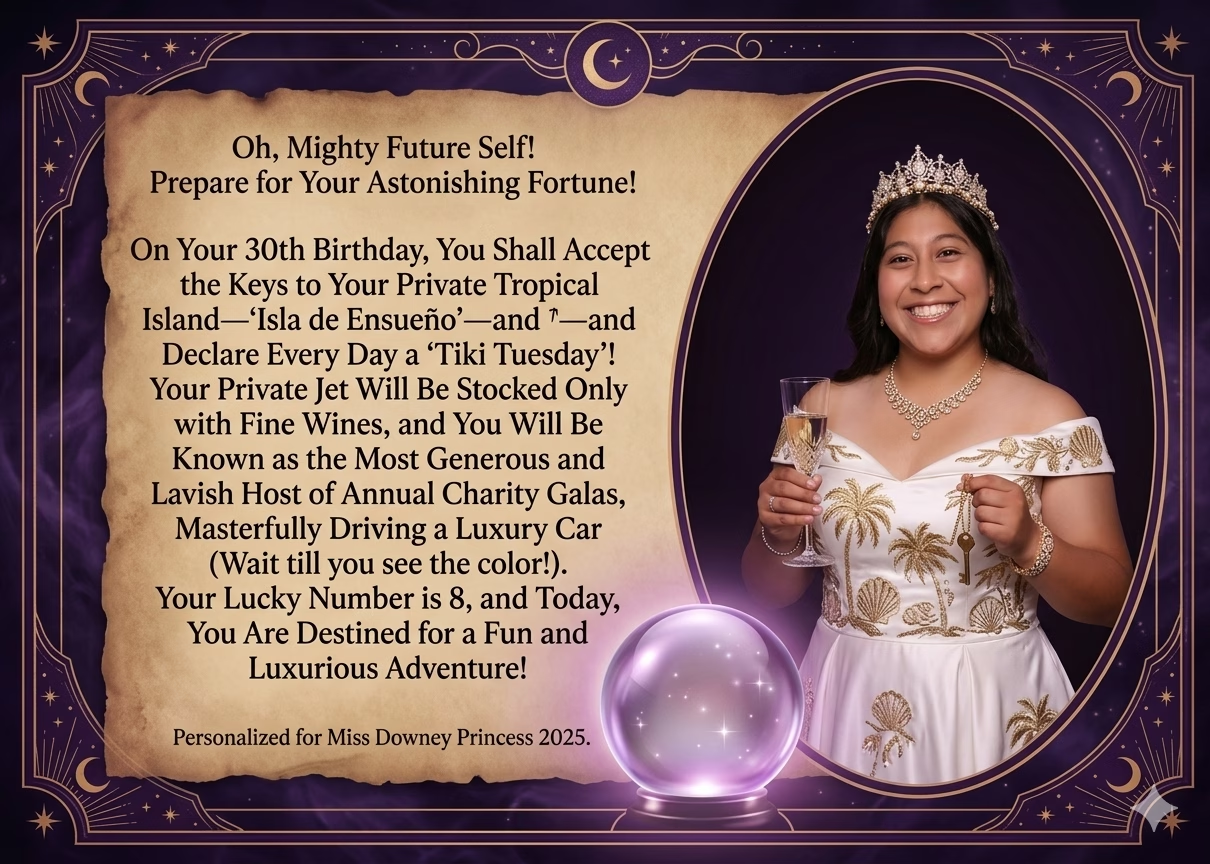
Brand Activation with AI Photo Booths can help illustrate how the photo experience, interface, and campaign purpose work together rather than operating as separate pieces.
Create Guardrails That Are Specific Enough To Operate
“Keep it on-brand” is not a usable instruction for a production team. Translate brand principles into rules that can be reviewed, tested, and enforced.
Your activation brief should define:
• Allowed visual territory: Approved color ranges, lighting mood, wardrobe direction, props, environments, and approved campaign terms.
• Blocked content classes: Sexual content, violence, hate, political advocacy, regulated claims, competitor marks, and identifiable public figures unless rights are secured.
• Prompt boundaries: Guests select from curated choices instead of entering unrestricted text whenever possible.
• Escalation triggers: Human review for unusual text entries, sensitive imagery, repeated failed generations, or content intended for public display.
• Publication rules: Whether every asset can be shared automatically, only delivered privately, or requires moderator approval before appearing on a screen or gallery.
This is not just creative discipline. NIST’s AI Risk Management Framework describes governance, mapping, measurement, and management as connected functions for AI systems. Applied to an activation, that means identifying what could go wrong, assigning an owner, testing the experience, and adjusting controls while the campaign is live.
Plan For Throughput, Not Just Demos
A studio demonstration can work perfectly with one guest. A convention-floor activation must work when 20 people arrive at once, cellular service is uneven, and a VIP needs an immediate result.
Model latency is a design constraint. A five-second generation can feel magical; a 45-second unexplained wait can feel broken. If generation time varies, make the wait useful: show an animation, display clear progress cues, offer a nearby product interaction, or let the guest move to a delivery zone while the asset renders.
Fair warning: do not promise “instant” output if rendering, moderation, or delivery can delay it. If your system fails, the backup should still preserve the guest experience. That might mean delivering a professionally lit original portrait, switching to a pre-approved style template, or offering a printed keepsake while the digital file is sent later.
Protect Trust, Privacy, And Inclusion
AI activations often handle images, email addresses, preferences, and sometimes text responses. That makes trust part of the experience design, not legal fine print at the end of a form.
Make Consent Clear And Useful
Tell guests what is collected, why it is collected, how their image is used, and how long it will be retained. Use plain language at the point of capture, not a dense disclosure hidden behind a QR code.
A sensible notice separates three choices:
- Permission to process the photo or input to create the requested asset.
- Permission to send the finished asset through the chosen delivery channel.
- Optional permission for marketing messages or reuse in brand channels.
If you plan to feature guest outputs in paid media, event screens, or a public gallery, ask separately for that usage. The U.S. Federal Trade Commission’s advertising and marketing guidance supports the principle that marketing claims should be truthful, substantiated, and not deceptive. That includes being honest about what the AI does, what personalization means, and what happens to attendee data.
Design An Accessible Alternative From Day One
A visual, camera-led experience should not exclude attendees who cannot comfortably use the camera, touchscreen, audio cues, or QR delivery method. Accessibility is also practical event design: the more people who can participate independently, the less friction your staff must solve on-site.
The W3C’s WCAG overview frames accessible digital experiences around being perceivable, operable, understandable, and robust. For an activation, turn those principles into physical and digital choices:
• Provide sufficient color contrast and large, readable interface text.
• Offer keyboard, staff-assisted, or simplified touch alternatives where a touchscreen is central.
• Caption video instructions and provide text alternatives for visual directions.
• Ensure prompts do not require a guest to stand, pose, speak, or scan a QR code to participate.
• Offer an equivalent non-visual or low-tech keepsake, such as a personalized text-based fortune, an accessible portrait delivery path, or staff-assisted signup.
Treat The Vendor As Part Of Your Risk System
Your vendor is not simply supplying a screen and a model. They may handle attendee data, creative templates, delivery tools, on-site operations, and the escalation process when content goes wrong.
Ask operational questions before signing:
Vendor Question | Why It Changes Your Decision |
|---|---|
Where are images and contact details stored, and for how long? | Determines whether data handling matches your privacy commitments |
Can the team export consent records and lead data cleanly? | Prevents manual reporting and supports CRM follow-up |
What is moderated automatically, and what receives human review? | Clarifies brand-safety exposure for public displays |
What happens when connectivity or the generation service fails? | Reveals whether the event has a usable backup path |
Can visual rules, prompts, and delivery pages be customized? | Separates a branded experience from a generic template |
ISO/IEC 23894’s AI risk-management standard centers risk identification, analysis, evaluation, and treatment across an AI system’s life cycle. In practical terms, ask the vendor to show how risks are documented before launch, monitored on-site, and reviewed after the event.
Measure Impact Beyond Foot Traffic
Foot traffic is a useful context metric, but it does not prove the activation changed behavior. Measure the full path from invitation to participation to business outcome.
Instrument The Funnel Before The Event Opens
Track each stage with a consistent campaign identifier, event location, time window, and source. That setup lets you compare formats, venues, and creative choices without relying on vague impressions.
Funnel Stage | Core Metrics | Decision Use |
|---|---|---|
Attraction | Passerby count, queue starts, scan rate | Tests whether the concept earns attention |
Participation | Completion rate, average session time, abandonment point | Identifies friction in the guest journey |
Permission | Asset delivery rate, marketing opt-in rate, data completion rate | Measures the quality of the value exchange |
Amplification | Download rate, share rate, repost permission, earned mentions | Shows whether assets travel beyond the venue |
Business Outcome | Meetings booked, offer redemptions, qualified leads, attributed revenue | Determines commercial value |
A completion rate is more useful when paired with queue conditions. For instance, a 70% completion rate may be strong if guests are making thoughtful style choices in a premium lounge. The same rate may signal a problem at a high-volume trade show where people expect a quick headshot. Context matters.
Connect Event Data To Follow-Up
The activation should feed a post-event plan, not a spreadsheet that sits untouched. Segment delivery messages based on the experience the attendee chose. A guest who generated a collectible avatar might receive a campaign gallery or limited-edition offer. A trade-show guest who received a headshot might receive a short resource aligned with their declared professional interest.
Do not assume an opt-in equals intent. Score leads using a combination of consent, declared need, meaningful interaction, and downstream actions. That protects sales teams from low-value volume while giving marketing a clear view of which activation elements create real interest.
Reuse Assets With Permission And Provenance
Generated assets can support email, organic social, retail screens, paid media, and recap content, but only when your rights and records support that reuse. Preserve consent status, timestamp, campaign version, and any moderation decision alongside the asset.
This is where a campaign gains a second life. A short list of approved attendee creations can become a recap carousel, a digital gallery, or creative inspiration for retargeting. The goal is not to republish everything. It is to use the strongest consented outputs to extend the event’s story without blurring the line between guest content and brand-created advertising.
For ideas that connect AI formats to broader campaign planning, review Top AI Photo Booth Experiences for Brand Activations.
Key Takeaways
Make The Experience Earn Its Data Request
Your activation should offer an immediate, obvious benefit before asking for anything beyond what is necessary to deliver it. A studio-quality headshot, a personalized collectible, or a distinctive branded scene can justify a modest request. A generic image usually cannot.
Design For The Moment After The Moment
The live interaction is only the start. Build the campaign around what happens next: asset delivery, consented follow-up, share behavior, CRM routing, and approved content reuse. That is where an entertaining installation becomes a measurable marketing system.
FAQ Section
What Is A High-Impact AI Activation For A Brand?
It is an interactive brand experience that uses AI to create a personalized result while advancing a defined marketing goal. High impact comes from the combination of distinctive creative, smooth execution, clear value for the attendee, and measurable follow-through.
What Kinds Of AI Activations Work Best At Events?
Choose based on your event objective. AI headshots suit professional audiences and lead generation. Collectible avatars and generative worlds suit awareness and social sharing. Fast caricatures, fortunes, and robotic drawings can work well when speed and entertainment are the priority.
How Long Should An AI Activation Take?
There is no universal threshold, but shorter is usually safer in busy environments. Design the core journey to feel quick, communicate progress during generation, and offer a fallback when output time grows. A luxury VIP setting can support a longer session than a crowded expo aisle.
How Do You Keep AI Outputs Safe And On-Brand?
Use curated style choices, blocked content categories, approved templates, moderation rules, and a human escalation path. Avoid unrestricted public text prompts if the output will appear on a public screen or campaign gallery.
What Data Should Attendees Provide?
Collect only what is needed to create and deliver the asset. Request marketing permission separately. If you ask for preferences or profile details, make the benefit clear: the information should improve the experience or the relevance of the follow-up.
What Metrics Should You Track For An AI Brand Activation?
Track attraction, completion, delivery, opt-in, sharing, and business outcomes. The final metric should align with your original objective, such as qualified meetings, offer redemption, purchase, or verified campaign reach.
What Happens If The AI Experience Fails On-Site?
A production-ready plan includes a backup experience, staff escalation steps, and a recovery method for delivery. Keep professional photography, approved non-AI templates, or printed alternatives available so the guest still receives value.
Conclusion
High-impact AI activations succeed when they are built as complete brand systems, not isolated spectacles. Give people a reason to participate, protect their trust, make the output easy to share, and measure the result against a real business goal.
Start with one clear conversion, then build the creative and operational details around it. When the brand story, guest value, governance, and measurement plan work together, AI can create a moment attendees remember and your team can defend in the next budget meeting.