Downtown LA AI Photo Booth Activation Guide for Event Planners
If you are planning a corporate gala, product launch, trade show, or social event in Southern California, launching a Downtown LA AI photo booth activation offers an unmatched opportunity to captivate guests and amplify your brand presence. Downtown Los Angeles (DTLA) is home to world-class venues like the Los Angeles Convention Center, L.A. Live, and historic Arts District warehouses. However, hosting an artificial intelligence photo booth setup in these dynamic spaces requires clear planning around logistics, network stability, guest throughput, and data security.
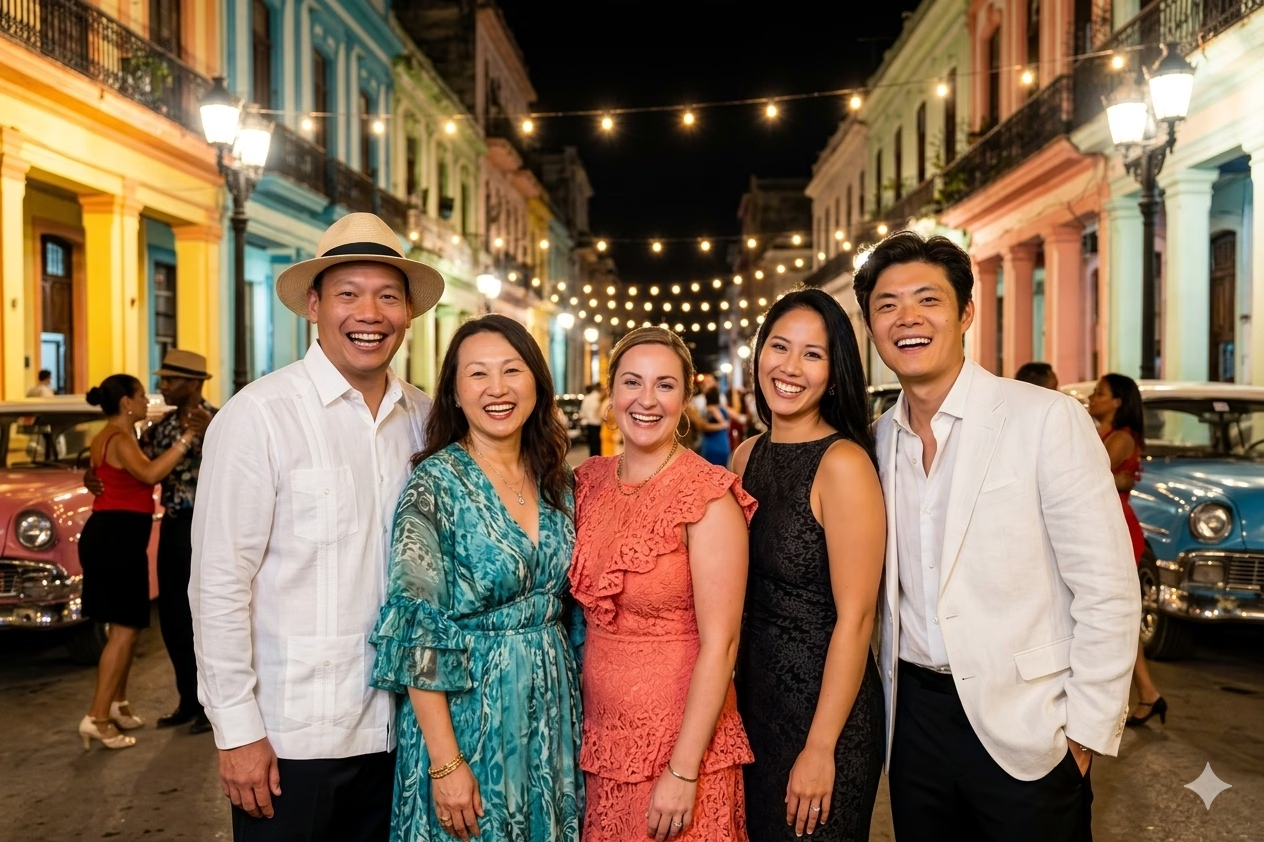
Generative artificial intelligence has redefined experiential event marketing. Rather than stepping in front of a static backdrop for a basic picture, your guests can now enter interactive environments where real-time rendering transforms their portraits into customized thematic artwork, cinematic headshots, or futuristic avatars. To help you execute a flawless activation, this complete guide breaks down venue technical readiness, operational workflows, privacy protocols, and actionable return-on-investment (ROI) tracking.
Table of Contents
• Understanding AI Photo Booth Technology for DTLA Events
• Venue Readiness and Logistics for Downtown Los Angeles Outings
• Throughput Modeling, Workflow Efficiency, and Guest Experience
• Data Privacy, Accessibility, and Brand Safety Standards
• Measuring ROI and Procurement Framework for Event Planners
• Frequently Asked Questions About DTLA AI Photo Booths
• Planning Your Next High-Impact Activation in Downtown LA
TL;DR Summary
An AI photo booth activation in Downtown Los Angeles transforms guest photos into stylized, hyper-personalized brand assets using real-time generative image rendering. To guarantee success at major DTLA venues, event planners must secure dedicated internet bandwidth, model guest session times to avoid long lines, maintain transparent privacy protocols for facial data, and choose between instant digital delivery or dye-sublimation printing. Combining proper venue readiness with custom campaign styling turns high-tech entertainment into measurable lead collection and social engagement.

Key Takeaways
• Strategic Venue Preparation: DTLA locations feature unique architectural conditions—from concrete Arts District basements to high-density halls at L.A. Live—requiring direct venue walk-throughs to verify dedicated power, lighting, and bonded internet connections.
• Rigorous Capacity Modeling: An effective workflow limits guest interactions to 60–90 seconds per session, enabling an average throughput of 40 to 60 completed renders per hour per station.
• Strict Compliance & Privacy: Clear, opt-in consent flows must clearly explain how contact details and guest likenesses are processed, stored, and deleted post-event.
• Digital vs. Physical Strategy: While instant SMS, email, and QR codes optimize sharing speed, physical prints (such as dye-sublimation or lenticular cards) significantly boost long-term brand retention.
• Comprehensive ROI Tracking: Evaluate your activation’s performance across five distinct funnel metrics: participation, session completion, digital delivery success, direct social sharing, and post-event lead conversions.
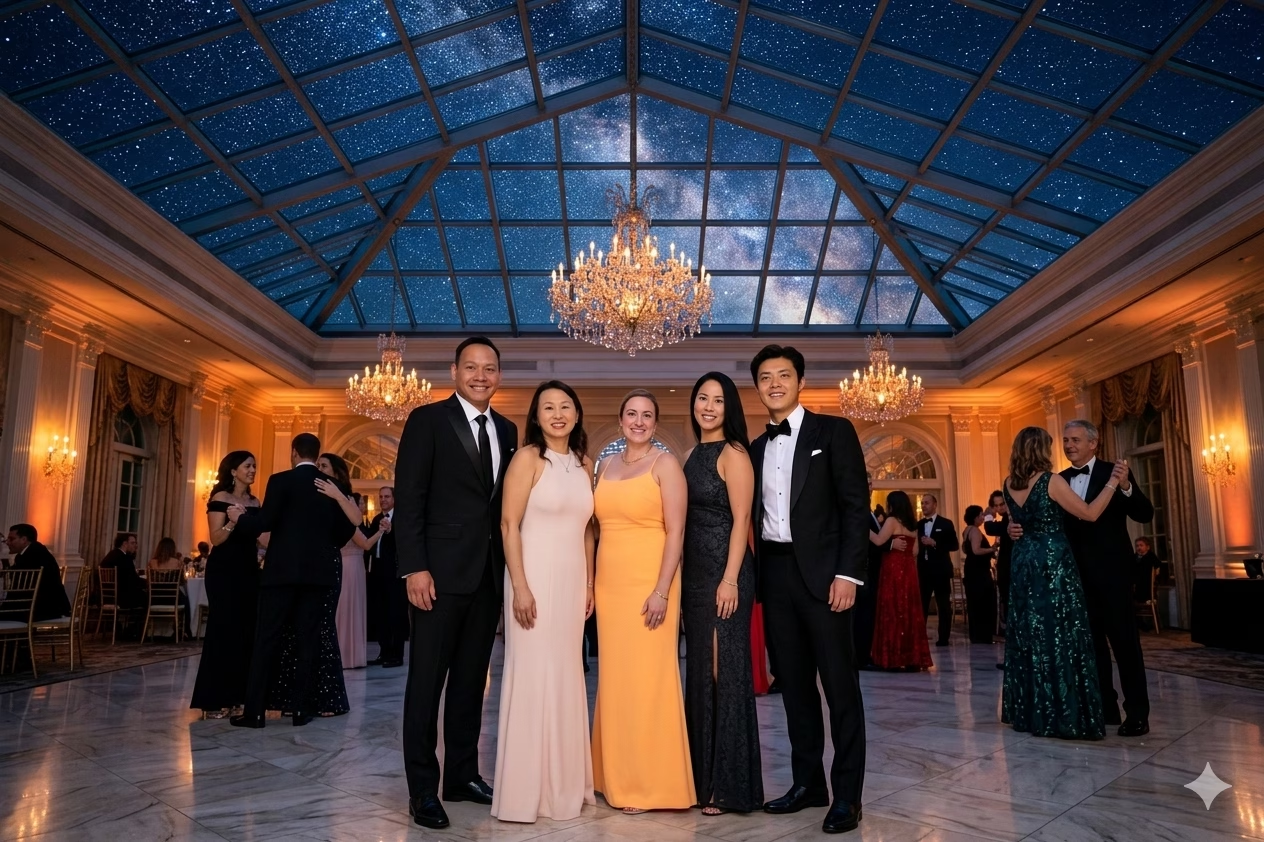
Understanding AI Photo Booth Technology for DTLA Events
When organizing an event in DTLA, understanding how artificial intelligence enhances guest photos helps you choose the right experience for your audience. Modern AI activations merge studio-quality DSLR camera captures with cloud- or edge-computing generative pipelines to restyle images according to specific prompts, visual aesthetics, or corporate brand guidelines.
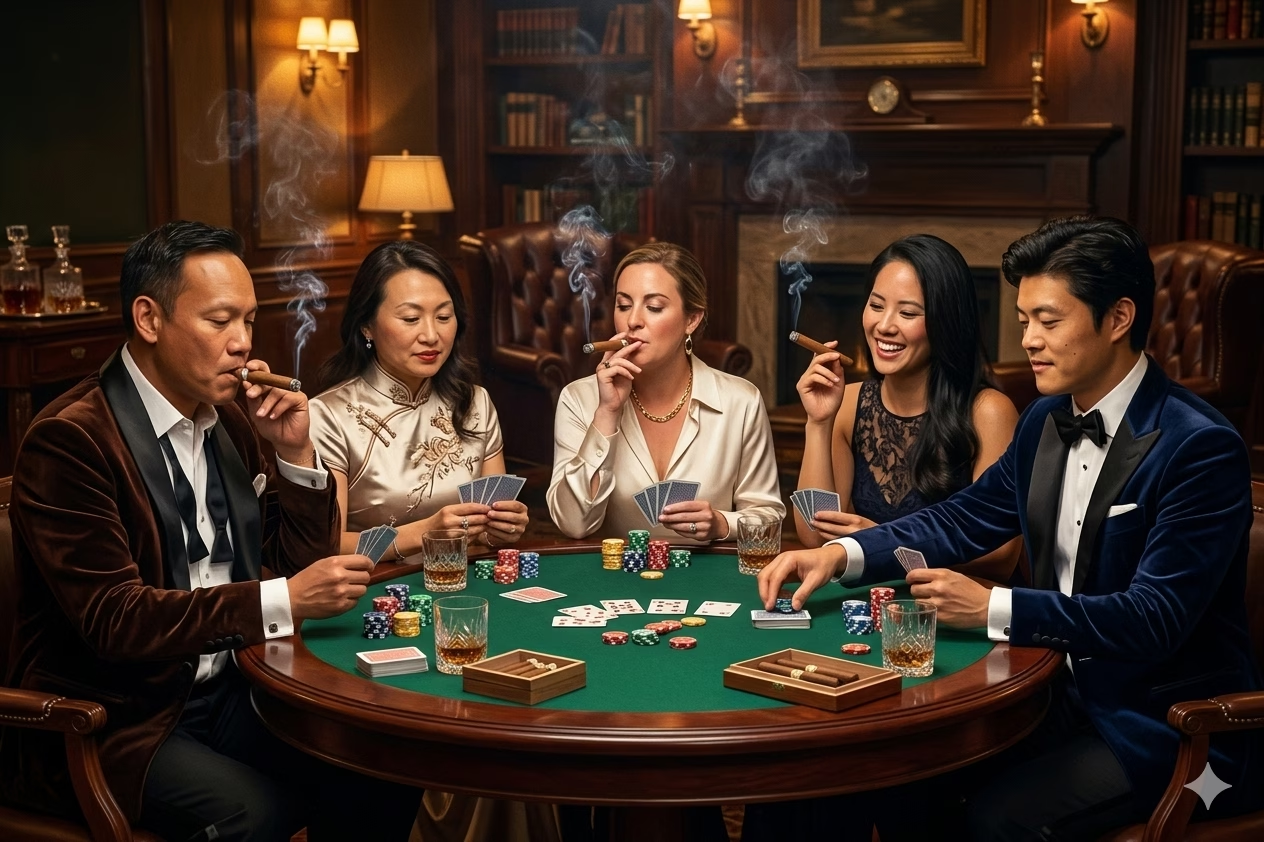
By understanding the specific format options, you can align the technological setup directly with your campaign goals.
How Generative AI Transforms Event Photography
Traditional event photo setups rely on physical backdrops and pre-designed digital overlays. Generative AI photo activations take a completely different approach. When a guest steps up to the booth, a high-resolution camera captures their photo under controlled studio lighting. The software then isolates the guest’s physical features—preserving facial structure, posture, and facial expressions—and applies algorithmic transformations to generate entirely new images.
Under the hood, these systems utilize localized depth mapping, automatic background segmentation, and custom diffusion models. You can transform your attendees into superhero characters, vintage Hollywood actors, futuristic tech innovators, or hand-drawn painted portraits—all within moments. This capability allows brand managers to build deeply personalized, immersive environments without needing expansive physical construction on the show floor.
Core Formats: AI Portraits, Quiz Booths, and Augmented Reality
Not all AI activations run on the same user workflow. Depending on your event’s theme and timing, you can choose from several distinct interactive formats:
• AI High-End Portraits: Focuses on generating polished, magazine-quality headshots or artistic portraits. These setups are ideal for trade shows, executive summits, and networking galas.
• AI Quiz & Archetype Booths: Asks guests two or three brief interactive survey questions on a touchscreen before photo capture. The AI engine then selects a character style or visual theme based on their answers.
• Augmented Reality (AR) & Video Booths: Combines real-time digital prop overlays, dynamic 3D elements, and short looping videos or GIFs with generative background styling.
• Specialty Print Activations: Transforms static images into physical collectables, including custom trading cards, animated lenticular prints, or high-gloss photo stickers.
Key Differences Between AI Activations and Traditional Photo Booths
To decide whether an AI setup fits your event program, compare its operational characteristics against conventional photo booths:
Feature / Metric | Traditional Photo Booth | Generative AI Activation |
|---|---|---|
Visual Output | Static photo with branded graphics overlay | Dynamic, AI-rendered artistic transformations |
Processing Latency | Instant (1 to 5 seconds) | 10 to 60 seconds (hardware/network dependent) |
Customization Depth | Limited to digital borders and logos | Custom-trained AI models matching campaign art |
Hardware Requirements | iPad or DSLR + standard dye-sub printer | DSLR camera, studio lighting, AI GPU processing server |
Guest Engagement Level | Moderate (fun props, pose, take print) | High (curiosity, personalized transformation, high shareability) |
Average Hourly Capacity | 80 to 120 groups per hour | 40 to 60 sessions per station per hour |
Venue Readiness and Logistics for Downtown Los Angeles Outings
Downtown Los Angeles features an extraordinary mix of architectural styles, ranging from historic bank vaults built in the 1920s to sleek modern convention facilities. However, these spaces present unique venue challenges. Ensuring your AI photo booth activation operates without disruption requires reviewing site logistics early in your planning cycle.
Downtown LA Venue Requirements and Footprint Planning
Space allocation is a critical baseline factor. Standard photo booths often fit inside a compact 6-by-6-foot corner, but a fully realized AI photo activation requires a larger operational footprint. Plan for a minimum area of 10 feet by 10 feet, with 10 feet by 15 feet being optimal for high-traffic corporate galas.
Your operational footprint needs to accommodate three clear zones:
- Capture & Posing Zone: Contains the camera tower, studio lighting strobes, and touch interface.
- Queue & Selection Zone: Space for guests to wait, preview sample outputs on external monitors, and enter contact details.
- Output & Printing Station: A separate table positioned slightly away from the camera tower where printed photos, lenticular cards, or QR code pickup kiosks are stationed to keep the queue moving smoothly.
When hosting events at historic DTLA venues like the Majestic Downtown or the Vibiana, account for structural columns, marble flooring reflections, and restricted stairwell access during load-in.
Connectivity, Power, and Lighting Infrastructure
Generative AI models require stable computational processing. Vendors run these workloads either via cloud servers or using localized high-performance computer hardware on-site.
• Network Bandwidth: If your activation relies on cloud-based AI generation or high-speed digital gallery uploads, venue Wi-Fi is rarely sufficient. Downtown concrete structures often block cell signals. Always request a dedicated, hardwired Ethernet line (minimum 25 Mbps upload/download speed) or ensure your vendor provides bonded multi-carrier cellular routers.
• Dedicated Power: AI processing rigs and studio strobes draw significant power. Request a dedicated 15-amp, 120-volt electrical circuit near the activation footprint. Avoid sharing power lines with heavy venue equipment like catering warming ovens or main stage audio rigs, which can cause sudden voltage drops.
• Lighting Control: Ambient venue light directly impacts AI image quality. Bright, uncontrolled sunlight near floor-to-ceiling windows can alter edge detection and shadow alignment. Position your booth in areas with consistent ambient lighting, allowing the vendor’s studio softboxes or ring lights to illuminate guests evenly.
Load-In Rules, Security, and Permits Across DTLA Hotspots
Executing activations at landmark facilities requires navigating strict venue regulations:
• Los Angeles Convention Center (LACC): Requires union labor coordination for freight handling and strictly enforces strict floor space clearances. Your vendor must submit detailed electrical requests and public liability insurance certificates well before the event.
• L.A. Live & Entertainment Complexes: High-density dining and entertainment venues in L.A. Live require precise load-in timing, dock permits, and compact equipment designs that do not block ADA accessibility pathways or fire exits.
• Arts District Warehouses: Industrial spaces like the Rolling Greens Mateo or A+D Museum offer versatile canvas spaces but often lack robust power distribution and built-in internet lines, requiring portable generator tie-ins or satellite network gear.
Throughput Modeling, Workflow Efficiency, and Guest Experience
Nothing disrupts an event faster than an uncontrolled, unmoving line. Because AI processing takes longer than traditional photo capture, calculating accurate guest throughput and establishing clear queue workflows is essential for maintaining guest satisfaction.
Calculating Hourly Guest Throughput and Session Latency
To plan your timeline accurately, break down the exact session sequence to calculate realistic capacity:
- Greeting & Touchscreen Intake (15 seconds): Guest selects style theme and opts into consent terms.
- Capture & Posing (15 seconds): Attendant guides guest posture; camera takes 1–2 photos.
- AI Generation & Processing (15–30 seconds): On-site GPU server or cloud service renders the final image.
- Review & Digital Sharing (15 seconds): Guest inputs phone number or scans QR code to download image.
Using this standard model, a single station completes one full session every 60 to 90 seconds. This results in 40 to 60 completed guest sessions per hour. If your event expects 500 attendees over a 3-hour cocktail reception, a single booth will only serve roughly 25% to 35% of your crowd. To handle larger guest counts, deploy multiple capture kiosks feeding into a centralized processing pipeline, or utilize roaming photographers linked to an AI processing hub.
Digital Delivery versus Instant On-Site Printing
Deciding between digital-only delivery and physical printing involves balancing delivery speed, operational complexity, and tangible branding value.
• Digital-Only Workflow: Images are sent instantly via SMS, email, or direct QR code scanning from a secondary touchscreen display. This approach eliminates print queue bottlenecks, reduces physical footprint requirements, and lowers operational supply costs.
• Physical Printing Workflow: Utilizing high-speed dye-sublimation printers produces physical 4×6 photo prints or custom branded cards in under 15 seconds. While physical prints provide high keepsake value, they introduce secondary queues as guests wait for paper outputs. Placing print pick-up tables 10 to 15 feet away from the photo capture kiosk keeps the main line moving smoothly.
Queue Management and Fail-Safe Contingency Planning
Keep high-profile corporate activations running smoothly by planning for technical edge cases:
• Secondary Preview Displays: Set up external TV monitors facing the waiting line. Showing real-time transformations of active participants entertains waiting guests and accelerates style selection before they reach the camera.
• Offline Queue Fallback: If cloud connections drop or render latency spikes during peak network hours, configure software to automatically fall back to pre-rendered local style overlays or batch-process queued images in the background while instantly issuing guests a retrieval claim ticket.
• Dedicated On-Site Staffing: Always pair an automated booth with a friendly technical attendant. Staff members manage guest positioning, answer questions about AI technology, and manage line pacing.
Data Privacy, Accessibility, and Brand Safety Standards
In an era of strict consumer data protections, hosting an AI photo activation requires clear data handling practices. Corporate event producers must ensure guest privacy is protected while safeguarding brand identity.
Guest Consent, Likeness Retention, and Data Security
Generative AI photo processing relies on captured biometric facial structures. Your activation workflow must follow clear consent standards:
• Explicit Opt-In Terms: The touchscreen interface must present a concise opt-in agreement before taking any photos. Guests must actively confirm acceptance via checkbox before image processing begins.
• Transparent Data Retention Policies: Clearly state how guest images and contact information (phone numbers, email addresses) are used. Specify whether images are stored temporarily for social retrieval or deleted immediately after the event.
• Model Training Restrictions: Confirm with your vendor that guest photos are used strictly for real-time output rendering and are never added to public dataset archives or used to train third-party machine learning models without explicit authorization.
Inclusive Design and Wheelchair Accessibility Guidelines
Public and corporate activations in Los Angeles must be accessible to every guest:
• Adjustable Camera Heights: Hardware configurations should use motorized camera mounts or wide-angle focal lengths to accommodate seated guests, wheelchair users, and guests of varying heights without requiring manual equipment teardown.
• Touchscreen Reach & Clearance: Position control panels between 36 and 42 inches off the ground, ensuring clear floor approach paths for mobility devices.
• Audio and Visual Clarity: Provide high-contrast screen prompts and clear visual countdown timers to ensure ease of use for attendees with visual or hearing impairments.
Alignment with Campaign Artwork and Brand Guidelines
To ensure AI-generated artwork aligns with corporate messaging, review your brand parameters during pre-production:
• Custom Model Fine-Tuning: Provide your vendor with official campaign visual assets, style guides, and color codes prior to the event. Technicians train and test the system to generate outputs matching your brand identity.
• Negative Prompting Safeguards: Establish strict boundary guidelines within the software engine to block unwanted visual artifacts, distorted face renders, or off-brand thematic elements.
• Branded Framing & Overlays: Frame every output with clean, vector-based visual overlays containing your company logo, event hashtag, and sponsor graphics.

Measuring ROI and Procurement Framework for Event Planners
Investing in advanced activation technology requires proving its marketing impact. Setting up structured data tracking and establishing clear procurement briefs ensures your investment delivers concrete results.
Tracking Metrics: Participation, Shares, and Lead Generation
Evaluate your activation performance using a multi-stage funnel framework:
[Total Event Attendees]
│
▼
[1. Participation Rate] ───► Total Unique Guest Sessions Started
│
▼
[2. Completion Rate] ───► Successfully Rendered AI Images
│
▼
[3. Delivery Rate] ───► SMS / Email / QR Downloads Issued
│
▼
[4. Social Share Rate] ───► Direct Social Media Uploads & Posts
│
▼
[5. Lead Conversion] ───► Opted-In Marketing Contacts Acquired
By comparing unique digital downloads against your initial guest counts, you can calculate accurate conversion rates for your event recap reports.
Cost Structures, Package Comparisons, and Budgeting
When budgeting for a Downtown Los Angeles AI activation, vendor proposals typically vary based on hardware, customization depth, staffing, and event duration. Standard activation formats generally fall into three structural tiers:
Package Tier | Typical Included Scope | Ideal Event Profile |
|---|---|---|
Standard Drop-Off / Basic | Self-service station, pre-set AI visual templates, digital SMS delivery, basic software branding | Internal company parties, small social gatherings, short single-day functions |
Turnkey Attended Activation | On-site technical staff, custom prompt engineering, branded vinyl booth wrap, digital gallery + prints | Trade show booths, product launches, brand pop-ups, corporate galas |
Fully Bespoke Enterprise | Multi-station setup, custom-trained AI models, real-time LED wall feeds, dedicated gigabit internet, custom physical set buildout | Major entertainment premieres, multi-day conventions, national product tours |
Standardized RFP Vendor Brief Template
When submitting requests for proposals (RFPs) to event technology vendors in Los Angeles, use this structured checklist to gather complete, comparable quotes:
- Event Details: Location name, specific room/hall, load-in dates, activation operating hours, and estimated total guest attendance.
- Visual Theme & Styling Requirements: Target aesthetic descriptions, prompt concepts, logo overlay vector files, and physical backdrop preferences.
- Hardware & Output Delivery Scope: Number of capture stations needed, instant dye-sub printing needs, lenticular print requirements, and secondary sharing kiosk numbers.
- Technical & Network Requirements: On-site GPU computing requirements, hardwired network needs, and backup power equipment.
- Data Handling & Compliance Specs: Required guest consent agreements, data retention limits, and post-event lead distribution timelines.
- Staffing & On-Site Support: Request for certified technical attendants, line operators, and pre-event setup engineers.
Frequently Asked Questions About DTLA AI Photo Booths
What is a Downtown LA AI photo booth activation?
An AI photo booth activation is an interactive event experience that captures high-resolution guest photos and uses generative software models to transform them in real time into customized, branded artwork, stylized portraits, or thematic characters.
Which Downtown LA venues are best suited for an AI photo booth?
Major event spaces such as the Los Angeles Convention Center, L.A. Live venues, the Majestic Downtown, Vibiana, and Arts District warehouses easily accommodate AI photo booths, provided they have level flooring, adequate electrical access, and strong internet connectivity.
How much floor space and power are required for setup?
An ideal footprint measures 10 feet by 10 feet (or 10 feet by 15 feet when including high-volume physical printing stations). The equipment requires one dedicated 15-amp, 120-volt electrical circuit positioned near the setup.
How many guests can an AI photo booth serve per hour?
On average, a single station completes 40 to 60 guest sessions per hour, assuming an average processing time of 60 to 90 seconds per group. Throughput can be expanded by running multiple capture kiosks off a shared processing network.
Can generated images incorporate our company’s brand artwork and logos?
Yes. AI software models can be custom-trained to incorporate specific brand color palettes, campaign themes, and visual backgrounds, with every output framed by your company’s branded graphic overlays.
How are finished photos delivered to event guests?
Guests can receive their rendered photos digitally via instant SMS text messages, email delivery, or by scanning an on-screen QR code. Physical options include instant dye-sublimation prints, custom trading cards, or lenticular prints.
What happens if venue Wi-Fi is slow or unavailable?
Professional vendors utilize local edge-computing hardware equipped with graphics processing units (GPUs) to render images without needing cloud servers. They also deploy multi-carrier cellular routers or dedicated hardwired Ethernet lines for digital sharing.
How is guest facial data and privacy handled?
Reputable providers implement strict opt-in consent flows on the booth’s touchscreen, clearly detailing how guest contact details and images are processed, stored, and permanently deleted post-event.
Planning Your Next High-Impact Activation in Downtown LA
Launching an Downtown LA AI photo booth activation offers a unique way to bridge physical event experiences with shareable digital marketing content. By selecting the right interactive format, assessing DTLA venue infrastructure early, and maintaining smooth guest workflows, you can create a standout feature that delights attendees while hitting your key brand engagement metrics.
When preparing for your next event, partner with an experienced local vendor who understands the unique logistical requirements of Downtown Los Angeles venues. Focus on robust power and network preparation, clear consent practices, and custom campaign styling. With proper preparation, your high-tech photo experience will leave a lasting impression long after your event wraps up.
Executing a successful Downtown LA AI Photo Booth Activation requires precision, but the payoff is immense. By prioritizing a Downtown LA AI Photo Booth Activation, you ensure your brand remains at the cutting edge of experiential marketing. Every Downtown LA AI Photo Booth Activation serves as a bridge between high-tech innovation and genuine human connection. When you design your Downtown LA AI Photo Booth Activation, focus on seamless user flows. A well-planned Downtown LA AI Photo Booth Activation captures data effectively, while a poorly managed Downtown LA AI Photo Booth Activation risks guest frustration. Always verify venue specs for your Downtown LA AI Photo Booth Activation to avoid technical bottlenecks. Whether it is a small mixer or a massive trade show, a Downtown LA AI Photo Booth Activation elevates the atmosphere. Consider how a Downtown LA AI Photo Booth Activation can drive social media reach. Your Downtown LA AI Photo Booth Activation should reflect your unique brand identity. Investing in a Downtown LA AI Photo Booth Activation creates lasting memories. A professional Downtown LA AI Photo Booth Activation delivers measurable ROI. Never underestimate the power of a Downtown LA AI Photo Booth Activation to engage attendees. Each Downtown LA AI Photo Booth Activation offers unique creative potential. Plan your Downtown LA AI Photo Booth Activation with security in mind. A Downtown LA AI Photo Booth Activation transforms passive guests into active brand advocates. Ultimately, the right Downtown LA AI Photo Booth Activation turns any event into a viral success. Start your next Downtown LA AI Photo Booth Activation today.
For planners concerned with data ethics, the NIST provides comprehensive resources on artificial intelligence standards to ensure your activation remains compliant and secure.