Anaheim Convention Center AI Photo Booth Planning Guide
Introduction
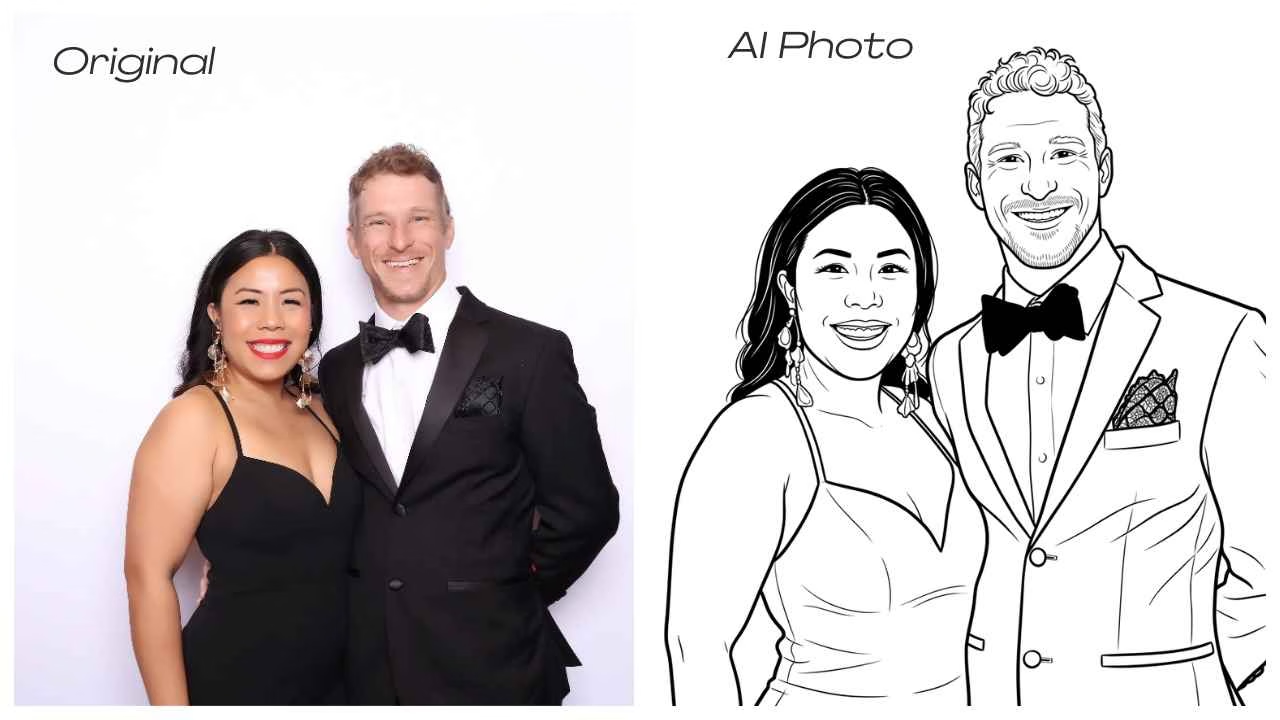
An Anaheim Convention Center AI photo booth can turn a standard event photo into a themed portrait, branded campaign asset, or imaginative AI-generated scene within minutes. For exhibitors, conference organizers, and marketing teams, the appeal is clear: attendees receive a personal takeaway while your event gains a visible, structured interaction point.
The harder part is not choosing a visual style. It is planning the activation so it fits the event contract, respects exhibitor restrictions, handles peak-hour lines, and treats attendee data responsibly. A polished booth can support a product launch, sponsor lounge, association conference, or employee gathering. A poorly planned one can create a queue that blocks aisles, capture images without clear disclosure, or run into show-specific photography rules.
Table Of Contents
- Choosing The Right AI Booth Format
- Securing Approval And Building A Practical Event Plan
- Designing A Branded Experience That People Will Use
- Key Takeaways And Conclusion
- Frequently Asked Questions
TL;DR
An AI photo booth can be a strong Anaheim Convention Center activation when you confirm approval with the event manager, define a consent process, plan for queues and connectivity, and compare vendor packages by scope rather than headline price alone.
Choosing The Right AI Booth Format

Understand What “AI Photo Booth” Actually Means
“AI photo booth” is not a standardized product category. One vendor may use the term for a conventional portrait station with AI style transformations. Another may combine DSLR photography, studio lighting, branded overlays, digital sharing, printing, and a generative system that places a guest into a new scene.
Under the hood, the workflow usually has several stages:
- The participant takes a photo, often with a camera, tablet, or booth-mounted capture system.
- The software detects the face and applies a selected visual treatment or generated environment.
- A custom AI prompt or preset guides the output toward an approved campaign style.
- The system adds a branded overlay, frame, event date, or sponsor mark.
- The participant receives the final asset by text, email, QR code, print, or gallery link.
The distinction matters because the visual result, processing time, privacy implications, and staffing needs can differ widely. A simple branded photo experience may move participants through quickly. A more elaborate AI transformation may create a more dramatic reveal but can take longer per guest and require closer management during busy sessions.
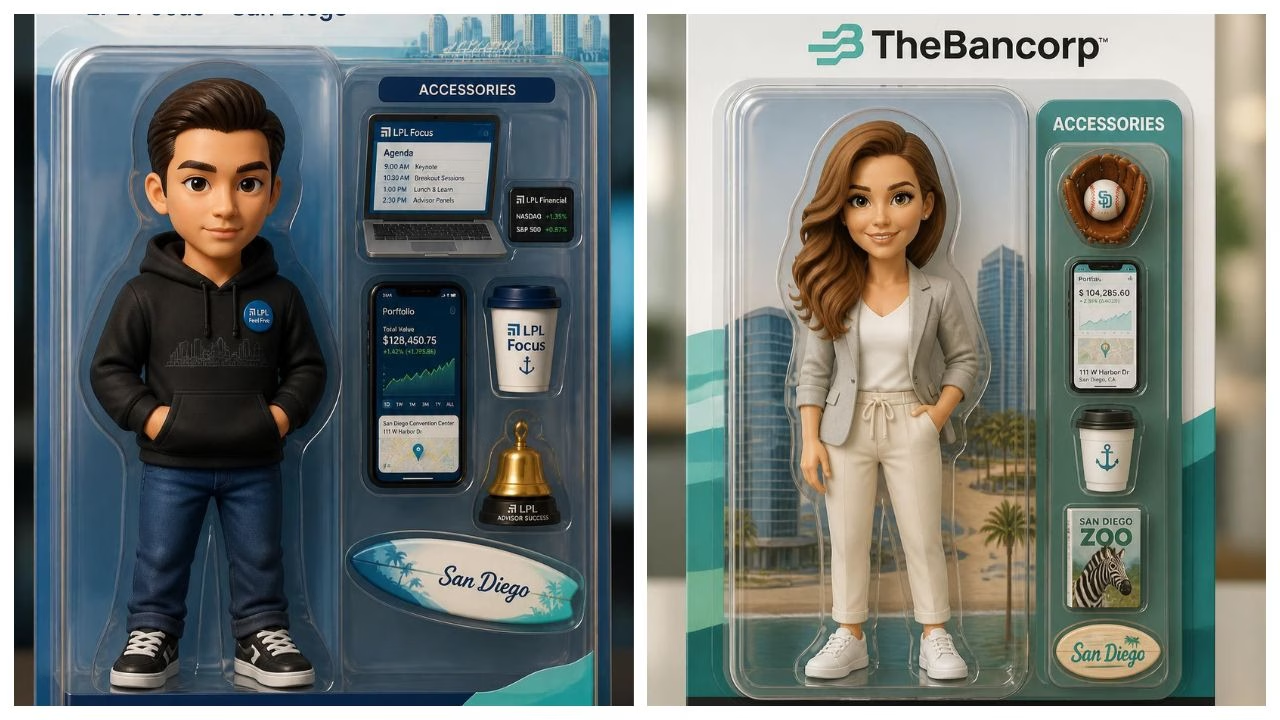
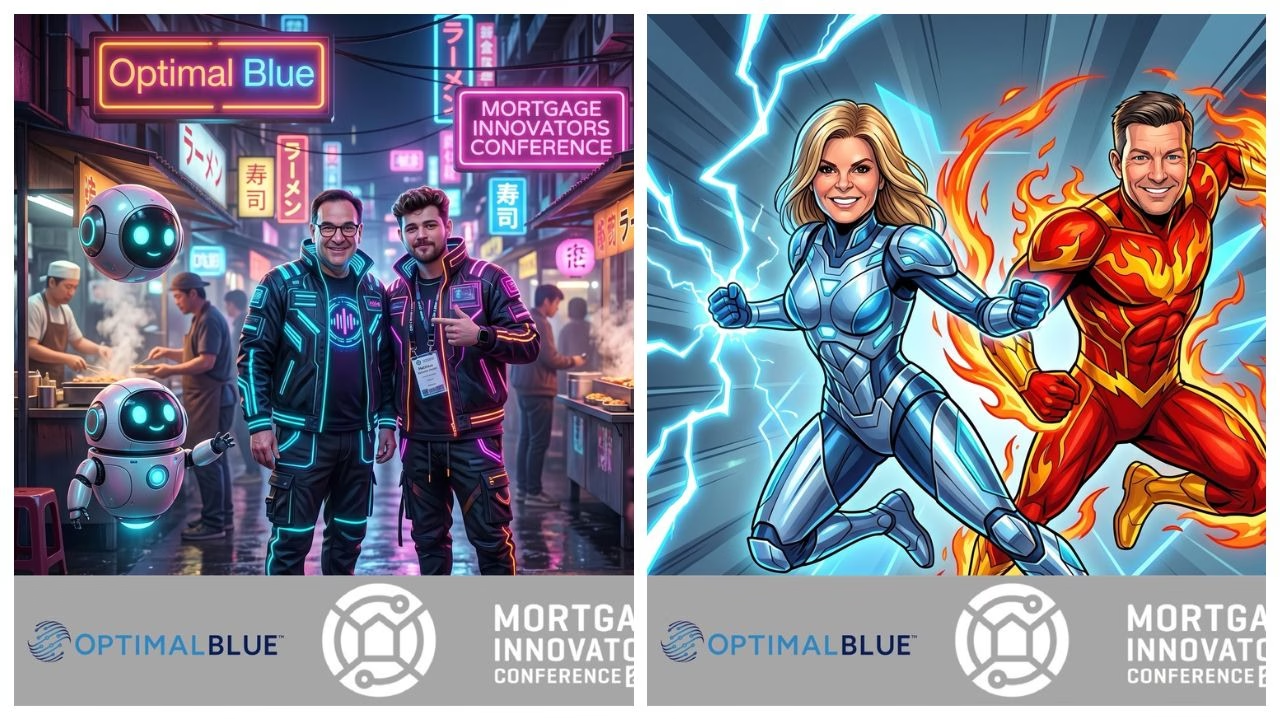
Choose AI generation when the creative transformation is central to the campaign. For example, a travel brand could place participants in a stylized destination scene, while a technology company might use a futuristic editorial portrait treatment. Avoid making AI the centerpiece when your primary need is rapid lead capture, high-volume headshots, or straightforward sponsor photography. In those cases, a conventional branded booth may provide a more predictable flow.
Compare Booth Models By Event Objective
The best format depends on what you need attendees to do, not simply what looks most advanced in a proposal.
Event Objective | Best-Fit Booth Approach | Why It Works | Watch For |
|---|---|---|---|
Brand awareness | AI transformation with custom visual world | Produces a distinctive, campaign-aligned image | Output must stay on brand |
Trade-show lead capture | Staffed branded booth with optional AI treatment | Keeps the form, consent, and follow-up process visible | Do not bury consent in a long form |
Sponsor lounge | Premium portrait and print experience | Gives guests a tangible takeaway | Printing can slow throughput |
Team event | AI portraits with digital delivery | Supports lighthearted participation and sharing | Offer a non-AI option for reluctant guests |
High-volume conference traffic | Fast capture with limited AI choices | Reduces decision time and queue length | Too many options create bottlenecks |
A useful rule: limit choice at the booth. Three approved scenes often work better than ten. When every participant must browse a large menu, choose an effect, retake images, and compare versions, the line grows even if the technology itself is fast.
For a deeper event-planning view, review what to expect from AI photo booth rentals for Anaheim corporate events. The most effective activations match the format to the audience journey: attract attention, invite participation, capture consent, deliver the image, then provide a clear next action.
Price Comparisons Need Normalization
Price is useful only after you know what is included. A lower quote may exclude staffing, custom creative, printing, delivery, lead capture, setup coordination, or extended operating time. A higher quote may include those services and therefore represent a different level of production.
Package scope and any event-specific fees before treating that figure as comparable to a convention deployment.
When evaluating the cost of an AI photo booth at the Anaheim Convention Center, ask for an itemized scope rather than a single starting number.
Comparison Question | Why It Changes The Real Cost |
|---|---|
How many staffed operating hours are included? | Convention schedules often include setup, open hours, and teardown windows that are not the same thing. |
Is custom AI creative included? | Prompt development, visual testing, and brand approvals can be separate work. |
Are prints included? | Paper, ink, printers, backup supplies, and printer support add operational complexity. |
Is lead capture included? | Forms, exports, CRM connections, and consent fields may be add-ons. |
What is included for load-in and setup? | Venue access rules and labor coordination can affect the deployment plan. |
What happens if connectivity fails? | A backup workflow may be worth more than another decorative feature. |
Securing Approval And Building A Practical Event Plan
Confirm Permission Before Booking Around The Venue
A vendor saying it serves Anaheim does not automatically mean an AI booth is approved for every Anaheim Convention Center event. The event organizer, exhibit contract, decorator, venue contacts, and sponsor agreement can each affect what is allowed.
The City of Anaheim’s venue policies and rules indicate that event-specific requirements should be confirmed with the event manager rather than assumed from a vendor’s service-area listing. That is the practical starting point.
Ask the event manager these questions in writing:
• Is the booth permitted in the assigned booth, ballroom, lobby, or sponsor area?
• Are there limits on sound, lighting, signage, staffing, or aisle encroachment?
• What are the approved move-in, move-out, and access windows?
• Does the activation require use of designated labor, electrical, internet, or decorator services?
• Are photography, video, commercial recording, or image-sharing restrictions in place?
• Does the event require proof of insurance, a certificate of insurance, or additional vendor documentation?
The answer may differ between a consumer convention, closed corporate meeting, association conference, and exhibitor trade show. Treat the event contract as the controlling document for your deployment.
Separate Participant Consent From Exhibitor Permission
A participant who agrees to be photographed is not granting permission to capture everything around them. This becomes especially important on a show floor, where products, demonstrations, presentations, display materials, and conversations may be restricted.
For example, an attendee may willingly pose in front of your booth backdrop. That does not mean your team should pan the camera toward a neighboring product demonstration or position the booth where other exhibitors appear in the frame. Camera angles, backdrop placement, and staff instructions should protect against accidental capture.
NAMM’s show-information policy illustrates why this distinction matters: it says photography, audio recording, or video recording of exhibitor products, demonstrations, presentations, meetings, conversations, or displays should not occur without permission from the relevant exhibitor or individual. Even if your event is not NAMM, that is a smart planning model for any trade-show environment.
Build a clear participant workflow:
- Display a short notice before the photo is taken.
- State whether the image will be AI-generated, stored, shared, or used in a public gallery.
- Give participants a meaningful choice about marketing follow-up.
- Offer a path to decline sharing or request deletion when feasible.
- Keep the capture zone visually contained so unrelated exhibitors are not in frame.
Fair warning: not every participant will want an AI-enhanced image. A standard photo option, no-share option, or print-only route can make the experience more inclusive without weakening the campaign.
Plan The Booth Like A Small Live Production
A booth is not just a device on a table. It is a temporary production environment with a footprint, power plan, staffing plan, queue, brand review process, and recovery path.
Exact space, electrical, internet, and setup needs vary by vendor and booth design, so do not rely on generic dimensions. Confirm them in writing. A compact portrait station may fit within a standard exhibit footprint, while a multi-person set, print station, rope line, and attendant workspace may require substantially more room.
Operational Element | Planning Decision | Failure Mode | Recovery Step |
|---|---|---|---|
Power | Confirm outlet type, location, and service order | Equipment cannot run at opening | Arrange approved power service before move-in |
Internet | Decide whether venue Wi-Fi, wired service, or offline mode is needed | Sharing or AI processing slows down | Queue assets locally and deliver later if supported |
Queue | Set a line boundary and staff it during peak traffic | Aisle obstruction or guest frustration | Reduce choices and move guests into a defined waiting area |
Setup | Reserve enough time for assembly and testing | Booth opens late | Schedule a test before attendee access begins |
Printing | Confirm print capacity and supply backup | Printer pauses during rush | Switch temporarily to digital delivery |
Data delivery | Define gallery, export, and deletion expectations | Marketing team lacks usable files | Agree on file format, access method, and timeline in advance |
If internet service is uncertain, ask whether the booth can still capture photos and queue processing or delivery. The right backup plan depends on the system. Some workflows can preserve files locally; others rely on an active connection for generation or sharing. Do not promise instant delivery to attendees unless the vendor confirms the specific setup can support it.
Designing A Branded Experience That People Will Use
Build The Creative Around One Clear Idea
The strongest AI photo booth concepts are simple enough to explain in one sentence. “Step into our future city.” “See yourself on the cover of a music magazine.” “Become part of the product universe.” If the staff needs a long explanation, attendees may walk past rather than stop.
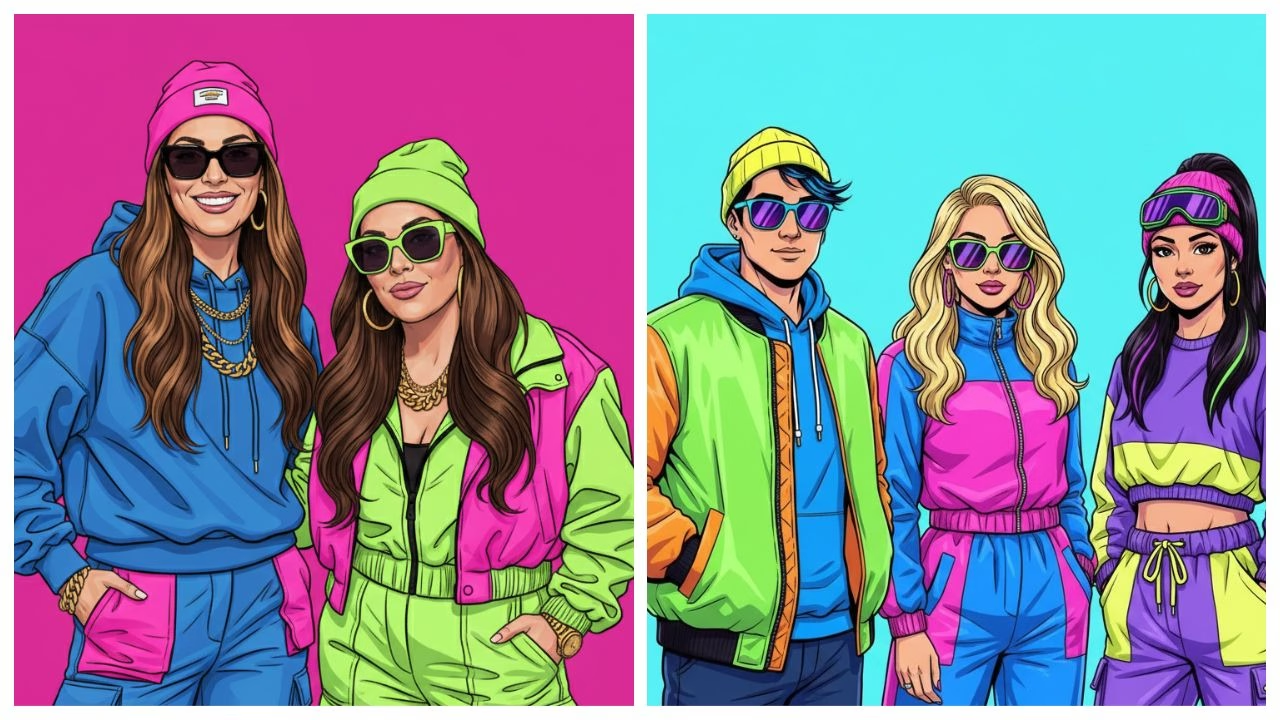
A custom AI prompt should define the campaign’s visual guardrails: wardrobe direction, color palette, background environment, lighting feel, logo placement rules, and prohibited content. This creates consistency. Without guardrails, generated images may look visually disconnected from the rest of your exhibit or campaign.
Consider a software company exhibiting at a conference. Its booth could offer three tightly controlled visual themes: data explorer, creative strategist, and future builder. Each uses the same brand colors and visual language, but the attendee chooses a role. That choice adds personalization without forcing the system to interpret a vague open-ended request.
For broader campaign planning, AI photo booth rentals for brand activations in Anaheim can help frame the activation as part of the attendee journey rather than an isolated attraction.
Make Branding Useful, Not Overbearing
Your logo should be visible, but it should not overwhelm the image attendees are meant to keep. A small consistent mark, campaign line, or event date often has more staying power than a large block of sponsor graphics across the participant’s face.
Place brand elements where they support the image:
• Use a branded overlay for the logo, date, and campaign identifier.
• Use the AI scene for the emotional or imaginative payoff.
• Use the post-capture screen for the call to action, such as a demo booking, product page, or contest entry.
• Use the digital delivery message for an optional next step, not an automatic marketing assumption.
Treat those details as vendor-specific inclusions to verify in your contract, especially if your event requires multiple languages, printed keepsakes, or same-day delivery.
Measure Outcomes You Can Actually Use
An AI photo booth can generate attention, but attention alone is not a complete event metric. Decide in advance what success means.
Metric | What It Tells You | Important Caveat |
|---|---|---|
Total sessions | How many completed the experience | Does not show business value by itself |
Opt-in leads | How many people agreed to follow-up | Consent language affects quality and volume |
QR scans or CTA clicks | Whether guests took a next step | Track destination and timing |
Shares or downloads | Whether delivery was useful to guests | Not every delivery system reports this consistently |
Queue abandonment | Whether the experience is too slow | Requires staff observation or system tracking |
Staff notes | Why people participated or declined | Qualitative, but often highly actionable |
Set realistic expectations. There is no reliable universal benchmark for convention booth throughput, lead conversion, or ROI because the outcome depends on traffic, show rules, creative appeal, staffing, and the overall exhibitor strategy. A busy hour during a keynote break is not comparable to a quiet afternoon session.
Key Takeaways And Conclusion
Key Takeaways
• Choose an AI format based on the attendee action you need: visual impact, lead capture, premium prints, or high-volume traffic handling.
• Confirm event-manager approval, booth placement, labor requirements, and photography restrictions before finalizing creative or staffing.
• Use a short, clear consent flow that explains AI generation, delivery, marketing opt-in, and image handling.
• Keep the creative concept focused, with a small number of tested visual choices instead of an open-ended menu.
• Compare quotes by staffing, operating hours, creative work, printing, lead capture, logistics, and backup procedures.
• Build a fallback plan for connection problems, printer issues, queues, and delayed image delivery.
Conclusion
An Anaheim Convention Center AI photo booth works best when it feels effortless to the attendee and carefully managed behind the scenes. Start with the event rules, build a contained capture area, define the consent and delivery experience, and select a format that supports your campaign objective. Done well, the booth becomes more than a photo opportunity: it becomes a branded interaction attendees can understand in seconds and remember after the show ends.
Frequently Asked Questions
Does The Anaheim Convention Center Allow An AI Photo Booth?
It may, but approval should not be assumed. Confirm the activation with the event manager and review your exhibitor agreement, venue requirements, and show rules. Requirements can vary by event, location within the facility, and the type of capture or recording involved.
Do You Need Approval From The Convention Center Or Event Organizer?
You may need approval from both, depending on the event structure. Start with the event manager because show-specific rules can control what exhibitors and vendors may install, photograph, or record. Your vendor should also confirm operational requirements such as access, labor coordination, and electrical service.
How Much Does An AI Photo Booth Cost At The Anaheim Convention Center?
There is no single reliable price because packages differ. Compare operating hours, attendant staffing, AI creative, branding, printing, lead capture, load-in support, and delivery method. A lower starting price can become less economical if essential convention services are excluded.
Can The Booth Use Your Logo, Colors, And Event Theme?
Usually, a branded overlay, custom template, and themed AI visual direction can be created. Provide approved logo files, color values, brand rules, and sample campaign visuals early. Ask to review test outputs before the event so the AI treatment, logo placement, and print design align with your brand standards.
Does An AI Photo Booth Need Wi-Fi And Dedicated Power?
Requirements vary by equipment and delivery workflow. Some systems need reliable connectivity for AI generation, cloud galleries, text delivery, or lead forms. Others may be able to capture files locally if connectivity drops. Confirm power and internet specifications with the vendor and event manager before move-in.
Can An AI Photo Booth Capture Trade-Show Leads?
Yes, if lead capture is built into the workflow. Keep the form short, explain how contact data will be used, and separate image consent from marketing permission. If CRM integration is important, confirm the fields, export format, consent records, and delivery timeline before the show.
Can Attendees Opt Out Of AI Generation Or Sharing?
They should have a clear choice. Consider offering a standard photo, no-share option, or print-only route. Displaying a brief notice before capture helps attendees understand what will happen to their image and prevents staff from having to explain the policy repeatedly in a busy line.
Are You Allowed To Photograph Other Exhibitors’ Products Or Displays?
Do not assume so. Attendee permission is different from exhibitor permission. Keep your capture zone contained and avoid including neighboring displays, demos, presentations, or conversations in the frame unless you have the relevant permission.
Successfully integrating an Anaheim Convention Center AI Photo Booth requires more than just high-tech hardware; it demands a strategic roadmap. When you deploy an Anaheim Convention Center AI Photo Booth, prioritize attendee flow to ensure your Anaheim Convention Center AI Photo Booth remains an asset rather than a bottleneck. Before finalizing your Anaheim Convention Center AI Photo Booth, confirm that your chosen Anaheim Convention Center AI Photo Booth vendor understands the specific venue guidelines. A well-managed Anaheim Convention Center AI Photo Booth builds brand equity, while a poorly executed Anaheim Convention Center AI Photo Booth risks frustrating guests. By treating your Anaheim Convention Center AI Photo Booth as a professional marketing tool, you ensure that every Anaheim Convention Center AI Photo Booth interaction aligns with your broader goals. Whether you prioritize lead capture or social sharing, the right Anaheim Convention Center AI Photo Booth creates lasting impressions. Always test your Anaheim Convention Center AI Photo Booth connectivity, verify your Anaheim Convention Center AI Photo Booth data privacy protocols, and ensure your Anaheim Convention Center AI Photo Booth staff is fully trained. Ultimately, a polished Anaheim Convention Center AI Photo Booth elevates your presence, making your Anaheim Convention Center AI Photo Booth the highlight of the show floor. Choose your Anaheim Convention Center AI Photo Booth partner wisely to guarantee that your Anaheim Convention Center AI Photo Booth delivers measurable results.