AI Photo Booth Rental The Westin Bonaventure Hotel
AI Photo Booth Rental
The Westin Bonaventure Hotel
Elevate your corporate galas, trade shows, and brand activations at Downtown Los Angeles’ landmark hotel with bespoke AI-powered imagery from Lucky Frog Photo Marketing.
Explore AI Booth OptionsSouthern California’s Premier Photo Experience
Tailored AI Experiences & Traditional Rentals
AI Portrait & Lounge Booths
Transform event attendees into stylized, high-art portraits in real time. Ideal for high-profile conferences and galas at venue spaces across Southern California.
360 & Vogue Video Booths
Deliver red-carpet excitement with studio lighting and high-speed motion video capture. Complete with instant digital sharing capabilities for immediate online reach.
Classic & Wooden Roamer Booths
For a timeless aesthetic, our sleek wooden and handheld roamer booths capture candid moments anywhere in the ballroom, lounge, or outdoor terrace.
AI Photo Booth Rental at The Westin Bonaventure Hotel
Planning an event in the iconic grand ballrooms or sky-lit atrium of The Westin Bonaventure Hotel & Suites? Our dedicated setup brings modern AI tech without disturbing the timeless architectural elegance of Downtown LA’s favorite venue.
We provide full-service photo activation, from custom-branded graphic overlays to instant SMS/Email delivery and physical keepsake printing.
Reserve for Bonaventure EventsDiscover Our Capabilities
Explore Lucky Frog Photo Marketing Solutions
Introduction
An AI Photo Booth Rental The Westin Bonaventure Hotel can turn a standard event photo moment into an interactive, branded experience guests actively seek out. For a corporate conference, gala, trade show, wedding, or holiday party, the right setup can create polished portraits, capture leads, and give attendees an instant digital keepsake without disrupting the event’s flow.
The Westin Bonaventure Hotel is a major downtown Los Angeles hotel and convention setting, so the question is not simply whether an AI photo booth will fit. The real decision is where it should go, how guests will move through it, what approvals may be needed, and whether the experience matches your event goals.
TL;DR
An AI photo booth is a strong fit for The Westin Bonaventure Hotel when you need a compact, premium guest experience with custom branding and digital sharing. Prioritize early venue coordination, a clear queue plan, reliable lighting, accessible placement, and a privacy workflow before event day.
Table Of Contents
• Choosing The Right AI Photo Booth Experience
• Planning For The Westin Bonaventure Hotel
• Designing A Guest Experience That Performs
Choosing The Right AI Photo Booth Experience
What Guests Actually Experience
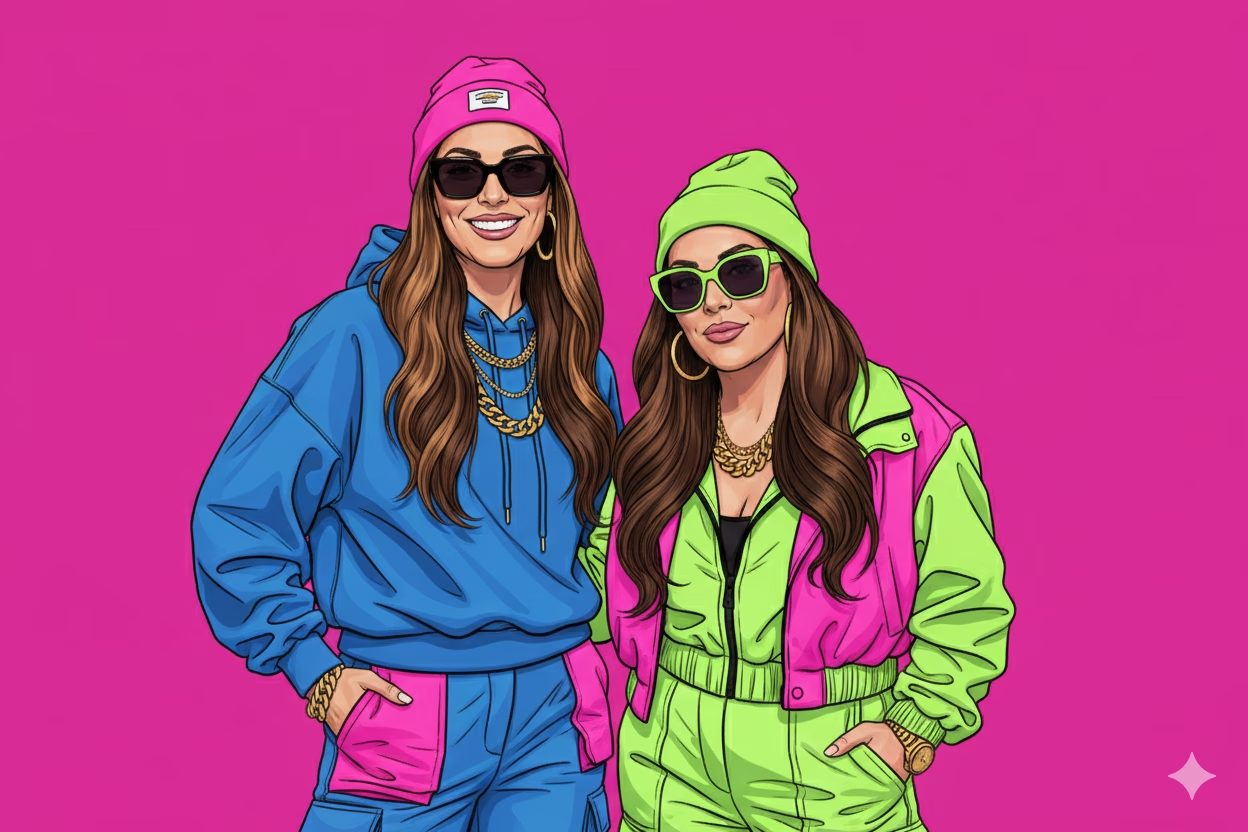
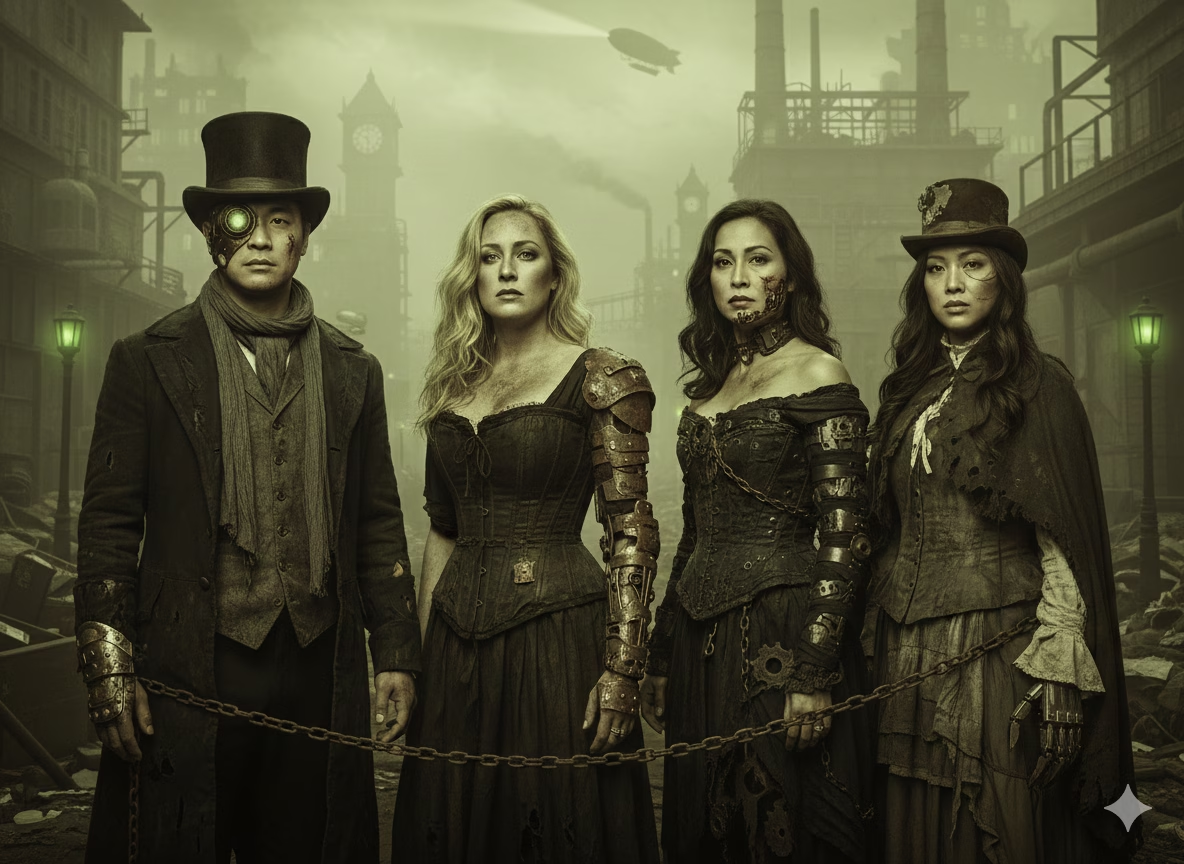
An AI photo booth starts with a standard portrait capture, but it does more than apply a basic filter. The booth camera captures a guest or group, software identifies key facial and compositional details, and an AI workflow transforms the image into a selected visual style. Depending on the activation, the result may resemble a magazine cover, cinematic character portrait, stylized illustration, luxury travel campaign, or themed branded scene.
The guest journey is usually simple:
- A guest selects an experience or prompt option on a touchscreen.
- The attendant helps position the guest in the best lighting area.
- The camera captures one or more images.
- The system processes the portrait and applies the approved branded design.
- The guest previews the output and receives it by QR code, text, email, print, or a combination of delivery methods.
That simplicity matters. Your guests should not need to understand the technology to enjoy it. They should see the screen, choose a style, pose, and receive something worth sharing.
For planners comparing formats, the Difference Between Traditional and AI Photo Booths is most relevant when the event needs more than repeated posed photos. A traditional booth can be ideal for fast print volume. An AI experience is better when you want each participant to pause, interact, and discover a personalized result.
Choosing AI, Open Air, Or 360 For Your Event
Your booth choice should follow the event objective rather than the latest trend. At a hotel with ballrooms, meeting spaces, exhibit areas, and high traffic public zones, each format creates a different operational footprint.
Format | Best Fit At The Hotel | Strength | Trade Off To Consider |
|---|---|---|---|
AI photo booth | Brand activations, conferences, sponsor lounges, upscale parties | Personalized, highly branded portraits and digital sharing | Processing time can create a queue if demand is high |
Open air photo booth | Receptions, large banquets, weddings, employee events | Fast group photos, physical prints, broad accessibility | Less individualized transformation than AI |
360 video booth | Galas, nightlife themes, awards parties, product celebrations | Motion, music, dramatic video output | Needs more operating space and careful guest safety management |
Choose an AI booth when your goal is quality interaction over maximum throughput. A software company hosting a two day conference, for example, may use AI portraits themed around future work, then add a branded frame and lead capture step. The guest receives a shareable asset, while the sponsor receives measurable engagement data.
Choose an open air booth when hundreds of people need quick group photos during a short reception. Choose a 360 video booth when movement and energy are central to the program, especially during an evening event where music and dramatic lighting fit naturally.
A venue listing pairing makes sense: the two experiences serve different guest flow needs, and they can even work together for a large event with multiple engagement zones.
Budget Expectations And Package Decisions
AI photo booth pricing in Los Angeles varies because the equipment itself is only one part of the cost. Your quote may reflect custom design time, AI processing, staffing, printing, delivery method, event duration, transportation, installation complexity, and multi day support.
Lucky Frog base photo booth packages start at $995 for three hours, including a bilingual on site attendant, custom print template design, instant digital sharing, and a post event digital gallery. AI enhancements, expanded custom development, larger footprints, specialty fabrication, extended hours, and convention staffing can change the final scope.
Published market prices reinforce why apples to apples comparisons matter.
When reviewing proposals, ask vendors to separate these four cost areas:
• Base operating time: The staffed hours guests can use the experience.
• Creative production: AI styles, visual prompts, overlays, screens, animations, and approval rounds.
• Venue logistics: Load in timing, parking, freight access, long equipment routes, or labor requirements.
• Add ons: Prints, additional attendants, lead capture, branded sets, custom props, overnight storage, and multi day operation.
Fair warning: the lowest quote can become the most expensive choice if it excludes staffing, delivery, network planning, or the custom work required to make the activation feel intentional.
Planning For The Westin Bonaventure Hotel
Start With Placement, Not Equipment
The Westin Bonaventure Hotel’s downtown setting and event scale can support substantial guest traffic, but that also makes placement critical. The hotel address is 404 S. Figueroa Street, Los Angeles, CA 90071, as shown on UCEA’s Westin Bonaventure exhibitor information. For an activation, that downtown context affects transportation timing, vendor arrivals, and the need for a realistic load in plan.
Begin with the floor plan. Do not wait until setup day to decide where the booth should live.
A ballroom activation usually offers more control. You can place the booth near the reception entrance, cocktail area, dessert station, or sponsor lounge. You can also manage lighting and direct guests toward the experience with signage.
A lobby activation offers visibility but introduces more variables. Public foot traffic, nearby guest services, elevator circulation, ambient noise, and competing visual activity can dilute the experience. If the event is not controlling the space, you may need more visible queue boundaries and clear instructions to distinguish event guests from hotel guests.
The exhibitor information also indicates that some convention exhibits can use table based space rather than full booth builds. That is a helpful reminder that footprint constraints may matter. A sleek tabletop AI station may be more practical than a large scenic installation in a compact exhibit zone.
Confirm Venue Requirements Early
Exact hotel policies can vary by event contract, room assignment, event manager, and production scale. Confirm operational details directly with your hotel contact rather than assuming a setup used at another event will be approved for yours.
Your planning conversation should cover:
• Approved vendor procedures and any required vendor registration.
• Certificate of insurance requirements, coverage limits, and submission deadlines.
• Loading dock, freight elevator, and approved delivery windows.
• Electrical access, outlet locations, and whether dedicated power is necessary.
• Overnight storage rules for multi day convention equipment.
• Restrictions on signage, pipe and drape, freestanding structures, sound, or stanchions.
• Whether union labor, hotel labor, or security coordination applies to your event.
A COI, or certificate of insurance, is often a routine part of venue vendor approval. Your vendor should be prepared to provide it when requested, but you should allow time for the hotel to review any required wording. A last minute insurance request can delay installation even when every other part of the activation is ready.
Build A Practical Load In Schedule
Hotel logistics are rarely glamorous, but they decide whether the booth opens on time. A compact AI photo booth may take less physical space than a large scenic build, yet it still requires transport cases, backdrop components, lighting, printer equipment if included, and a staffed setup period.
For a one night gala, schedule equipment arrival early enough to account for parking, dock access, security check in, elevators, and room access. For a convention, coordinate a more detailed timeline that includes move in, daily testing, show hours, overnight shutdown, and final breakdown.
A reliable event day sequence looks like this:
- Confirm access credentials and freight instructions before arrival.
- Move equipment through the assigned hotel route.
- Install the booth and test camera, lighting, touchscreen, printer, and sharing system.
- Review the final guest path with the event lead.
- Open only after branding, power, and connectivity have passed a full test.
- Keep a recovery plan for a printer jam, network issue, or delayed AI processing.
For a multi day program, reuse approved creative assets but refresh the attendee incentive. Day one may focus on discovery. Day two can offer a new AI scene, partner theme, or prize drawing to bring repeat guests back without rebuilding the entire activation.
Designing A Guest Experience That Performs
Control Lighting, Audio, And Processing Expectations
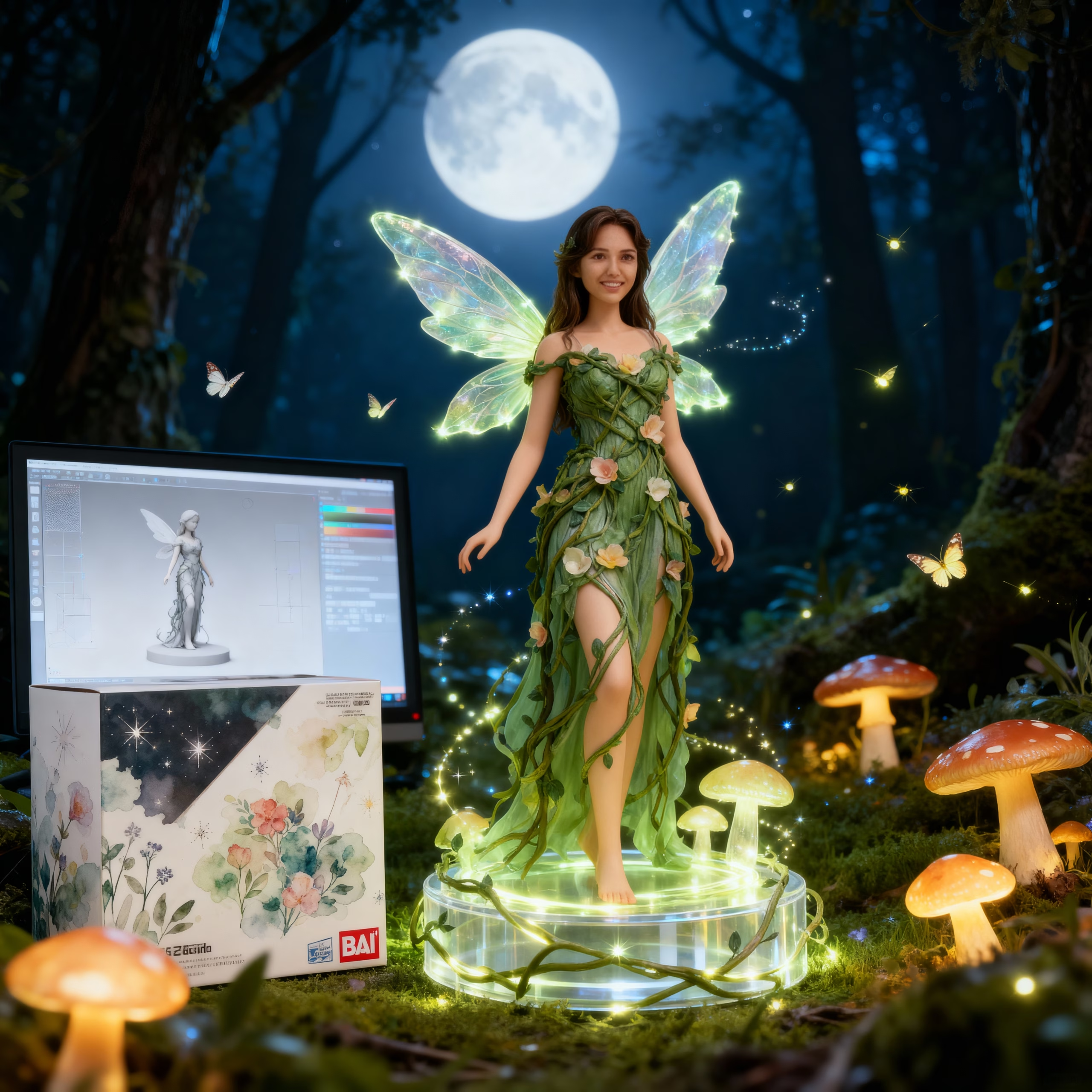
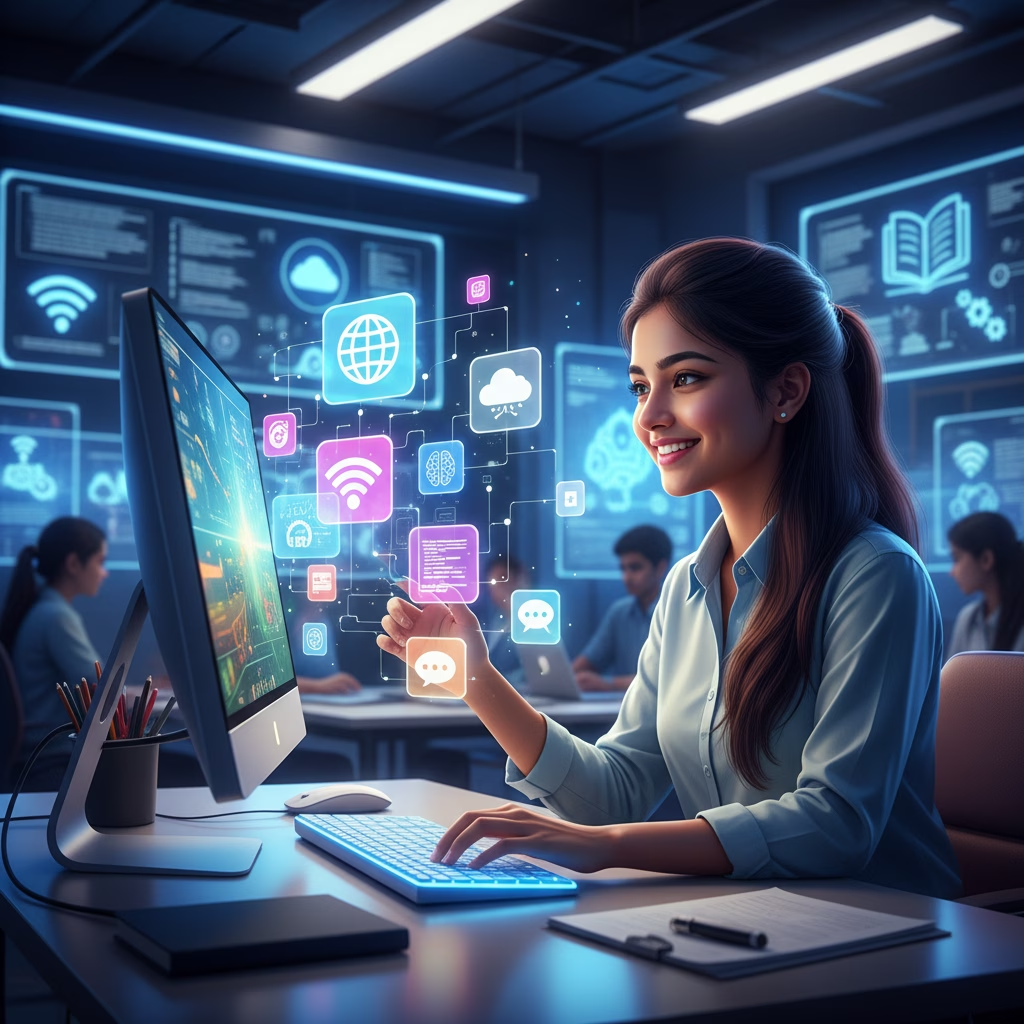
AI output starts with the original photo. If the source image is poorly lit, heavily backlit, crowded, or blurred by movement, the transformation may look less consistent. This is why professional lighting and deliberate booth placement matter more than a dramatic hotel ceiling fixture.
Place the capture area away from direct sunlight through windows, reflective mirrors, flashing stage lights, and strong colored uplighting when possible. Soft, even front lighting helps the camera capture faces accurately. The backdrop should provide enough visual separation so guests do not blend into a busy room behind them.
Audio is usually optional for an AI portrait activation. If the experience includes spoken directions, music, or video content, keep the volume low enough that it does not compete with keynote sessions, dinner service, or adjacent exhibitors. In many ballroom situations, visual prompts on the touchscreen are more reliable than audio instructions.
Processing speed needs honest planning. A polished AI image may take longer than a standard photo capture, and peak demand can create a bottleneck. If your event has a 20 minute cocktail reception, a complex AI experience may not serve every attendee. In that case, simplify the number of style choices, add a second station, or pair the AI booth with a faster open air setup.
Protect Privacy Without Making The Experience Awkward
Guest photos are personal data, especially when they are attached to names, emails, phone numbers, or lead forms. The cleanest approach is to decide what you need before the event, communicate it plainly, and collect only what serves the activation.
A thoughtful consent workflow can include:
• A visible notice explaining that photos are being captured and transformed by AI.
• An opt in checkbox for marketing follow up that is separate from photo delivery.
• Clear language on whether photos will appear in a public gallery or only in private delivery.
• A retention plan describing when unneeded photos and contact information will be deleted.
• A staff escalation process for guests who request that their image not be used or shared.
For example, a sponsor may want email capture for prize follow up. That is reasonable if the form clearly separates “send me my photo” from “send me promotional messages.” Combining both permissions into one vague statement can reduce trust and lower completion rates.
Make Accessibility And Queue Design Part Of The Creative Plan
An attractive activation can still exclude people if it is difficult to approach, hard to use, or surrounded by a tightly packed line. ADA accessibility should influence placement, table height, signage, and guest movement from the earliest floor plan review.
Aim for a clear route to the booth, enough turning space for mobility devices, a reachable touchscreen position when feasible, and an attendant who can assist without taking over the guest’s experience. Avoid placing cables across walking paths. Use proper cable covers where needed and keep stanchions from narrowing accessible circulation.
Queue management is equally important. A visible line is useful social proof until it becomes a barrier. Use one entrance point, a clear “start here” sign, and a separate exit path so completed guests are not crossing into the waiting line. For a high demand conference booth, an attendant can explain the process while guests wait, reducing hesitation at the screen.
The AI Photo Lounge Experience is a useful direction when you want the booth to feel like a curated destination rather than a single device against a wall. This approach is especially effective in sponsor lounges, VIP areas, and evening receptions where guests have time to explore the experience.
Key Takeaways And FAQ
Key Takeaways
• Choose an AI photo booth when personalized branded portraits and meaningful dwell time matter more than rapid group photo volume.
• Confirm hotel approval, COI requirements, power, load in routes, and placement before finalizing creative or staffing plans.
• Use controlled lighting, simple on screen instructions, and a realistic queue plan to protect image quality and guest satisfaction.
• Treat photo consent and lead capture as separate decisions so attendees understand how their images and contact details will be used.
• Track scans per hour, completed sessions, sharing rate, average wait time, and lead conversion if the activation has a marketing objective.
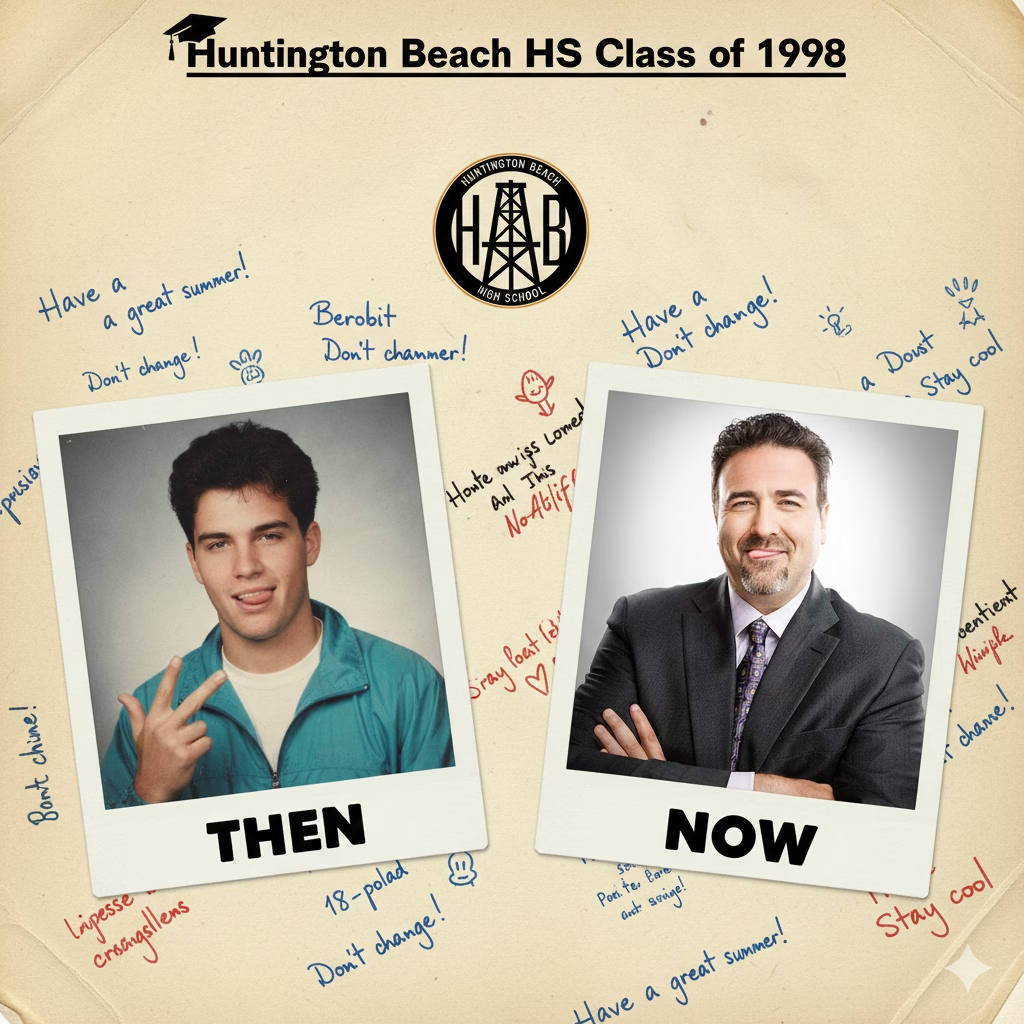
The AI Photo Booth Rental Planning Guide for Huntington Beach offers additional planning ideas that can be adapted to hotel events, particularly when you are comparing staffing, space, and guest flow requirements.
FAQ
What Is An AI Photo Booth Rental At The Westin Bonaventure Hotel?
It is a staffed photo activation that captures guest portraits and uses AI to create stylized or branded image variations. At The Westin Bonaventure Hotel, it can be installed in a ballroom, meeting room, exhibit area, sponsor lounge, or approved event space, subject to hotel coordination and floor plan approval.
Can An AI Photo Booth Be Set Up In A Ballroom Or Lobby?
Yes, but the two locations serve different purposes. Ballrooms provide better control over lighting, access, and event only traffic. Lobby placements can generate visibility but may require more careful queue boundaries, signage, and approval because of shared circulation.
How Much Does An AI Photo Booth Rental Cost In Los Angeles?
Pricing depends on event duration, staffing, custom creative, printing, footprint, and logistics. Lucky Frog base packages start at $995 for three hours, while published Los Angeles AI packages from other vendors show that digital and print experiences can cost more depending on scope. Request a quote that separates operating time, creative work, venue logistics, and add ons.
What Does An AI Photo Booth Usually Include?
A typical package may include a camera based booth, professional lighting, touchscreen interface, AI portrait processing, branded visual design, an attendant, digital sharing, and a post event gallery. Print options, lead capture, additional attendants, custom sets, and multi day support may be added based on the event.
Does An AI Booth Work Better Than A 360 Booth For This Venue?
It depends on your goal. An AI booth is generally better for detailed brand storytelling, portrait personalization, and lead capture. A 360 booth is stronger for motion driven content and party energy. For a formal conference or sponsor activation, AI is often the more focused choice. For a gala after party, 360 video may create more immediate excitement.
Can Guests Receive Prints And Digital Copies?
Often, yes. Digital delivery through QR code, text, or email is efficient for AI portraits and supports sharing. Prints add a physical takeaway but require printer capacity, supplies, and space. For a high volume event, digital first delivery can reduce wait times while a limited print option serves VIPs or prize winners.
Does The Vendor Need Insurance Or Venue Approval?
Possibly. Many hotels require vendors to provide a certificate of insurance and follow event specific loading or access procedures. Confirm the requirements with the hotel event contact early, then give your booth vendor enough time to submit requested paperwork and coordinate arrival details.
Conclusion
An AI photo booth can add real value to an event at The Westin Bonaventure Hotel when it is planned as part of the guest journey, not added as a last minute entertainment item. Align the format with your goals, reserve enough space for an accessible queue, verify operational requirements, and design a sharing workflow guests can understand in seconds.
For a convention, gala, corporate event, trade show, or social celebration, Lucky Frog can help coordinate a tailored photo activation with custom branding, bilingual on site attendants, digital sharing, and venue focused setup support.