AI Photo Booth Pasadena Convention Center: Planning Guide
Introduction
An AI photo booth Pasadena Convention Center activation can turn a brief attendee interaction into a branded digital asset, a print keepsake, or a qualified trade show lead. It is not simply a camera with novelty filters. The strongest programs combine professional digital photography, AI image transformation, thoughtful guest flow, brand safe creative direction, and a reliable delivery process.
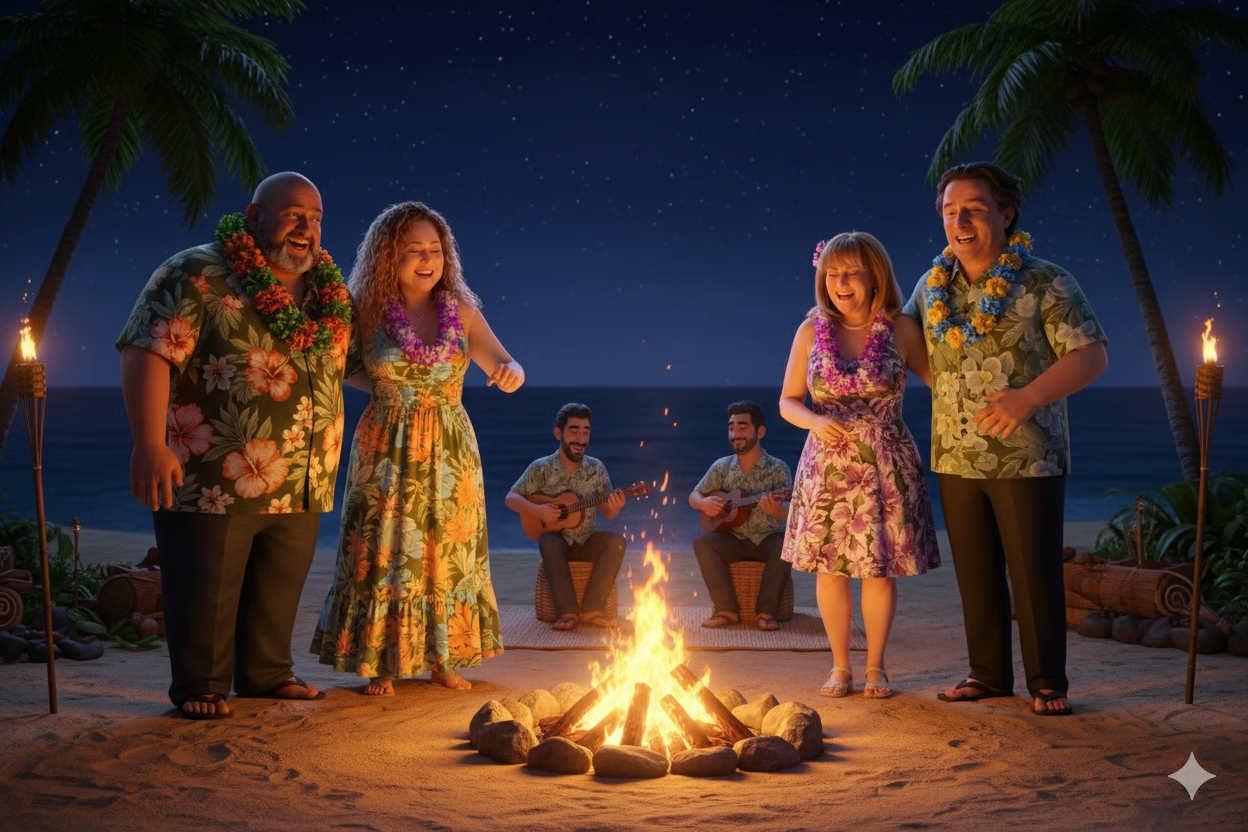
For decision makers, the key question is not whether AI portraits look impressive. It is whether the experience can handle your attendee volume, fit your exhibit footprint, respect privacy expectations, and support a measurable event goal. A booth that produces stunning portraits but creates a 20 minute line may disappoint a busy conference audience. A faster digital experience with a focused visual concept may perform better.
TL;DR: Choose an AI photo booth when you need a high visibility, branded interaction that encourages participation and sharing. Confirm the venue setup process early, build your package around expected traffic, use a clear consent flow for photos and lead capture, and require practical backup plans for connectivity, delivery, and printing.
Table Of Contents
What An AI Booth Does At A Convention Event
How The Experience Works
An AI photo booth captures a guest portrait and applies a preconfigured visual transformation. Depending on the activation, that could mean an executive headshot with a polished virtual background, a futuristic campaign scene, a magazine inspired cover, or a branded character treatment. The guest usually chooses a style, poses for a photo, reviews the generated output, and receives it digitally or in print.
The AI component can change the environment, wardrobe styling, color treatment, or visual story around the guest. That gives your team more creative range than a fixed physical backdrop alone. It also gives guests a reason to take a second look at the image and share it.
A standard photo booth may be the better option if your objective is simple group photography, high volume capture, or classic print strips. An AI booth makes more sense when the visual transformation itself is the attraction. For example, a software company launching a future focused product could place attendees inside a stylized innovation city. A university recruiting booth might produce professional AI enhanced headshots that students can use after the event.
Branding Beyond A Logo Overlay
A logo in the corner is useful, but it is only one layer of branding. A stronger AI photo activation connects its creative output to the campaign idea. The visual style, screen prompts, email or SMS language, gallery page, and print design should all feel like parts of the same event experience.
A practical brand package can include:
• A custom welcome screen and interaction flow
• Brand colors, typography, logos, and approved campaign language
• A defined set of AI styles rather than unlimited, unpredictable choices
• A branded digital delivery page with a clear call to action
• Optional print templates sized for the selected printer and guest flow
• Consent language that separates image processing from marketing opt ins
The best creative direction is specific enough to feel intentional but broad enough to work across different guests. For a trade show, one or two polished transformations generally move people through faster than a long menu of effects. Too many choices can create hesitation before the photo is even taken.
For related planning ideas focused on exhibitor engagement, review this AI photo booth Pasadena for trade shows and brand events.
Why AI Changes The User Experience
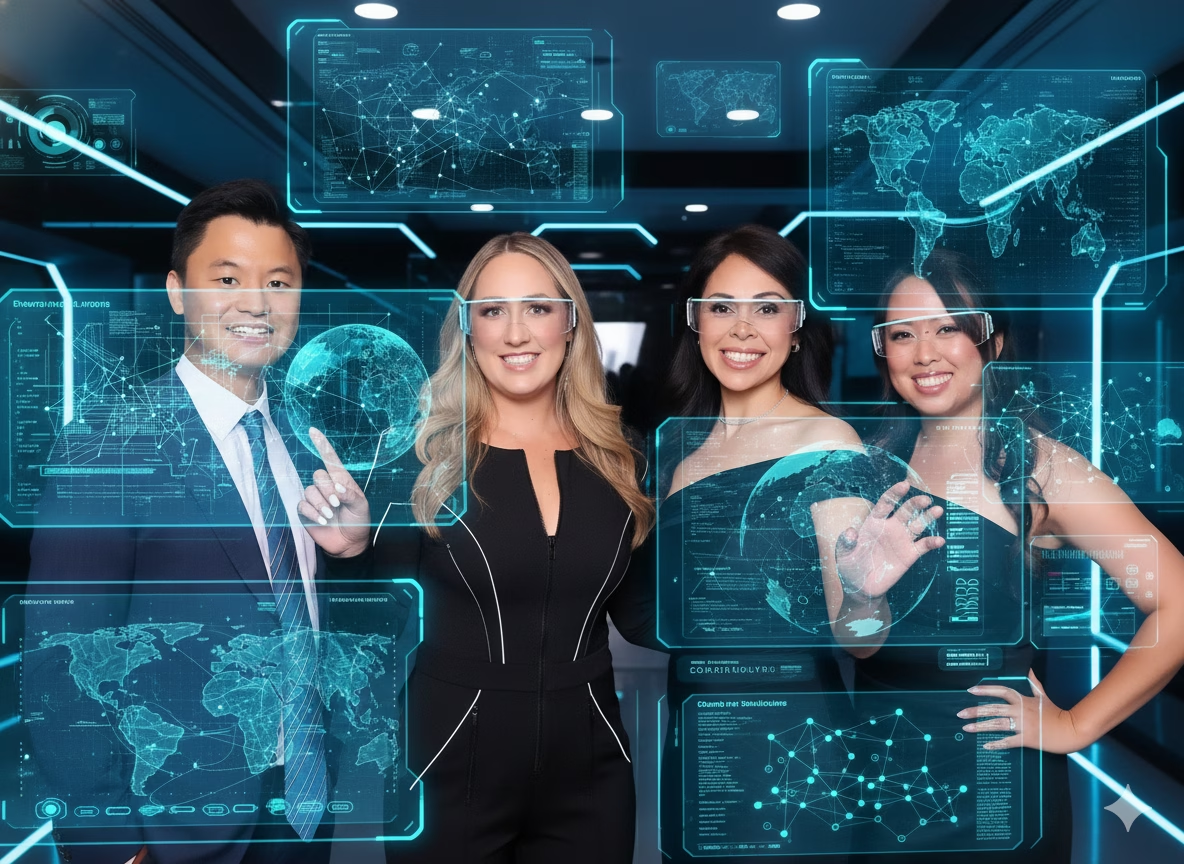
The appeal is partly about surprise. Guests know what a normal portrait looks like. They do not know exactly how they will look as the lead character in a campaign scene, a stylized executive portrait, or a themed piece of digital art. That anticipation creates a natural pause point on the event floor.
Still, novelty should not replace usability. Your guest experience should answer four questions quickly: what am I doing, how long will it take, what will I receive, and what information am I being asked to provide? Clear instructions reduce abandoned sessions and help attendants focus on hospitality rather than repeated troubleshooting.
Vendor claims can help establish a starting point, but they should not replace a live workflow discussion. Pasadena Convention Center service, QR or SMS delivery, turnaround in under 60 seconds, and both digital and printing packages. Treat those as advertised conditions to validate against your selected design, guest count, and venue network plan.
Planning The Booth For Pasadena Convention Center
Start With Venue Approval And Footprint
The Pasadena Convention Center is listed at 300 East Green Street and is presented by the Pasadena Chamber of Commerce as a venue for meetings, trade shows, weddings, and corporate events in its event and wedding production directory. That establishes the venue context, not a universal AI booth rulebook.
Before signing a booth agreement, ask the venue and your event manager about the approved vendor process, loading schedule, insurance requirements, available power, internet options, fire code constraints, and allowed footprint. These details can vary by room, show organizer, exhibit hall layout, and service provider.
Fair warning: do not assume a booth can arrive at show opening and roll directly into place. A large print station, backdrop, lighting kit, or branded set may need scheduled loading access. A compact roaming or open air digital booth may be easier to place in a reception area, but it still needs a stable operating location and a plan for guest lines.
Build A Guest Flow, Not Just A Booth Setup
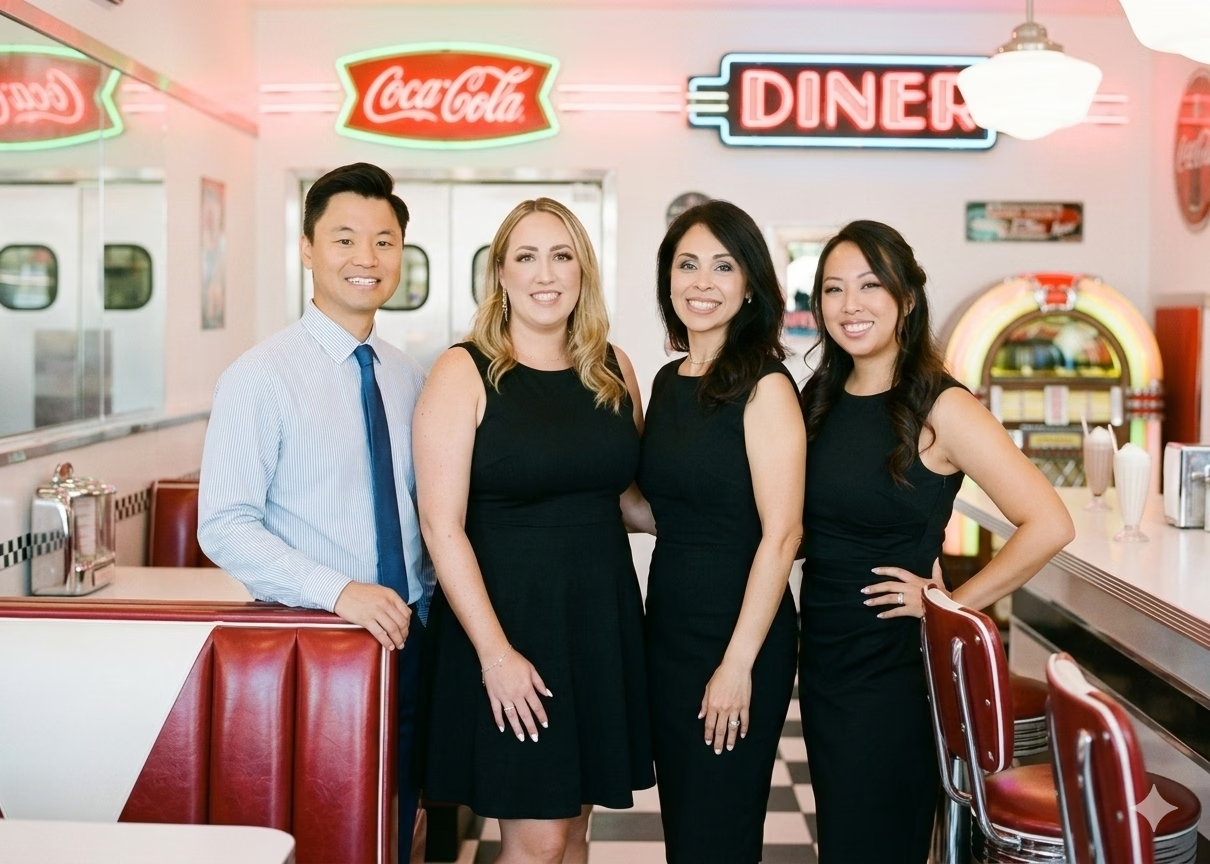
Throughput is the number of completed guest experiences your activation can support over time. It depends on more than AI generation speed. The full interaction includes approaching the booth, reading instructions, selecting an option, taking the photo, generating the image, approving it, entering contact details if required, and receiving the file or print.
Use a conservative model when attendance matters. Consider this example: if one complete guest interaction averages two minutes, a single station theoretically supports about 30 completed sessions per hour. In reality, groups, questions, retakes, accessibility needs, and peak traffic reduce that number. If your booth is expected to serve a lunch rush or a keynote exit crowd, one station may not be enough.
Workflow Element | Effect On Capacity | Planning Response |
|---|---|---|
One person portrait | Usually fastest | Use for headshots and high volume lead capture |
Group photo | More posing and retakes | Add clear floor markers and allow extra time |
Multiple AI styles | Increases decision time | Offer two or three curated options |
Physical printing | Adds output handling and replenishment | Include printer staffing and a backup plan |
Detailed lead form | May slow completion | Ask only for data your team will use |
Peak trade show traffic | Creates short, intense queues | Add staff, duplicate stations, or timed incentives |
A well designed queue is part of the activation. Place a monitor where waiting guests can see recent outputs. Use signage that explains the payoff in one sentence. Keep the line away from neighboring exhibitors and emergency paths. If the experience requires consent or marketing permissions, let attendees read those terms before they reach the capture point.
Confirm Power, Internet, And Failure Fallbacks

AI image processing may rely on an internet connection, depending on the vendor’s technology and selected effect. QR delivery, SMS delivery, online galleries, and lead capture can also depend on connectivity. Ask whether the system can capture photos during an outage, queue jobs for later processing, or switch to a simpler digital workflow.
Your agreement should describe what happens if one component fails. A sensible recovery plan includes:
- Network interruption: Continue capturing photos locally when possible, then process or deliver queued images after service returns.
- AI processing delay: Offer a standard branded portrait or delayed delivery message rather than leaving guests without an outcome.
- Printer issue: Shift to digital delivery while the attendant resolves the printer problem.
- SMS or QR failure: Give guests a short retrieval code, email option, or gallery link process where appropriate.
- Hardware issue: Identify whether a backup camera, tablet, lighting unit, or alternate station is available.
You should also ask who owns the guest communication if delivery is delayed. A generic “we will send it later” message is not enough. The guest needs a clear expectation and a route to retrieve the image without rejoining the line.
For a broader venue focused checklist, use this AI photo booth Pasadena Convention Center guide.
Comparing Cost, Staffing, And Capacity
Compare Packages By Inclusions, Not Starting Price
AI photo booth pricing can look inconsistent because vendors bundle different elements. Two three hour packages may differ in staffing, setup time, print quantity, custom design depth, data capture, delivery method, and overtime terms. A lower quote may be appropriate for a simple digital station, while a higher quote may include a custom AI scenario, professional lighting, printer, onsite management, and post event data delivery.
One vendor’s published Pasadena pages illustrate why decision makers should compare line items carefully. AI booth starting price and states that Pasadena events have no travel surcharge, while its dedicated AI page advertises a different digital only starting package. The difference does not automatically indicate a problem; it shows why you should confirm the exact assumptions behind every quote.
Cost Component | Questions To Ask | When It Matters Most |
|---|---|---|
Booth operating time | Does the quoted time include setup and breakdown? | Short receptions and limited exhibit hours |
Staffing | Is an attendant included for all operating hours? | High traffic, prints, lead capture, and VIP events |
Creative customization | Are AI styles, overlays, and screens custom built? | Campaign launches and brand activations |
Printing | How many prints are included and who restocks media? | Weddings, galas, and souvenir driven events |
Lead capture | What fields are collected and how is data exported? | Exhibitors with sales follow up goals |
Overtime | What is the hourly rate and minimum extension? | Programs near keynote or reception end times |
Connectivity | Is dedicated internet included or required? | Cloud based transformations and live delivery |
Choose Staffing Based On Risk, Not Just Budget
An unattended booth can work for a simple, low stakes internal event with a short interaction. At a convention, staffing is often worth the investment. An attendant can invite hesitant guests, keep the line moving, explain consent choices, monitor equipment, restock prints, and catch issues before they become visible to a crowd.
For a corporate activation, consider a two role model during peak periods. One person manages guest engagement and line flow. Another handles troubleshooting, lead capture questions, and output delivery. You may not need two attendants for the entire event, but the busiest hour is usually not the time to operate with minimal support.
If lead generation is a core objective, align your booth team with your sales team. A booth attendant should not pressure guests into marketing consent. Instead, the experience can offer a clear optional path: receive the image with no marketing subscription, or choose a separate opt in for product updates, demo scheduling, or a giveaway.
Make Data Collection Useful And Defensible
Lead capture can be valuable, but collecting more data than your follow up team can use creates friction and privacy risk. Start with the minimum information necessary for the campaign. Email may be enough for a post event gallery or sweepstakes entry. A phone number may be appropriate for SMS delivery only if the guest clearly understands what will be sent and whether marketing messages are separate.
Ask the vendor these questions before launch:
• Which party controls the photos and contact records?
• Where are AI generated images processed and stored?
• Can guests request deletion, and how is that request handled?
• How long are galleries, contact records, and raw photos retained?
• Are marketing permissions separate from service delivery consent?
• Will your team receive a CSV export, and what fields will it contain?
Confirm field definitions, delivery timing, consent language, and CRM import requirements before treating any exported list as campaign ready.
If your brand is hosting a hospitality event elsewhere in Pasadena as part of the same program, the planning approach in this AI photo booth rental at The Langham Huntington Pasadena resource can help you compare venue specific needs.
Key Takeaways For Event Decision Makers
Use The Booth To Solve A Specific Event Problem
Choose an AI photo booth because it serves a clear purpose, not because AI is in the name. It can attract attention to an exhibit, create a visual reason to register, give attendees a useful headshot, reinforce a campaign theme, or produce optional leads for sales follow up.
Avoid an overly complex build if your real need is rapid group photos during a packed reception. In that case, a conventional branded booth with quick prints may deliver more value. Choose AI when the transformation is central to the experience and you can support the extra interaction time.
Approve The Details Before The Event Floor Opens
Your final review should cover these decisions:
• The exact AI styles guests can choose
• The approved visual treatment for diverse guests and group photos
• The interaction time target and peak traffic plan
• The booth footprint, power plan, internet approach, and loading schedule
• The inclusion of attendants, printer supplies, and overtime rules
• The consent language, data retention process, and lead export format
• The fallback process for AI processing, delivery, printing, and hardware failures
Conclusion
A successful AI photo booth Pasadena Convention Center activation feels easy to guests because the difficult work happened before the doors opened. You have already matched the creative idea to the event goal, tested the guest flow, clarified data permissions, and planned for technical interruptions.
Request a detailed proposal that separates creative design, booth time, staffing, printing, delivery, lead capture, and contingency support. That level of clarity gives you a better chance of producing an experience attendees remember for the right reasons.
Frequently Asked Questions
What Is An AI Photo Booth At The Pasadena Convention Center?
It is an interactive photo experience that captures attendee portraits and uses AI to create a styled or branded output. Depending on the setup, guests may receive a digital image, an onsite print, a professional headshot, or a themed portrait that supports your event campaign.
How Much Does An AI Photo Booth Cost For A Pasadena Convention Center Event?
Cost depends on operating hours, staffing, customization, prints, data capture, and equipment needs. Published starting prices can be useful benchmarks, but they are not directly comparable unless the inclusions match. Request an itemized quote and confirm setup time, overtime, and technology requirements.
Does An AI Photo Booth Include An Attendant?
Some packages include onsite staff, while others may offer self service operation. For trade shows, large conferences, print programs, or lead capture, an attendant is usually a practical choice because it supports guest flow and resolves issues quickly.
How Many Attendees Can One AI Booth Handle?
There is no reliable universal number. Capacity depends on the complete interaction length, not just AI generation time. A short individual portrait session can move faster than a group session with multiple styles, printed copies, and a detailed lead form. Plan around peak traffic and consider a second station for high volume periods.
Can The Booth Print Photos Onsite?
Many providers offer print capable packages, but printing should be confirmed in writing. Ask about print size, print quantity, replenishment, printer backup, and what happens if printing fails. Digital delivery is often the best fallback option.
Can An AI Booth Collect Email Addresses Or Trade Show Leads?
Yes, many trade show programs can collect contact details and provide a spreadsheet compatible export. Use a clear consent design, collect only the information you need, and separate image delivery consent from optional marketing communications.
What Happens If Venue Wi Fi Or AI Processing Fails?
The answer depends on the vendor’s system. Ask whether the booth can capture images offline, queue processing requests, switch to standard branded photos, or deliver images later. Make sure the recovery message is clear so guests know how they will receive their content.
What Should Be Included In The Contract?
Your contract should define operating hours, setup and breakdown timing, staffing, creative approvals, booth footprint, power and internet assumptions, print terms, lead data ownership, retention and deletion practices, cancellation terms, overtime, and failure fallback procedures. Specificity protects both the event team and the vendor.