AI Photo Booth Beverly Hills The Beverly Hills Hotel Guide
Introduction
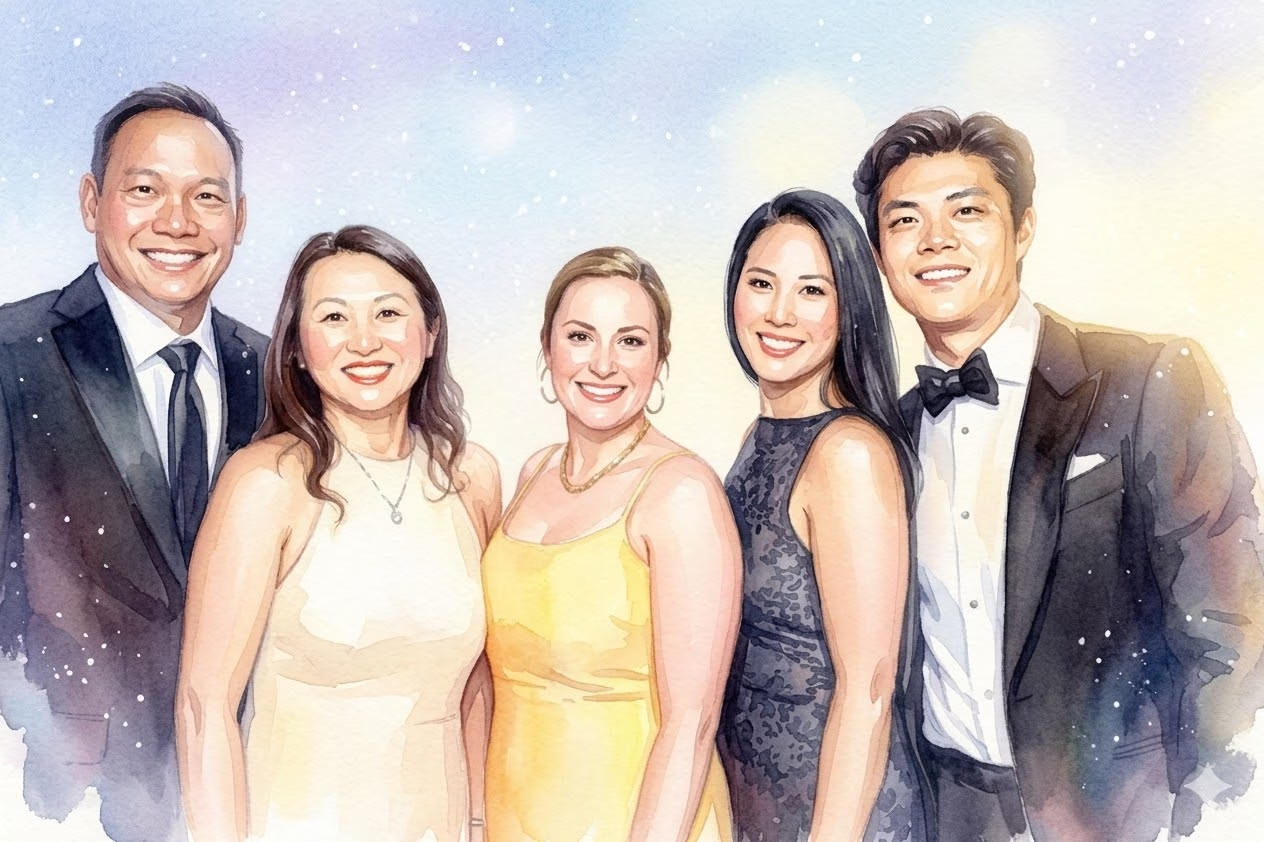
For an AI photo booth Beverly Hills The Beverly Hills Hotel event, the goal is not simply to place a camera in a ballroom. You are creating a polished guest moment that has to feel at home among the hotel’s palm lined glamour, polished hospitality, and high expectations.
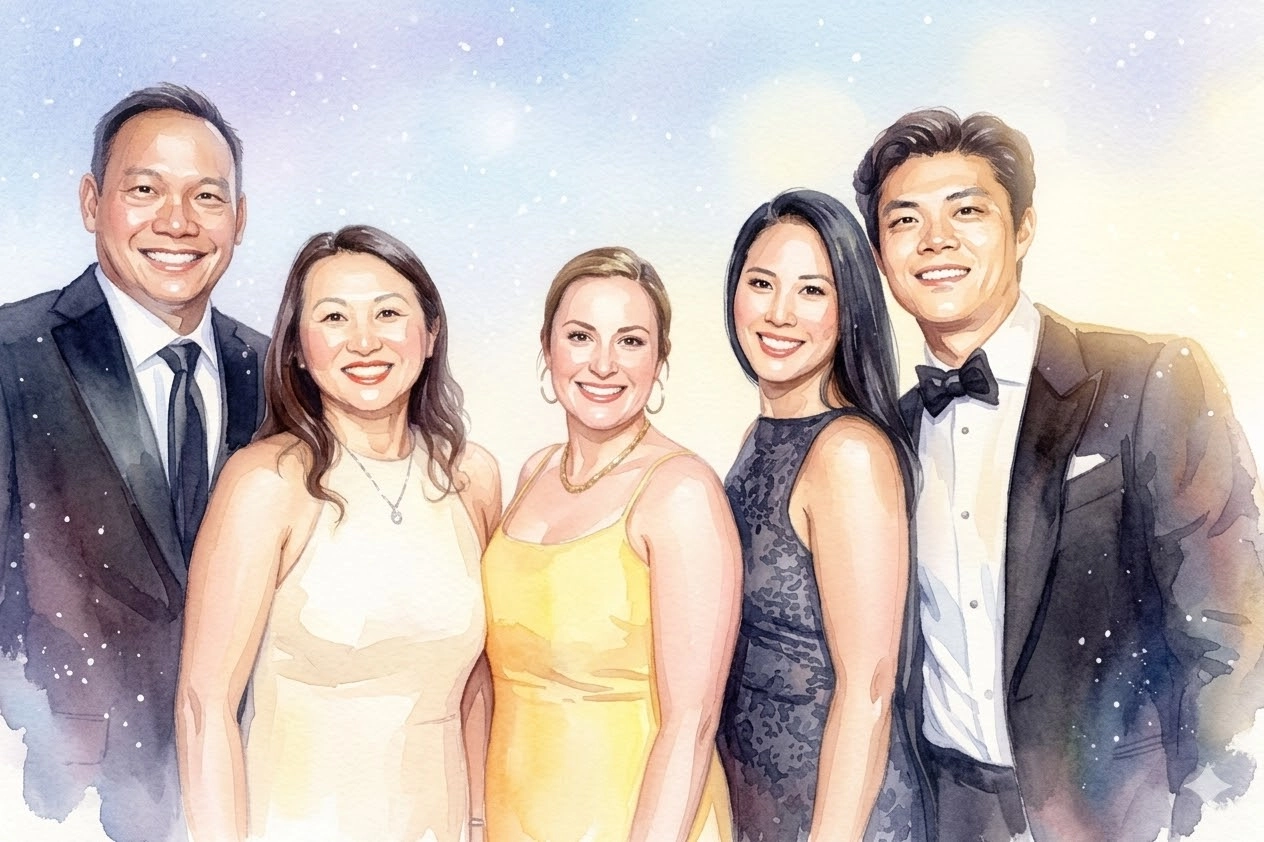
An AI photo booth can turn a guest portrait into an editorial fashion image, a classic Hollywood inspired scene, a lush garden fantasy, or a brand controlled campaign visual in moments. Done well, it gives your guests something more memorable than a standard event photo. Done carelessly, it can create lines, awkward outputs, privacy questions, or a setup that clashes with the room.
The smartest approach is to treat the booth as part of the event design and production plan. That means choosing the right format, confirming hotel requirements early, building a controlled visual direction, and preparing for the occasional reality of weak connectivity or a busy cocktail hour.
Table Of Contents
TL;DR
An AI photo booth can suit The Beverly Hills Hotel beautifully when it is designed as a curated portrait experience, not a generic novelty. Prioritize venue approval, a controlled AI style, staffed guest support, clear consent choices, and a practical backup plan for power, connectivity, and image delivery.
Key Takeaways
• Choose an AI booth when editorial portraits, branded storytelling, and digital sharing matter more than spectacle alone.
• Confirm the exact event room, load in route, insurance needs, power access, and approved setup location with the hotel before finalizing equipment.
• Build one or two tightly governed visual treatments instead of offering an unlimited menu of AI effects.
• Plan guest flow around actual capture and generation time, not only the claimed processing speed.
• Use an attendant for galas, executive events, weddings, and brand activations where guest service and presentation matter.
Designing The Experience
What Makes An AI Booth Different
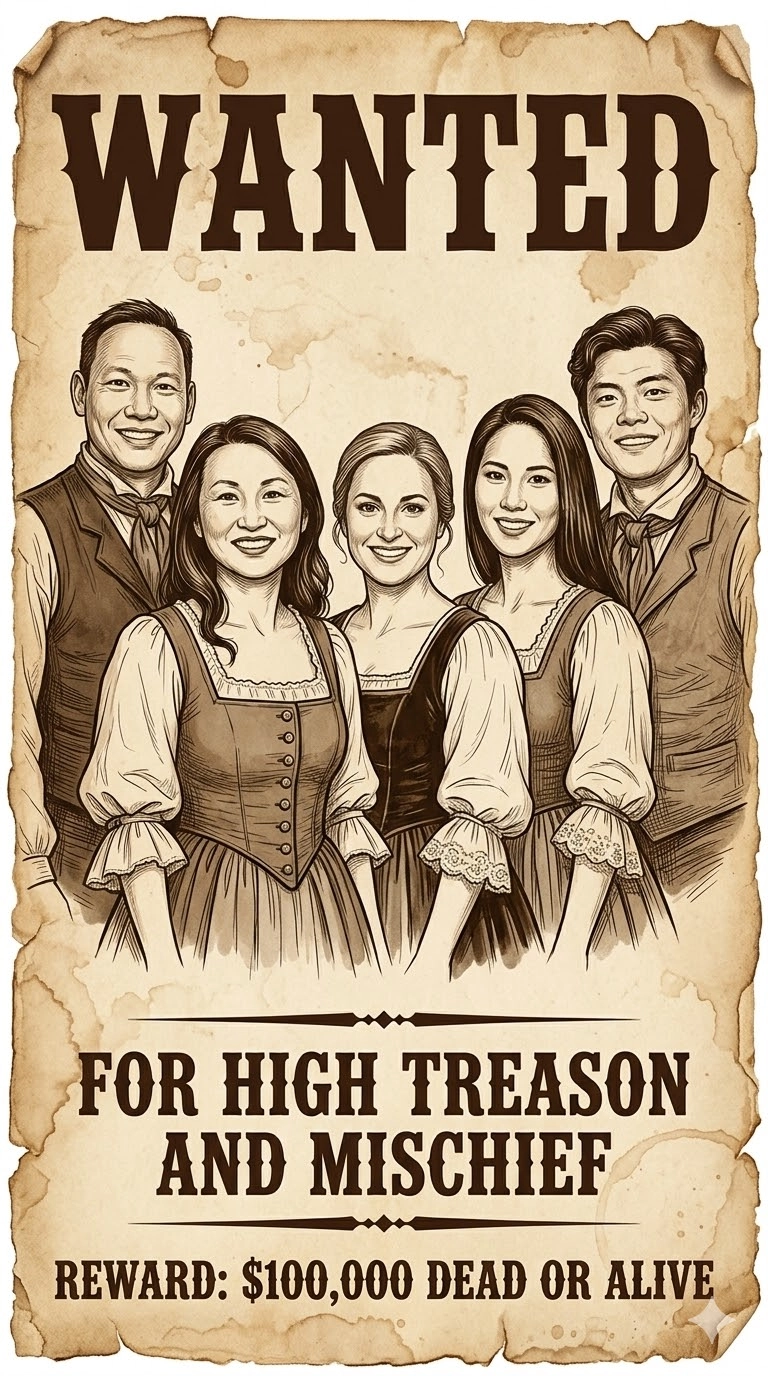
An AI photo booth begins with a real guest photo, generally captured using a camera, lighting, and a guided interface. The system then applies an automated transformation based on a selected visual direction. Depending on the setup, that may change wardrobe styling, background, color treatment, composition, or the broader story of the image.
The key distinction is that the result is not merely a filter placed on top of a photo. The software interprets the portrait and generates a new stylized version.
For The Beverly Hills Hotel, that capability is useful because the visual concept can be more intentional. A private dinner might call for soft flash portraiture and a restrained pink and green palette. A beauty launch could use a glossy magazine cover treatment. A charity gala may prefer formal black tie imagery with a subtle, branded step and repeat effect.
The strongest creative direction is usually specific but not overly literal. You do not need to imitate the hotel’s design details or imply an endorsement. Instead, use a concept that feels compatible with the occasion: _garden party editorial_, _mid century California evening_, or _cinematic Beverly Hills portraiture_.
Build A Style System, Not A Random Effect Menu
AI works best when you give it boundaries. An open ended prompt library can produce inconsistent portraits, distorted accessories, odd text, or styling that does not belong at the event. That risk grows when guests are asked to choose from dozens of wildly different scenes while a queue forms behind them.
Create a style system before the event. It should define the following elements:
• Portrait treatment: Decide whether the image should look like a studio editorial, a film still, a watercolor fashion illustration, or a surreal fantasy portrait.
• Color direction: Limit the palette to the event’s core colors, such as ivory, emerald, blush, black, or metallic gold.
• Background rules: Specify whether backgrounds should stay clean, floral, architectural, abstract, or brand led.
• Wardrobe sensitivity: Avoid transformations that dramatically alter formalwear, cultural dress, or recognizable uniforms unless that is explicitly part of the concept.
• Copy controls: Keep generated words and logos out of the AI scene. Add approved event branding later as a fixed overlay, where spelling and placement can be controlled.
For example, a luxury skincare event could capture guests against a refined neutral backdrop and generate softly lit, botanical editorial portraits. The final file can receive a small approved campaign mark after generation. That protects the brand from garbled AI lettering while preserving the feeling of a bespoke image.
If your event includes executives, talent, creators, or regulated brand partners, ask to review sample outputs with diverse faces, glasses, hats, varied skin tones, and formal attire. A look that succeeds on one test portrait may fail on another. That is not a reason to avoid AI. It is a reason to test it like any other campaign asset.
Match The Booth To The Moment In The Room
The Beverly Hills Hotel can host very different occasions, from intimate private celebrations to polished corporate receptions. Your booth should serve the rhythm of the room.
At a seated dinner, position the experience near a transition point so guests visit between courses or after dessert. At a cocktail reception, the booth can work as an anchor in a lounge area, but it needs enough visual separation that a crowd does not spill into service paths. For a launch event, consider a scheduled opening burst with an attendant actively inviting guests through the experience before the room becomes too busy.
A relevant local signal is that Lucky Frog Photo Marketing’s Beverly Hills venue page lists The Beverly Hills Hotel among locations where its booth has been used. That is helpful context, but it should not be treated as blanket approval for every room, floor plan, or event type. Hotel operations can vary by event space, date, access conditions, and the specific equipment involved.
For budget planning beyond the booth itself, review Luxury AI Photo Booth Cost in Beverly Hills alongside your broader production estimate. At a luxury hotel, cost is shaped by staffing, printing, custom development, delivery access, setup windows, and whether the activation needs a larger scenic footprint.
Choosing The Right Booth Format
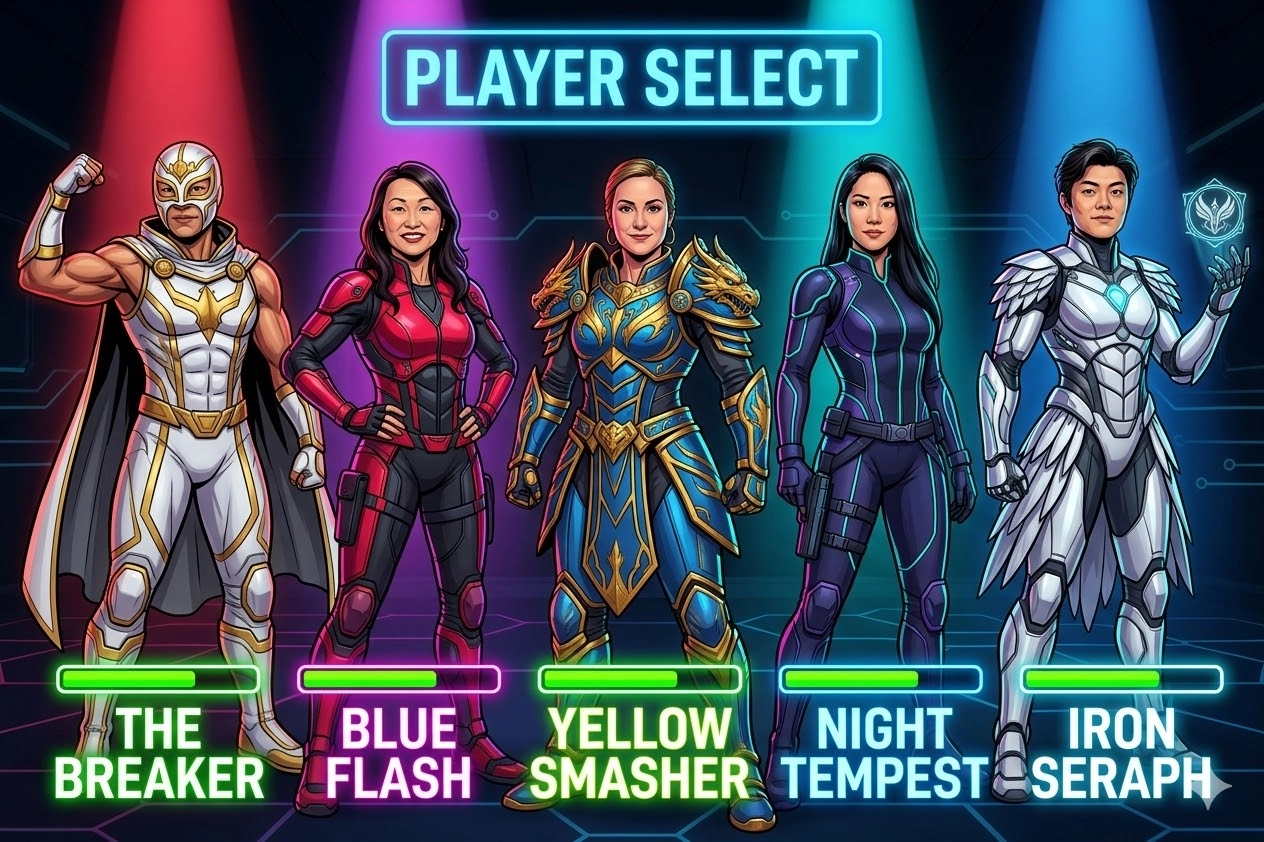
AI Booth, Mirror Booth, Or 360 Booth?
There is no universally superior format. The right choice depends on what you want guests to remember and what the room can comfortably support.
Format | Best Fit At The Beverly Hills Hotel | Primary Strength | Watch Out For |
|---|---|---|---|
AI photo booth | Brand launches, galas, editorial weddings, VIP receptions | Personalized, shareable portraits with strong creative control | Processing time and style governance need planning |
Mirror booth | Formal dinners, weddings, classic celebrations | Full length interaction, touchscreen guidance, instant print appeal | Less transformative than AI and can require more physical presence |
360 booth | High energy launches and nightlife adjacent events | Motion driven content and social spectacle | Larger operating zone, noise, movement, and crowd management |
Standard open air booth | High volume gatherings with simple needs | Familiar workflow and reliable portraits | May feel less distinctive for a premium concept |
A mirror booth may be the better choice if you want a full length keepsake, visible touchscreen interaction, and a familiar print based ritual.A comparable format with touchscreen guidance, digital signatures, animations, and instant prints.
Choose an AI booth when the image itself is the event souvenir. It is especially effective when your campaign has a visual world that guests want to step into. Avoid making it the only attraction if your audience expects a kinetic, performance oriented activation. A 360 booth may create more visible energy, while AI creates a more personal reveal.
Digital Delivery, Prints, And The Value Of Both
Digital delivery is fast, low friction, and ideal for branded sharing. Guests can access an image through a QR code or text message, then save it, post it, or revisit it after the event. Prints offer a different kind of value: something tactile that guests can place in a gift bag, sign, or take home from a wedding weekend.
The decision is not purely aesthetic. Printing introduces a physical production layer. You need printer capacity, paper and ink reserves, a sensible pickup area, and a plan for reprints. During a busy rush, a printer can become the bottleneck even when AI generation is moving smoothly.
For many luxury events, a hybrid setup is the practical answer. Deliver the AI portrait digitally to every guest, while offering a smaller number of premium print designs at the booth. That keeps the line moving and makes the print feel intentional rather than disposable.
For local market context, starting points of $1,500 for three hours of digital only service and $2,500 for three hours with on site printing. It also states that guests may receive images in under 60 seconds through text or QR delivery and describes self serve use with optional attendant support. Those are useful benchmarks, not a promise for every custom hotel installation.
Throughput Is About The Whole Journey
A claimed image delivery time of under a minute does not mean one guest takes under a minute. A realistic guest journey includes stepping in, reading instructions, posing, choosing a style, capturing, waiting for generation, reviewing, and sharing.
For a conservative planning model, allow roughly two to four minutes per guest interaction when the AI booth is a major attraction. Couples and groups may take longer, especially if they want retakes. That means a single station can feel comfortable for a smaller reception but may develop a line during a 200 person cocktail hour.
Use these decisions to protect flow:
- Set a default style before guests arrive, rather than requiring a choice every time.
- Limit groups to a workable size based on the camera framing and effect design.
- Use a greeter or attendant to explain the experience before guests reach the capture point.
- Place a display screen where waiting guests can see finished portraits. It builds interest without requiring them to crowd the operator.
- For high volume events, consider two capture stations or a separate gallery screen rather than making every guest wait at the booth.
For more format and planning context, AI Photo Booth Rental in Beverly Hills can help you compare the experience against your event goals before committing to a layout.
Managing Hotel Logistics And Guest Flow
Confirm Venue Requirements Before You Sign
There is no publicly verified, one size fits all checklist for AI photo booth operations at The Beverly Hills Hotel. That matters. A vendor saying it serves Beverly Hills, or has worked at the property, does not confirm your event’s exact access rules.
Ask the hotel event contact and vendor to align on the following before the event date:
• Load in timing and route: Confirm when equipment can enter, which entrance is authorized, elevator availability, and whether carts need advance approval.
• Setup location: Verify the booth’s footprint, ceiling clearance if lighting is elevated, guest circulation, and proximity to food service, exits, and entertainment.
• Power: Identify dedicated outlets and avoid relying on shared circuits that may also support catering or production equipment.
• Internet: Confirm whether guest Wi Fi, vendor Wi Fi, or a dedicated connection is available. Do not assume a ballroom signal will be stable once the room fills.
• Insurance and vendor documentation: Ask what certificate of insurance, additional insured language, labor rules, or security procedures apply.
• Strike timing: Confirm how quickly the setup must be removed after the event and whether overnight storage is possible.
A typical compact booth may need a modest portrait area, but the actual footprint expands once you include a queue, attendant position, printer table, power cable protection, and room for guests to view images. A setup that appears to fit in a six foot corner on a floor plan may need considerably more usable space in real life.
Protect Privacy Without Making The Experience Feel Formal
AI portraits raise an obvious question: what happens to the image after the event? Luxury hospitality guests, executives, and public figures may have different comfort levels around sharing.
Your consent workflow should be simple and visible. At minimum, tell guests that their image will be captured and transformed, explain whether they can receive it privately, and make social sharing opt in rather than assumed. If the event plans to display a live gallery, use that only when the host has decided it is appropriate and guests have been clearly informed.
A thoughtful workflow can include:
• A brief on screen notice before capture.
• A clear option to receive the photo privately without posting.
• A choice to decline inclusion in a live gallery or marketing recap.
• A documented retention period agreed upon by the host and vendor.
• A staffed escalation path if a guest asks for an image to be deleted.
Consider a celebrity adjacent gala. A guest may happily take an AI portrait but not want a phone number used for delivery, nor their image appearing on a public monitor. QR delivery to a private landing page, combined with a no gallery choice, may be better than automatic text collection in that scenario.
Create A Real Fallback Plan
Fair warning: AI effects depend on a chain of technology. Camera hardware, local software, power, internet access, cloud processing, delivery tools, and printer hardware can each affect the final guest experience.
A reliable plan separates the capture process from the enhancement process. If processing slows, the booth should still be able to take a clean original portrait. If Wi Fi fails, staff should know whether images can be queued locally, delivered later, or accessed through a private gallery after service is restored. If the AI effect becomes unavailable, switch to a pre approved glam treatment, branded overlay, or standard studio portrait instead of leaving guests with nothing.
Discuss three recovery questions with the vendor:
- Can the booth capture and save original photos without internet access?
- What visual experience replaces AI generation if processing is interrupted?
- Who communicates the change to guests, and how are delayed images delivered afterward?
This is where a trained attendant earns their place. Self serve can work for a relaxed daytime activation, but a staffed booth is generally the steadier choice for a formal event. The attendant can manage retakes, explain privacy choices, encourage the queue, reset the technology, and preserve the calm, polished tone expected in the room.
If your event seeks another technology led keepsake beyond portraits, an AI Drawing Bot at Beverly Hills Hotel can complement rather than replace a photo experience. The two formats have different pacing: portraits are immediate and social, while a drawing experience can feel more like a personalized collectible.
Frequently Asked Questions
Booking And Space Questions
Can An AI Photo Booth Work At The Beverly Hills Hotel?
Yes, it can work well when the event team, hotel, and vendor agree on the specific room, setup area, power, access schedule, and staffing plan. The hotel’s atmosphere makes curated editorial portraits a natural fit, but compatibility should be confirmed for your individual event rather than assumed from a vendor service area claim.
How Much Space Does An AI Photo Booth Need At A Luxury Hotel?
The capture station itself may be compact, but plan for more than the equipment footprint. You need room for the backdrop or lighting, attendant, guest queue, cable protection, optional printer, and a comfortable exit path. Ask for a scaled floor plan from the vendor, then have the hotel event contact confirm that the proposed placement does not interfere with service or safety requirements.
Does The Booth Need Wi Fi Or Can It Run Offline?
This depends on the specific platform. Some systems need internet access for AI generation and digital delivery, while others may capture locally and queue work until connectivity returns. Ask for a written explanation of the offline fallback before booking. A strong setup can still capture original portraits if online processing is temporarily unavailable.
Is An Attendant Included Or Is It Self Serve?
Both models exist. Self serve can suit lower touch events, but attendant support is usually preferable for luxury hospitality, VIP guests, and busy receptions. The attendant does more than troubleshoot: they protect guest flow, explain the visual concept, and keep the experience gracious rather than transactional.
Creative And Guest Experience Questions
Can The Booth Match A Luxury Or Editorial Event Theme?
Yes. The best results come from a limited, carefully tested visual concept with approved colors, backgrounds, overlays, and prompt rules. Ask to see sample outputs before the event, especially if your guests will wear formal attire, distinctive accessories, or branded wardrobe.
Is An AI Booth Better Than A Mirror Booth Or 360 Booth?
Choose AI for stylized portrait storytelling and branded image transformation. Choose a mirror booth for familiar, full length interaction and instant prints. Choose a 360 booth for movement and high energy video content. The right format depends on whether your priority is a refined portrait, a tangible keepsake, or visible spectacle.
What Happens If Guests Do Not Want Their Images Shared?
They should be able to receive their image privately or decline delivery entirely. Set this expectation before the event. Your vendor should be able to explain whether images appear in a live gallery, how long files are retained, and how deletion requests are handled.
Conclusion
Make The Booth Feel Like Part Of The Event
The right AI photo booth at The Beverly Hills Hotel should feel less like a machine in the corner and more like a small portrait studio built around your event’s point of view. Keep the creative direction disciplined, the guest path simple, and the operations plan realistic.
Plan The Details That Guests Never See
The polished result depends on the invisible work: venue approval, power, connectivity, consent, staffing, and fallback decisions. Confirm those early, and your guests are far more likely to remember the reveal of a beautiful portrait rather than the mechanics behind it.
When implementing new technology, event planners should review guidelines on AI and your business to ensure transparency and ethical data practices.
When implementing new technology, event planners should review guidelines on AI and your business to ensure transparency and ethical data practices.
When implementing new technology, it is essential to follow best practices for AI and your business to ensure transparency and consumer trust.