AI Drawing Bot Beverly Hills Hotel: A Luxury Event Guide
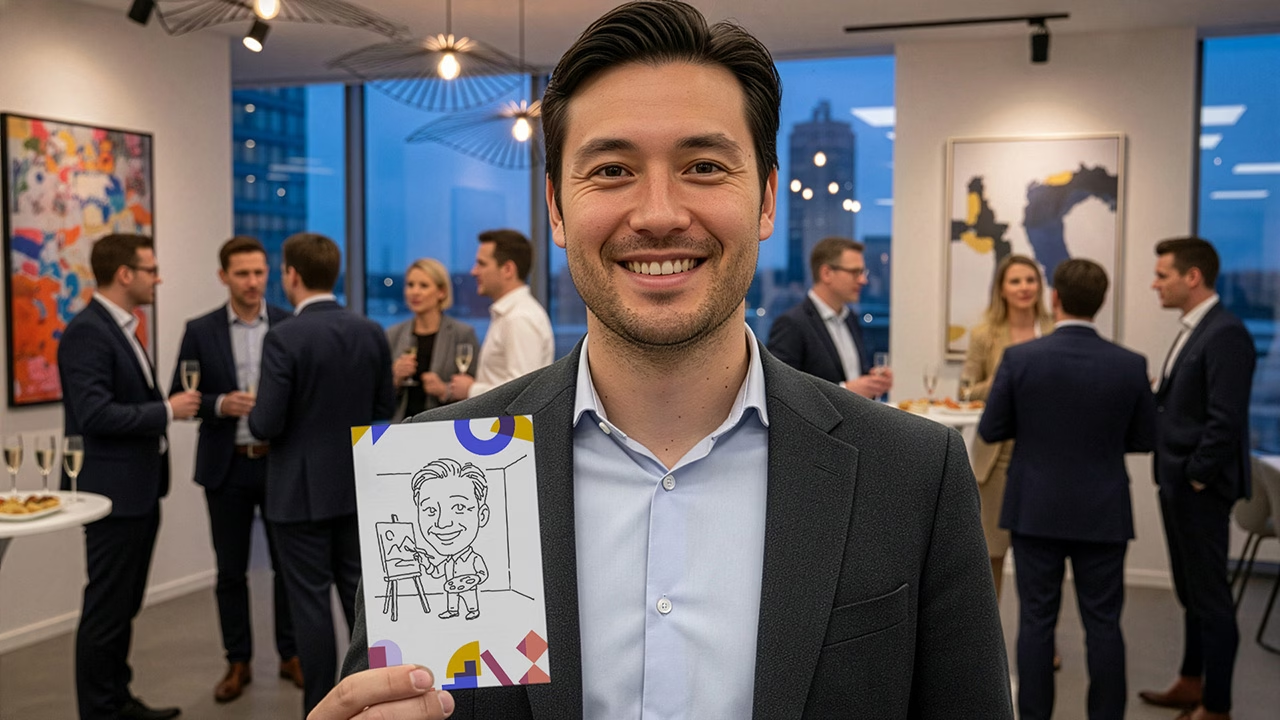
An AI Drawing Bot Beverly Hills Hotel search can mean several things: a robotic portrait activation planned for a luxury hotel event, a vendor concept for the Beverly Hills market, or a mix of venue and technology terms. I found no official evidence that this exact phrase identifies a permanent program at The Beverly Hills Hotel. Still, the concept itself is clear: guests sit or stand for a quick portrait, software interprets the image, and a machine creates a stylized sketch digitally or physically with a pen.
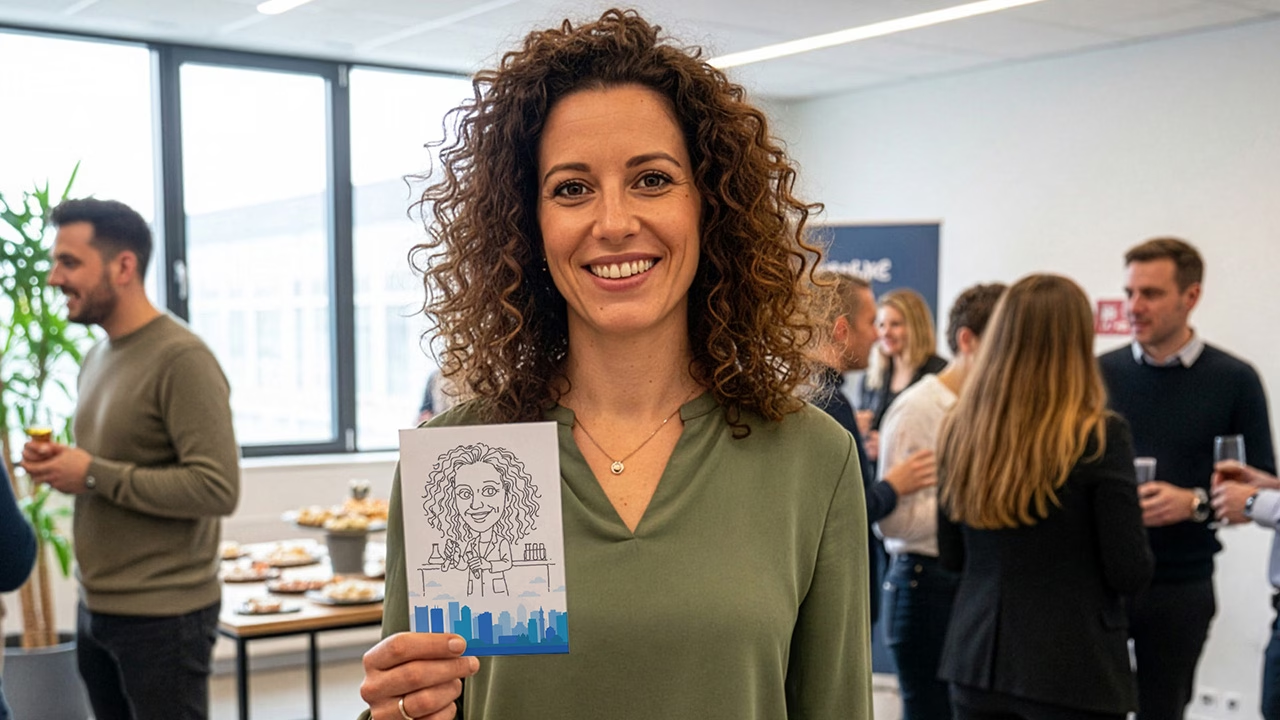
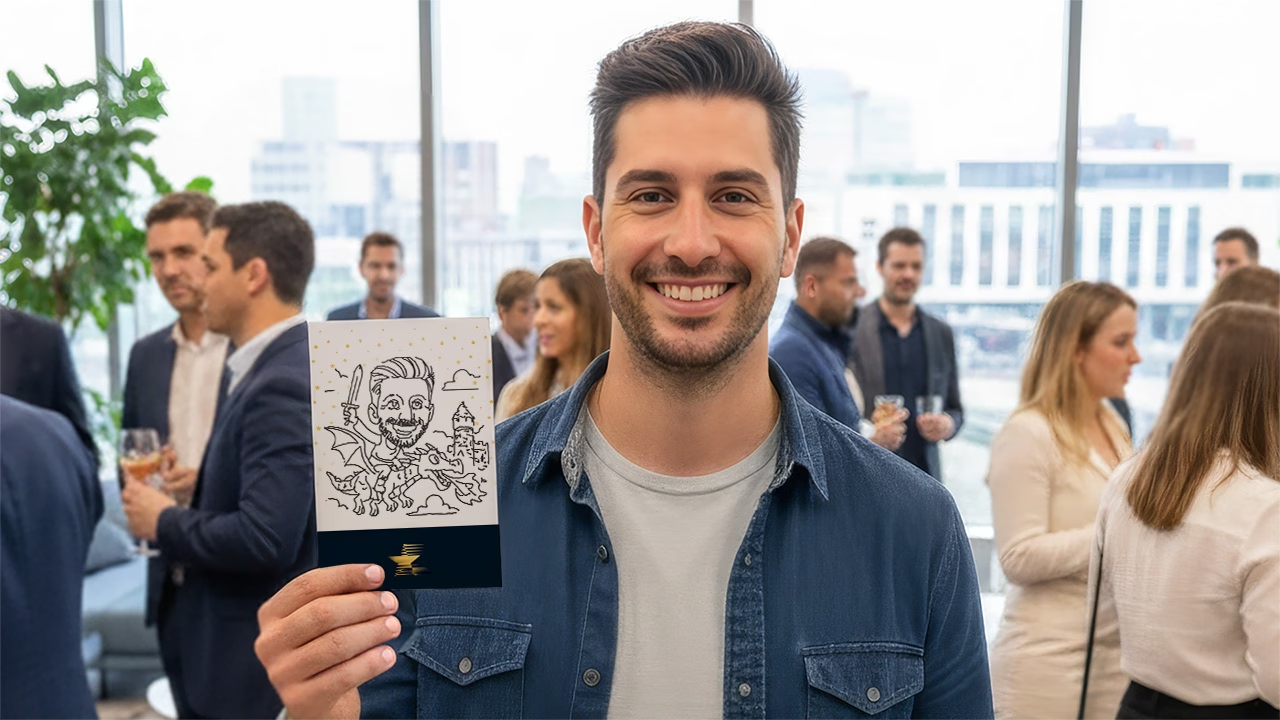
For a hotel gala, wedding, brand dinner, or corporate reception, the appeal is not simply that a robot can draw. It is the small piece of theater around the portrait. A guest watches lines appear on paper, receives a keepsake, and leaves with something more personal than a standard event photo. Whether that feels suitably polished for Beverly Hills depends on planning, output quality, privacy, and the way the station fits into the room.
Table Of Contents
- What An AI Drawing Bot Actually Does
- Designing The Experience For A Luxury Hotel
- Choosing The Right Format And Measuring Results
- Key Takeaways
- Frequently Asked Questions
- Sources And References
What An AI Drawing Bot Actually Does
It Is Not One Single Type Of Attraction
An AI drawing bot can describe two very different experiences. The distinction matters because the guest experience, pace, and budget logic may be very different.
Format | What The Guest Sees | Final Output | Best Fit |
|---|---|---|---|
AI image booth | A camera capture and screen based style selection | Digital portrait, print, or both | Fast receptions and social sharing |
Robotic sketch artist | A mechanical arm moving a pen or marker across paper | Physical hand drawn style sketch | Smaller luxury activations where theater matters |
Human caricature artist | An artist interpreting a guest in real time | Original paper or digital caricature | Events seeking human conversation and expressive variation |
Classic photo booth | A captured photograph with overlays or prints | Photo strip, postcard, or digital gallery | High volume guest capture |
A digital AI image booth may transform a portrait into fashion illustration, editorial ink, watercolor, or another controlled visual treatment in seconds. A robotic sketch artist adds a physical layer: the device translates image data into paths, then draws those paths with a mounted pen. The moving arm becomes part of the entertainment.
That difference changes the expectation. Guests may forgive a playful digital effect that looks slightly surreal. At a formal hotel reception, a physical sketch needs cleaner line work, premium paper, and a style that flatters people consistently. A poorly tuned robot can turn a novelty into an awkward focal point surprisingly quickly.
What Happens Under The Hood
Most systems follow a short chain of actions:
- A camera captures a portrait, sometimes after the guest adjusts framing on a touchscreen.
- Computer vision detects major facial features and separates the subject from the background.
- A machine learning model or image processing workflow converts the photo into a chosen illustration style.
- For a physical robot, software converts the result into drawing paths, deciding where the pen begins, turns, lifts, and darkens a line.
- A robotic arm or plotter draws on paper while the guest watches, or the system prints and sends a digital file.

The most delicate step is not always the AI image generation. It is the translation from image into movement. Fine hair, glasses, low contrast clothing, reflective jewelry, and dim ballroom lighting can complicate facial detection or produce lines that are too dense. A strong setup limits the number of style choices, controls lighting, and uses templates tested for the exact paper size and pen type.
For readers considering a physical portrait station, Drawmatic AI Drawing Robots offers a useful starting point for understanding the category. The central question is not “Is it AI?” It is “Will the finished item look intentional in a guest’s hands?”
Why Beverly Hills Changes The Standard
The Beverly Hills Hotel carries a strong visual association: warm pink tones, lush greenery, old Hollywood glamour, and composed hospitality. That does not require every sketch to imitate the hotel’s style. It does mean the activation should feel edited rather than busy.
A luxury setting often benefits from one or two art directions, not ten. Consider a black ink portrait on heavyweight cream stock with a discreet event monogram. Or choose a refined fashion illustration effect for a beauty launch. In both cases, the output should look like a designed souvenir rather than a novelty printout with random graphics around the edge.
A premium activation earns its place when the guest keeps the portrait because it looks good, not merely because a robot made it.
I would avoid overly exaggerated caricature settings, unpredictable fantasy filters, or styles that change wildly from one guest to the next unless the event itself is intentionally playful. A black tie benefit, for example, may call for restrained line portraits. A fashion week adjacent cocktail event may have more room for bolder editorial treatments.
Designing The Experience For A Luxury Hotel
Plan The Station Around Guest Flow, Not Empty Floor Space
A hotel ballroom can look spacious during load in and feel entirely different once cocktail tables, floral pieces, servers, and 200 guests arrive. The drawing station needs a visible home without becoming a traffic obstruction.
The basic footprint includes more than the robot or kiosk. Allow room for the guest being photographed, the guest watching the drawing process, a short queue, a technician, paper and consumables, and a clear service path. In a lobby, narrow corridors and elevator approaches are poor choices. In a ballroom, placing the station beside the bar may create a long, tangled line. A quieter perimeter near the reception edge is often more workable.
For a robotic system that takes several minutes per portrait, the queue requires active design. A simple sign stating the estimated wait helps. So does a digital waitlist, a host who takes names, or a timed invitation on a guest’s place card. The goal is to prevent people from standing shoulder to shoulder around the equipment while others try to move through the room.
A practical event sequence might look like this:
- A host explains the portrait style and directs the guest to the capture point.
- The guest receives a quick framing check and clear image notice.
- The system begins the drawing or digital transformation.
- The guest receives the finished piece, or a collection instruction if the physical portrait takes longer.
- The host invites the next person forward while the technician watches output quality.
This approach keeps the robot visible as live entertainment while preventing it from becoming a bottleneck. Fair warning: a robot that creates one beautiful portrait every few minutes is not the right anchor attraction for a crowded two hour reception unless capacity is carefully managed.
Accessibility Cannot Be Added At The End
A drawing station should be usable by guests with varied mobility, reach, vision, and dexterity needs. The U.S. Access Board’s ADA Standards for Accessible Design address accessible routes, clear approach space, reach ranges, and operable parts for public facing equipment. For an event station, that translates into a clear route to the kiosk, enough space for a wheelchair user to position comfortably, and touchscreen controls that do not require tight grasping, pinching, or twisting.
This is more than a compliance detail. A guest should not have to stretch around a stanchion, reach over a table, or ask someone else to press every control. If the camera is fixed too high, the portrait may also capture an unflattering angle. Choose adjustable capture equipment where possible, and give the attendant an alternate way to start a session without making the guest feel singled out.
Useful accommodations include:
• A seated or standing capture option
• A lower, reachable touchscreen position
• Large, high contrast on screen instructions
• An attendant assisted route for guests who prefer it
• A digital delivery option when handling a physical print is inconvenient
Privacy Is Part Of The Hospitality Experience
Portrait capture involves personal data, even if the event feels casual. Guests should know that an image is being collected, whether it is stored, how long it remains available, and whether it will be used beyond creating their portrait.
The Federal Trade Commission guidance on clear notice and stated data uses supports the basic principle that businesses collecting images or other personal data should explain the purpose and use data only as described. For hotel events, I would treat marketing permission as separate from participation. “Step up for a portrait” is not the same as “Allow this image to appear in a future campaign.”
The NIST Privacy Framework also supports data minimization and retention planning. A sensible setup collects only what is needed to make and deliver the drawing. If email delivery is optional, guests should be able to receive a print without sharing an address. If files are retained for a gallery, the retention period should be defined before the event, not guessed afterward.
Choosing The Right Format And Measuring Results
Compare The Experience Before Booking It
The best option depends on guest count, event tone, and the kind of memory the host wants guests to carry away.
Decision Factor | AI Drawing Bot | AI Image Booth | Human Caricature Artist |
|---|---|---|---|
Live visual theater | High for physical robot drawing | Moderate | High |
Guest volume potential | Moderate to low | High | Moderate |
Output consistency | High when templates are controlled | High when templates are controlled | Varies by artist and style |
Human conversation | Low to moderate with host support | Low | High |
Luxury fit | Strong with refined materials and styling | Strong for polished digital campaigns | Strong for intimate or artistic events |
Main risk | Mechanical delays and line buildup | Generic looking effects | Uneven pace or style mismatch |
Choose a robot drawn portrait when the act of watching matters as much as the finished art. Choose an AI image booth when you need faster throughput and branded digital sharing. Choose a human caricature artist when personal interaction is central to the event’s tone.
There is no universal winner. A 60 guest luxury wedding might have room for a slow, elegant robot sketch experience. A 500 guest corporate dinner may need digital portraits or a multi station plan. In that second scenario, one physical robot can still work as a VIP moment, but it should not be promised as an instant portrait for every attendee.
For a broader view of how physical and digital portrait outputs can support event mementos, see The Future of Event Keepsakes with AI Drawing Robots.
Ask Vendors About Failure Modes, Not Just Features
A polished demo does not reveal the pressures of a live ballroom. Ask what happens when pens dry out, paper feeds poorly, a drawing surface shifts, lighting changes, the camera loses focus, or the robotic arm needs recalibration. Those are ordinary operational questions, not pessimism.
A premium vendor plan should spell out:
• Whether an on site technician remains for the full activation
• Backup pens, paper, power accessories, and capture equipment
• The expected portrait time and realistic capacity
• A fallback digital output if the physical drawing process stops
• The procedure for a poor or incomplete sketch
• Setup, test, and teardown times coordinated with hotel operations
• Insurance, electrical needs, and venue approval requirements
The recovery plan matters. If a pen jams midway through a portrait, the guest should not be left holding an unfinished page and an apology. A technician can restart on fresh stock, offer a refined printed version, or provide a digital portrait link. The event should feel cared for even when machinery is imperfect.
Measure More Than Applause
“Guests loved it” is useful feedback, but it is not enough to judge an investment. A host can define success before the event through a small set of practical KPIs.
KPI | What It Reveals | How To Use It |
|---|---|---|
Completed portraits | Actual participation | Compare against expected attendance |
Average wait time | Queue health | Add staffing or limit sessions if wait rises |
Completion rate | Whether guests abandon the process | Simplify sign up or shorten the drawing cycle |
Digital share rate | Marketing reach | Evaluate the appeal of the delivery design |
Opt in rate | Voluntary lead capture quality | Keep it separate from the portrait experience |
Guest feedback | Perceived quality and ease | Ask about the output, not only novelty |
For example, a bot may create 70 portraits at a 150 person dinner and still be successful if it was designed as an optional art moment. It may be less successful if 120 people expected one and half left after waiting. Context matters more than a raw total.
A complementary AI Photo Lounge can make sense when the event needs a faster digital experience alongside a slower physical sketch attraction. The key is honest messaging: guests should know which output is immediate and which experience is limited.
Key Takeaways
• An AI drawing bot can mean either a digital AI portrait station or a robot that physically draws, and the two formats have different capacity limits.
• The exact phrase “AI Drawing Bot Beverly Hills Hotel” appears to function more as a venue and market concept than a confirmed named hotel program.
• Luxury fit comes from consistent portrait quality, controlled styling, quality materials, and discreet queue design.
• Accessibility, clear image notices, and limited data retention should be designed into the guest journey from the start.
• The right choice depends on whether the event values physical theater, high guest volume, human interaction, or branded digital sharing.
Frequently Asked Questions
Is An AI Drawing Bot The Same As A Photo Booth?
No. A photo booth mainly captures photographs. An AI drawing bot interprets a portrait into an illustrated look, then may display, print, or physically draw it. Some systems combine both functions, which is why vendors sometimes use overlapping language.
Can A Robotic Sketch Artist Create Physical Portraits On Site?
Yes, some systems use a robotic arm or plotter with pens and paper to create physical sketches during an event. The realistic pace depends on the complexity of the drawing style, paper changes, calibration, and whether the robot is working on one portrait at a time.
How Long Does Each Guest Drawing Usually Take?
There is no verified standard time for every vendor or style. Digital AI portraits can be much faster than physical robot sketches. Before booking, request a live demonstration using the exact style and output size planned for the event, then calculate capacity with setup and recovery time included.
Does An AI Drawing Bot Need A Technician During The Event?
For a physical robotic drawing setup, I would treat full event technician coverage as a strong requirement. The technician can manage calibration, paper loading, lighting, guests, and recovery if something interrupts the process. A self serve kiosk may need less support, but it still benefits from an attendant in a luxury setting.
How Can A Busy Hotel Event Keep The Line Moving?
Use a host, set clear expectations, keep the menu of portrait styles short, and provide a waitlist or timed collection method. If every guest needs an immediate keepsake, use a faster digital station or multiple experiences rather than relying on one slower drawing robot.
Is A Drawing Bot Accessible For All Guests?
It can be more accessible when the equipment has a clear approach route, reachable controls, flexible camera positioning, readable instructions, and attendant support. Accessibility should be reviewed with the venue layout before event day, especially in tight lobby or ballroom spaces.
What Should Guests Be Told About Image Privacy?
Tell guests that their image is being captured, why it is needed, how the portrait will be delivered, whether any files are stored, and when stored files are deleted. If marketing use is requested, present that as a separate, voluntary choice.
Is A Robot Better Than Hiring A Caricature Artist?
Not automatically. A robot offers repeatable output and a futuristic visual moment. A caricature artist offers conversation and artistic interpretation. Choose the robot for a controlled, technology forward experience; choose the artist when warmth, improvisation, and personal exchange are the main attraction.
Vintage Coastal Activations
Elevate Your Beachfront Event
Southern California’s coast demands an aesthetic that feels organic, sun-washed, and sophisticated. Blending warm neutral tones, driftwood textures, and classic linen finishes with advanced photo tech ensures your oceanfront wedding or corporate retreat leaves a lasting impression.
The DrawMatic AI Experience
Step away from standard thermal printouts and give your guests a physical work of art. The DrawMatic AI Drawing Robots capture digital snapshots and use precision robotic arms to physically sketch vector portraits on heavy, textured cardstock in under 90 seconds.
Key Features of Robotic Sketch Art
- Physical Craftsmanship: Real ink pens tracing intricate line art live in front of your guests.
- Framable Keepsakes: High-end, custom-branded paper options that double as premium event favors.
- Digital Synergy: Each physical sketch comes paired with a high-speed timelapse MP4 ready for social media sharing.
Comparing Coastal Activation Styles
| Activation Package | Vibe & Aesthetic | Guest Experience Highlight |
|---|---|---|
| Vintage Beach Booth | Sand, driftwood, and warm linen neutrals | Classic photo strips & instant QR code transfers. |
| DrawMatic AI Robot | Mechanical art performance & retro canvas | Live physical portrait sketching in 50–90 seconds. |
| Coastal Glamour Lounge | High-key diffuse light with studio B&W filters | Smooth, editorial portrait prints with custom monograms. |
Host Planning Checklist
- Shaded Layout: Position setups under covered patios or cabanas to maintain optimal camera focus and shade guests from direct sunlight.
- Power & Connectivity: Standard 120V power access with reliable venue Wi-Fi for fast digital rendering.
- Custom Monograms: Pre-print brand logos or wedding dates directly onto paper canvases for extended brand reach.
Discover complete photo booth packages and specialized robotic activations at Lucky Frog Photo Booth SoCal, or explore the DrawMatic AI Drawing Robots page for live sketch options.