AI Photo Booth Activation in DTLA: Planning Guide
An AI photo booth activation in DTLA succeeds or fails in the first sixty seconds. If a guest walks up, sees a glowing screen, and understands what to do without being told twice, the line builds itself. If the interface is vague, the render takes too long, and nobody is there to guide the interaction, the booth becomes furniture. The difference is rarely the technology. It is the planning that happens weeks before load-in.
Downtown Los Angeles compresses a lot of event types into a few square miles: converted lofts, historic bank buildings, rooftop terraces, hotel ballrooms, and warehouse spaces with freight elevators and tight load-in windows. Each one changes how an AI booth should be configured, staffed, and staged. This guide covers what an AI activation actually does, how to match it to a venue, and the questions to ask before you sign.
What an AI Photo Booth Activation Actually Delivers
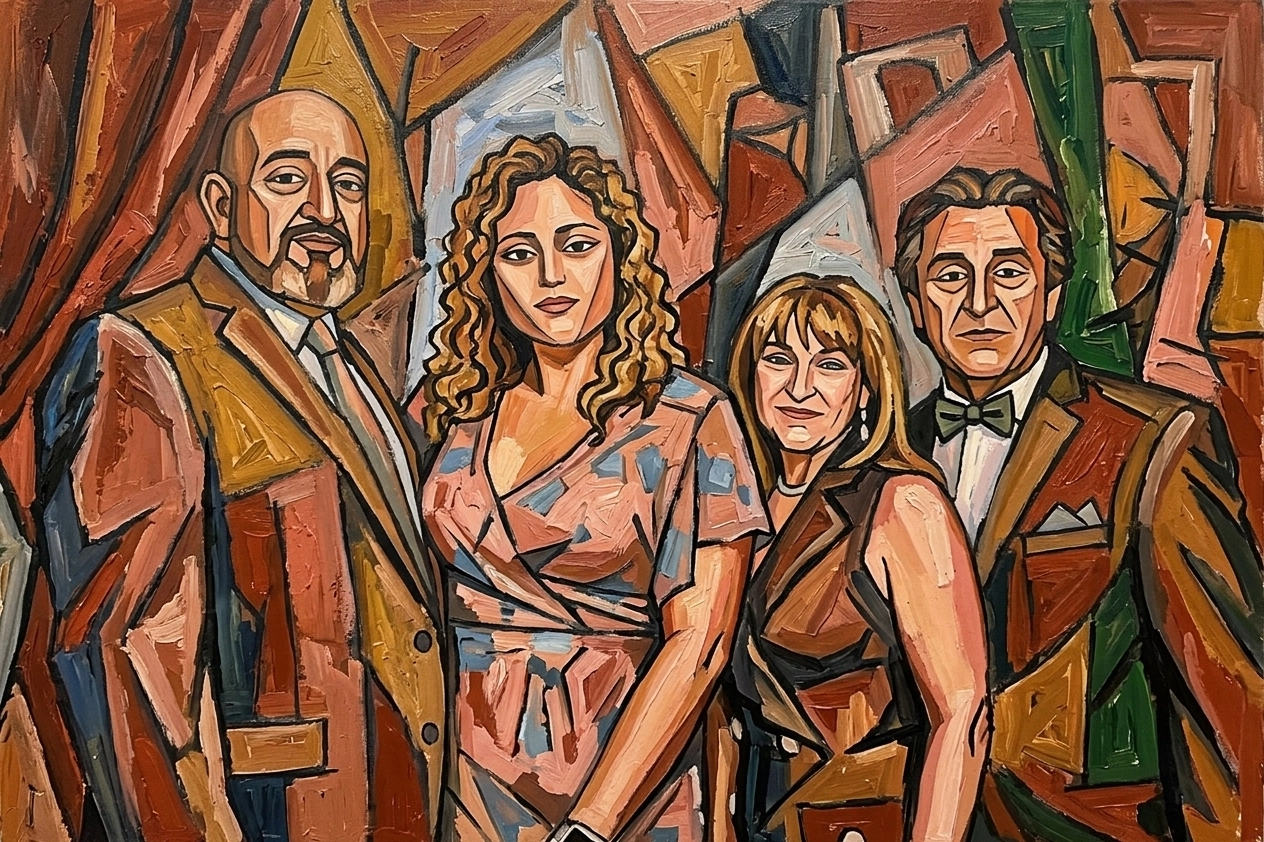
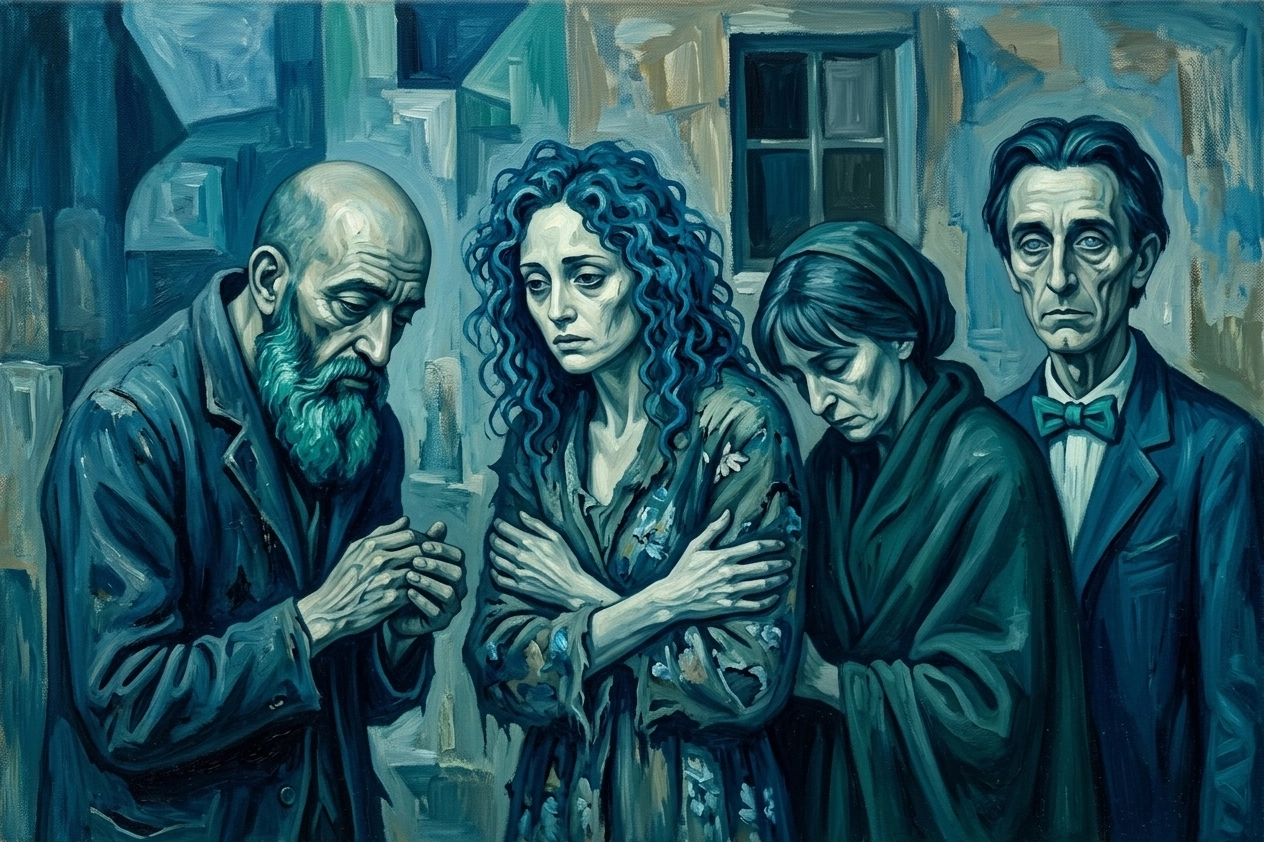
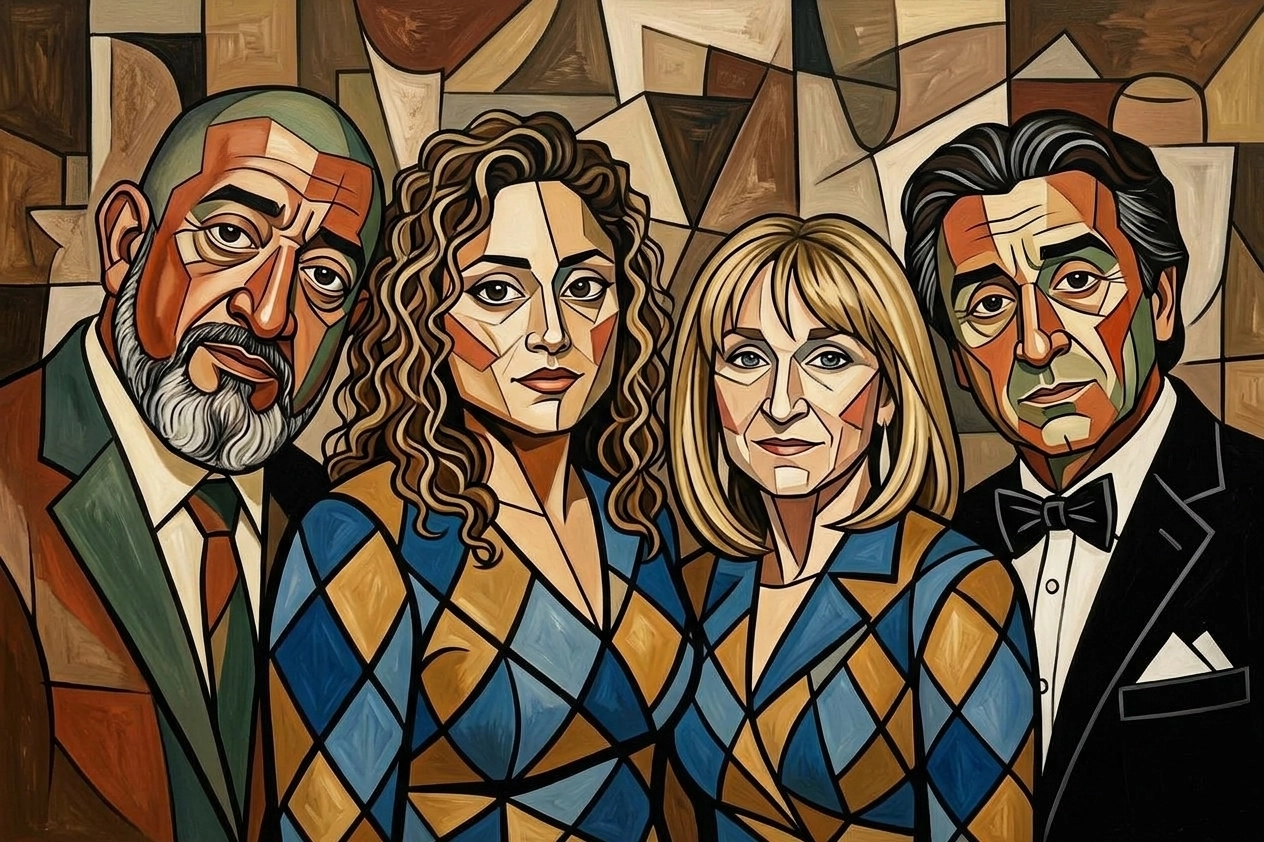
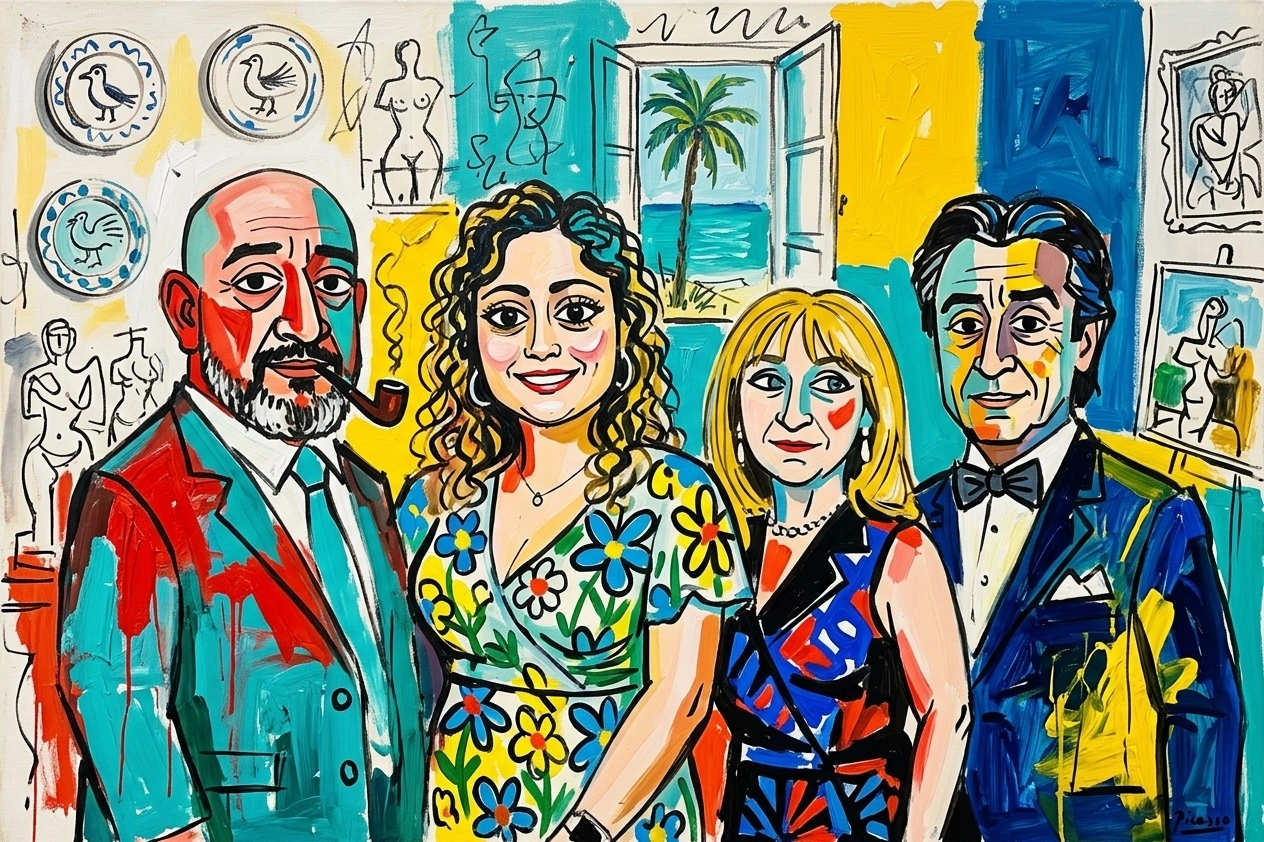
AI photo booths turn a standard event photo into a personalized, generated image. Guests step in, pose, and the system produces a stylized portrait or scene that fits the theme of the night. The output is hyper-personalized, which is exactly why these booths have started replacing traditional picture-taking setups at brand events: every guest leaves with something that looks made for them, not pulled from a stock template.
Lucky Frog Photos builds several variations of this experience, and the format matters as much as the technology:
-
AI Portrait Studio, where guests receive a rendered portrait in a chosen art style
-
AI Face Swap, which lets guests step into a branded scene or character concept
-
DrawMatic AIrtist Bot, a live AI sketch robot that draws guests in real time
-
AI Photo Lounge and AI Toybox formats for a more relaxed, seated experience
-
Custom AI background generators tied to the event theme or sponsor creative
For corporate clients, the strongest version is usually an interactive path rather than a single button. Quiz-style flows and choose-your-own-adventure prompts let guests make two or three decisions before the image generates, which extends dwell time and lets the brand deliver a message inside the experience instead of on a banner beside it.
Designing the Guest Flow for a Downtown Venue
Throughput is the number most planners underestimate. An AI booth is not a mirror. There is a capture step, a choice step, a render step, and a delivery step, and each one takes time. Build the queue design around that sequence rather than around floor space alone.
Three practical moves make the biggest difference in a downtown space:
-
Stage a greeter at the front of the line who explains the choices before guests reach the screen, so nobody stalls at the interface.
-
Keep the delivery step separate from the capture step. Instant printing and QR or email sharing should happen at a side station, not at the capture point.
-
Confirm load-in windows, freight elevator access, and power availability with the venue in writing. Historic downtown buildings often have constraints that a ballroom does not.
If the event runs a seated program, schedule the activation around it. A booth that competes with a keynote loses. A booth that opens the moment the program breaks gets a rush it can handle with the right staffing.
Matching the AI Experience to the Venue
The same booth configuration does not suit every room, and DTLA clients often book across the region. A short venue-by-venue read:
Venue type | What to prioritize |
|---|---|
Beverly Hills hotel galas | Discreet footprint, polished attendant presentation, printed keepsakes, brand restraint in the generated art style |
Huntington Library, San Marino | Elegant, low-impact staging that respects the grounds, plus advance confirmation of any setup restrictions with venue staff |
Hollywood music industry events | Speed, social-first sharing, bold visuals, video and motion formats alongside AI portraits |
The Majestic Downtown LA | A statement installation that holds its own in a large architectural room, with wide sightlines from the main floor |
Dana Point waterfront events | Sunset timing, ambient light control, and a backdrop that stands up to coastal breeze |
Malibu outdoor venues | A realistic connectivity plan, since outdoor sites may not offer dependable Wi-Fi |
Hotel galas and museum-adjacent venues usually want the activation to feel like part of the decor. Music events and brand activations want it to feel like the loudest thing in the room. Both are valid. They just require different lighting packages, different backdrops, and different staffing ratios.
Custom Prompts, Brand Compliance, and Content Control
Enterprise brand managers care about three things: brand compliance, fast throughput, and reliable lead capture. The AI layer has to respect all three. Before the event, review the prompt library and the style presets with your vendor and confirm what guests can and cannot generate. Locking the style options to a handful of approved looks keeps output on-brand and keeps generation times predictable.
Lead capture deserves its own conversation. Decide in advance whether the activation collects contact details at check-in, at delivery, or not at all, and make sure the consent language is visible on the touchscreen. Guests who understand what they are agreeing to complete the form. Guests who feel ambushed abandon the line.
Connectivity and Power: Questions to Settle Early
AI generation depends on a stable connection unless the vendor runs a local processing setup. For outdoor and waterfront events, do not assume the venue’s network will carry the load. Ask directly:
-
Does the booth run on venue Wi-Fi, a dedicated hotspot, or local processing?
-
What happens if the connection drops mid-event: does the booth queue renders or lose them?
-
How much dedicated power does the setup require, and how far is the nearest outlet?
-
Can the vendor supply a certificate of insurance that meets the venue’s requirements?
That last point is routine for luxury hotel venues in Orange County and elsewhere. Obtain the certificate well before the event date and send it to the venue contact so it clears their review process without a last-minute scramble.
Budgeting and Booking
Pricing for an AI photo booth rental in Los Angeles County varies with the configuration, the number of hours, the amount of custom artwork, printing volume, and staffing. Rather than comparing headline rates, ask for an itemized quote that separates the base experience, customization, printing, on-site attendant hours, delivery, and any travel charge. That structure lets you compare two vendors honestly and cut scope where it matters least.
Book the walkthrough before you book the date. Confirm who loads in, who staffs the activation, how custom art gets approved, and how images are delivered to guests after the event. A strong AI activation is a service product wrapped around a rendering engine, and the service is what guests remember.
Frequently Asked Questions
How much does an AI photo booth rental cost in Los Angeles County?
There is no single rate because pricing depends on the configuration, event hours, custom artwork, printing, and staffing. Ask for an itemized quote that breaks out each of those line items, then compare quotes on the same scope. Confirm what is included for delivery, setup time, and post-event image delivery before you sign.
Are AI photo booth vendors insured for Orange County luxury hotel venues?
Reputable vendors carry liability coverage and can provide a certificate of insurance naming the venue as required. Ask for the certificate early, send it to the venue contact, and confirm the coverage limits meet the property’s requirements. If a vendor hesitates to provide documentation, treat that as a warning sign and keep looking.
Does an AI photo booth require high-speed Wi-Fi at outdoor venues in Malibu?
It depends on how the vendor processes images. Some setups rely on a strong connection, while others use local processing or a dedicated cellular hotspot. Ask specifically what happens if the signal drops during the event and whether renders are cached or lost. If the venue’s network is unreliable, plan for a backup.
How many guests can an AI photo booth handle in an hour?
Throughput depends on the number of choices in the experience, render time, printing, and how many attendants are guiding the line. A quiz-style flow takes longer per guest than a single-tap portrait. Ask the vendor for a realistic per-hour estimate for the exact configuration you are booking, not a general figure.
Is an AI photo booth a good fit for a music industry event in Hollywood?
It can be, particularly when speed and shareability matter more than printed keepsakes. Music events tend to favor bold visuals, fast output, and social-first delivery, often paired with a 360 video or LED video booth. Match the format to the crowd and keep the interface simple enough to use after a few drinks.
The activation that works in DTLA is the one that was rehearsed before the doors opened: prompts approved, connectivity tested, staff briefed on the guest flow, and a delivery plan that puts the finished image in the guest’s hands before they reach the exit. Get those four things right and the booth earns its place in the room, whether the event is a Beverly Hills gala, a Hollywood label party, or a rooftop launch downtown.
For enterprise clients, maintaining brand compliance is essential to ensuring that AI-generated content aligns with established marketing standards set by the American Marketing Association.