AI Headshot Photo Booth Experience: A Decision Maker’s Guide
Introduction
An AI Headshot Photo Booth Experience gives attendees a fast path to a polished profile image while creating a branded interaction for your event. It can work well at conferences, recruiting events, trade shows, corporate galas, and internal meetings, but only when the output method, guest flow, quality standards, and privacy choices are clear before launch.
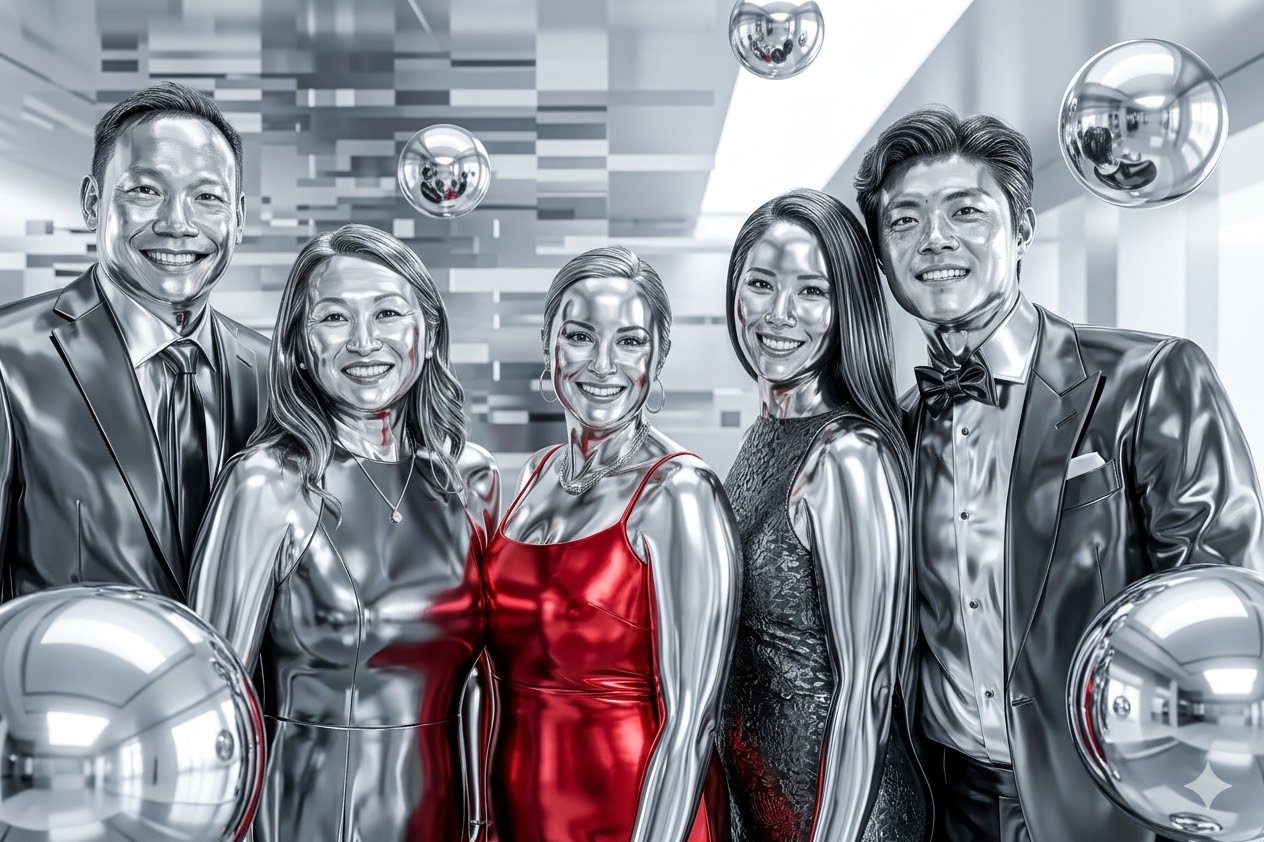
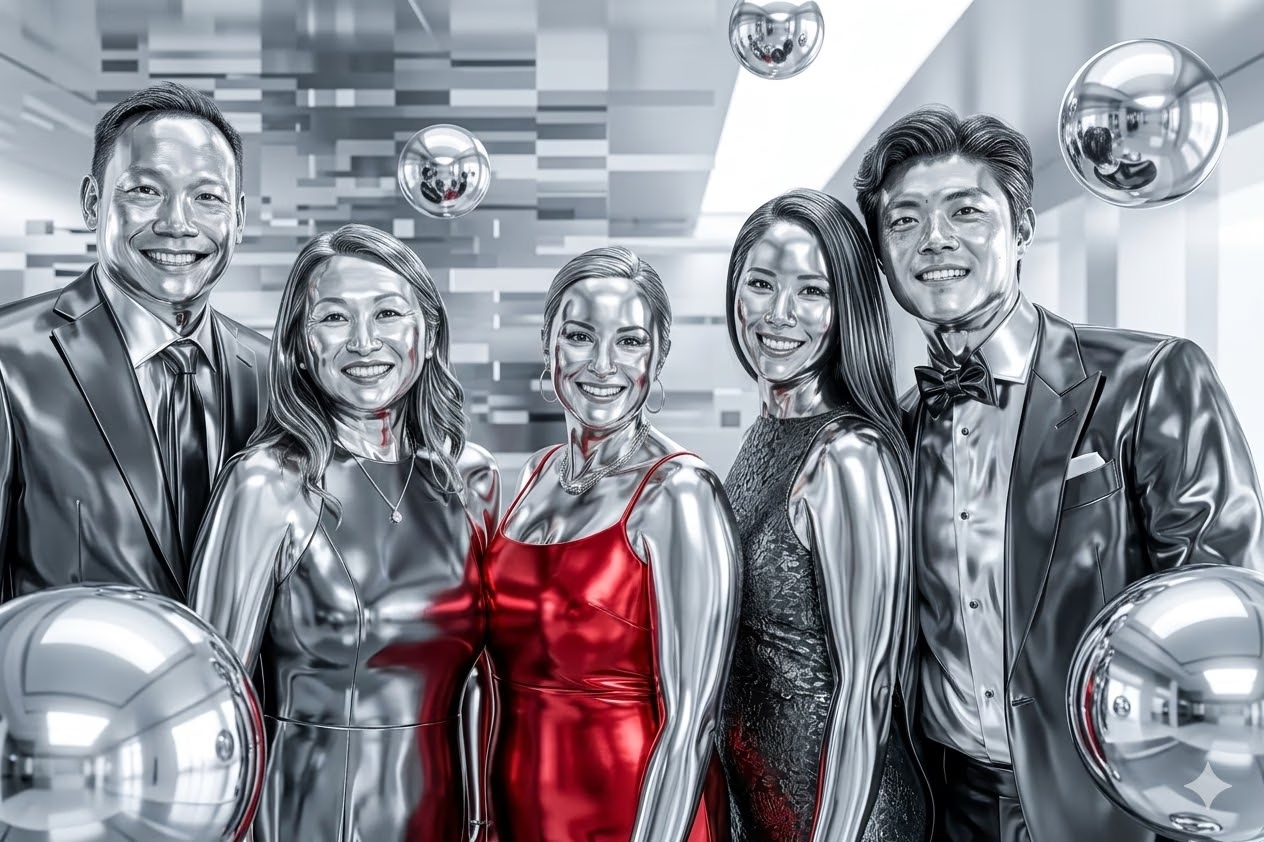
The phrase “AI headshot” can describe very different products. One experience may lightly improve a professionally captured photo. Another may generate a new portrait from a selfie. A third may place the guest into a highly stylized setting with new clothing, lighting, and backgrounds. Those distinctions affect whether the result is appropriate for LinkedIn, a company directory, a speaker bio, or simply a memorable branded takeaway.
Table Of Contents
• How AI Headshot Photo Booths Work
• Choosing The Right Output Method
• Planning A Reliable Event Experience
TL;DR
An AI headshot booth can create a useful, high participation event experience, but speed alone is not enough. Choose the output method based on identity fidelity, establish a visible quality control process, separate image delivery consent from marketing consent, and plan for retakes before the event begins.
How AI Headshot Photo Booths Work
The Guest Journey From Capture To Delivery
At its simplest, the experience follows a short sequence:
- An attendee enters through a QR code, tablet, branded microsite, or staffed capture station.
- The attendee reviews a consent notice and provides only the information needed for delivery.
- The system captures or accepts an image.
- AI image processing analyzes the face, separates the subject from the background, and applies enhancement or generation rules.
- The attendee receives a digital image through email, text message, download page, or gallery.
The visible interaction may take less than a minute, but the quality of the source image still matters. Machine learning systems use facial landmarks, such as the eyes, nose, mouth, jawline, and hairline, to interpret the subject. Poor lighting, motion blur, reflective glasses, deep shadows, or multiple faces can reduce the reliability of that interpretation.
A strong experience treats capture as more than a selfie moment. It gives guests a clear standing position, steady lighting, simple posture guidance, and enough time to review the image before submitting it. A guest who can see “face camera, remove sunglasses, keep shoulders square” is less likely to need a retake.
What The AI Does Under The Hood
AI headshot systems usually combine several image processing steps. The precise workflow varies by provider, but the core functions often include:
• Face detection to locate one or more people in the image.
• Subject segmentation to distinguish the person from the original background.
• Lighting and color adjustments to balance exposure and skin tone.
• Background replacement or augmentation.
• Retouching that may soften skin, reduce distractions, or refine image sharpness.
• Generative reconstruction, when the system creates new clothing, poses, scenes, or facial details.
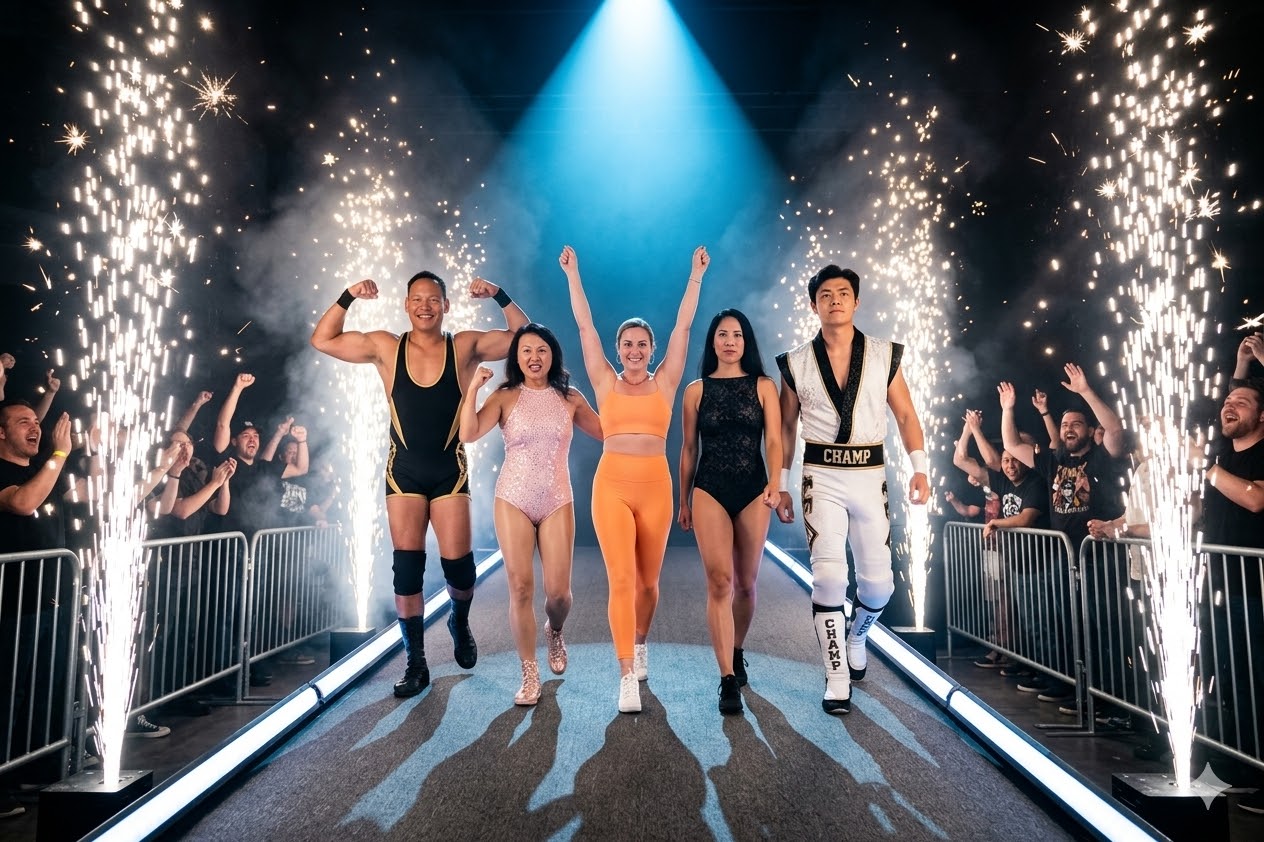
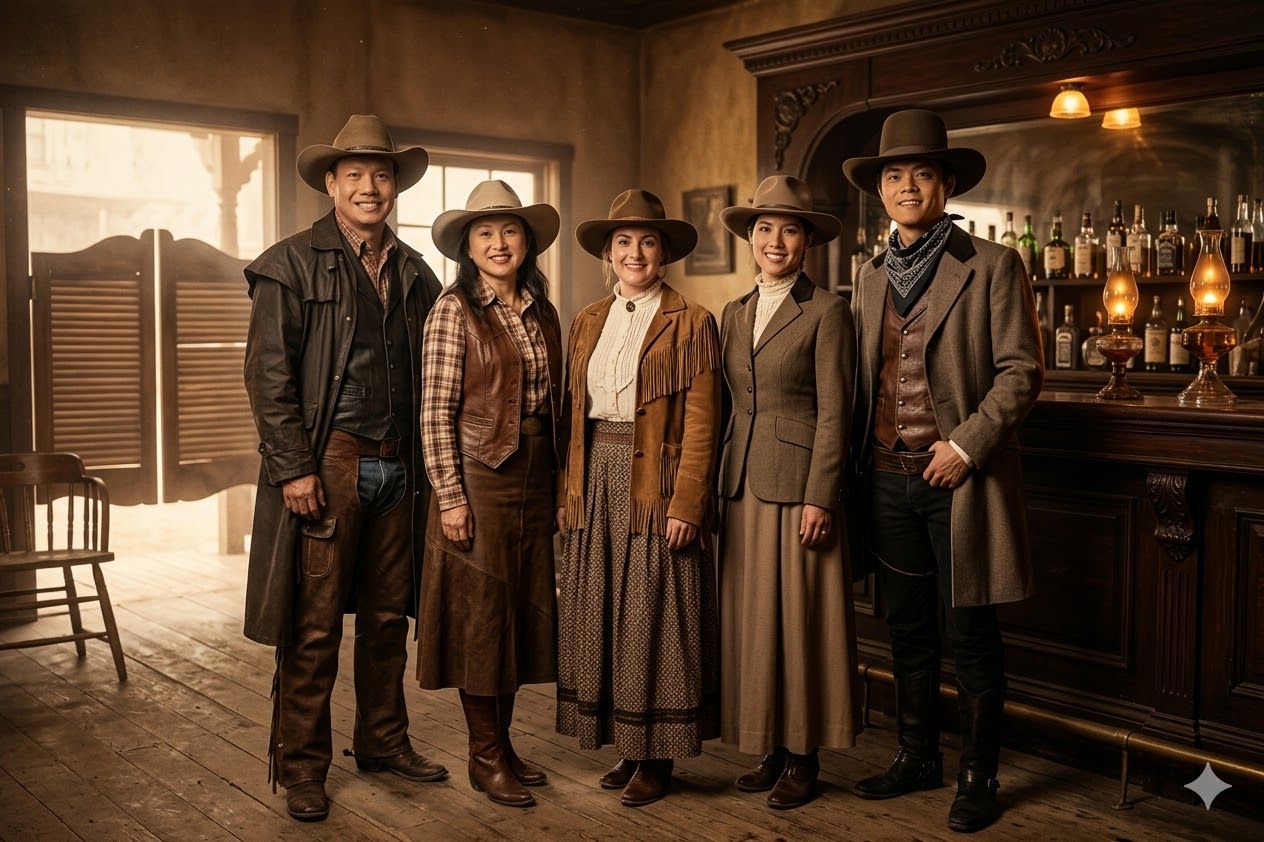
This distinction matters: an enhanced photo is still based primarily on the original capture, while a generated portrait may reconstruct substantial portions of the final image. That can produce more visual variety, but it also increases the chance that hair, teeth, facial proportions, accessories, or other identity cues may drift.
For professional headshots, single person capture is usually the safer default because the system has one face to interpret and one identity to preserve.
Why The Experience Appeals To Event Audiences
For attendees, the value is immediate: a current profile image can be more useful than a generic event giveaway. For organizers, the experience can connect a practical benefit to a branded interaction. A conference sponsor, for example, might offer a clean executive portrait with a subtle logo on the delivery page rather than stamping the brand directly across an image guests may want to use professionally.
The strongest activations make branding feel helpful rather than intrusive. A branded welcome screen, themed backdrop choices, custom email delivery template, and optional post event gallery can reinforce your message without making the headshot less usable.
If your goal is broader experiential education, this guide on what is an AI photo booth provides useful context on how AI based photo interactions extend beyond professional portraits.
Choosing The Right Output Method
Compare Generated, Enhanced, And Traditional Headshots
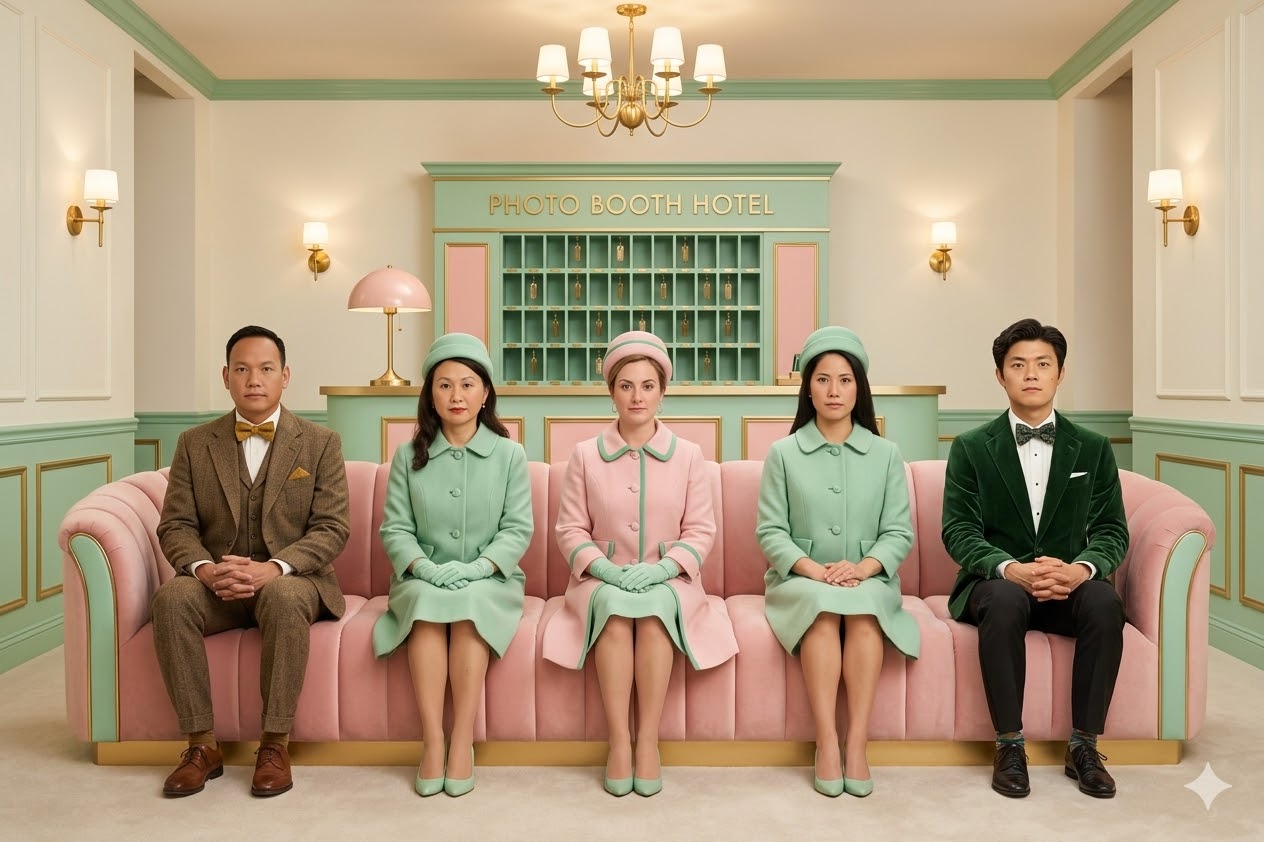
Do not choose a vendor based solely on the words “AI headshot.” Ask what the final image actually is.
Output Method | What You Receive | Best For | Main Trade Off |
|---|---|---|---|
Traditional photograph | A camera captured image with conventional editing | Executive teams, speaker pages, formal directories | More capture time and less visual variety |
AI enhanced photograph | A real photo with AI based lighting, cleanup, or background changes | LinkedIn use, employee directories, professional networking | Strong enhancement can still look over retouched |
Likeness preserving AI portrait | A generated image designed to retain key facial traits | High volume events needing several professional looks | Likeness can vary by person and image quality |
AI restyled portrait | A more transformed image with new wardrobe, setting, or visual theme | Brand activations, social sharing, entertainment | Often less suitable for formal identity use |
These experiences can use QR codes, tablets, personal devices, branded URLs, lead capture, AI enhancement, likeness preserving generation, or restyling. That range is exactly why procurement teams should define the intended use before they compare proposals.
Choose AI enhancement when credibility and recognizable identity matter most. Choose likeness preserving generation when you need more backgrounds or professional styles while keeping the subject plausible. Choose full restyling when the image is primarily a creative brand asset, not an official representation.
Set A Quality Standard Before Guests Arrive
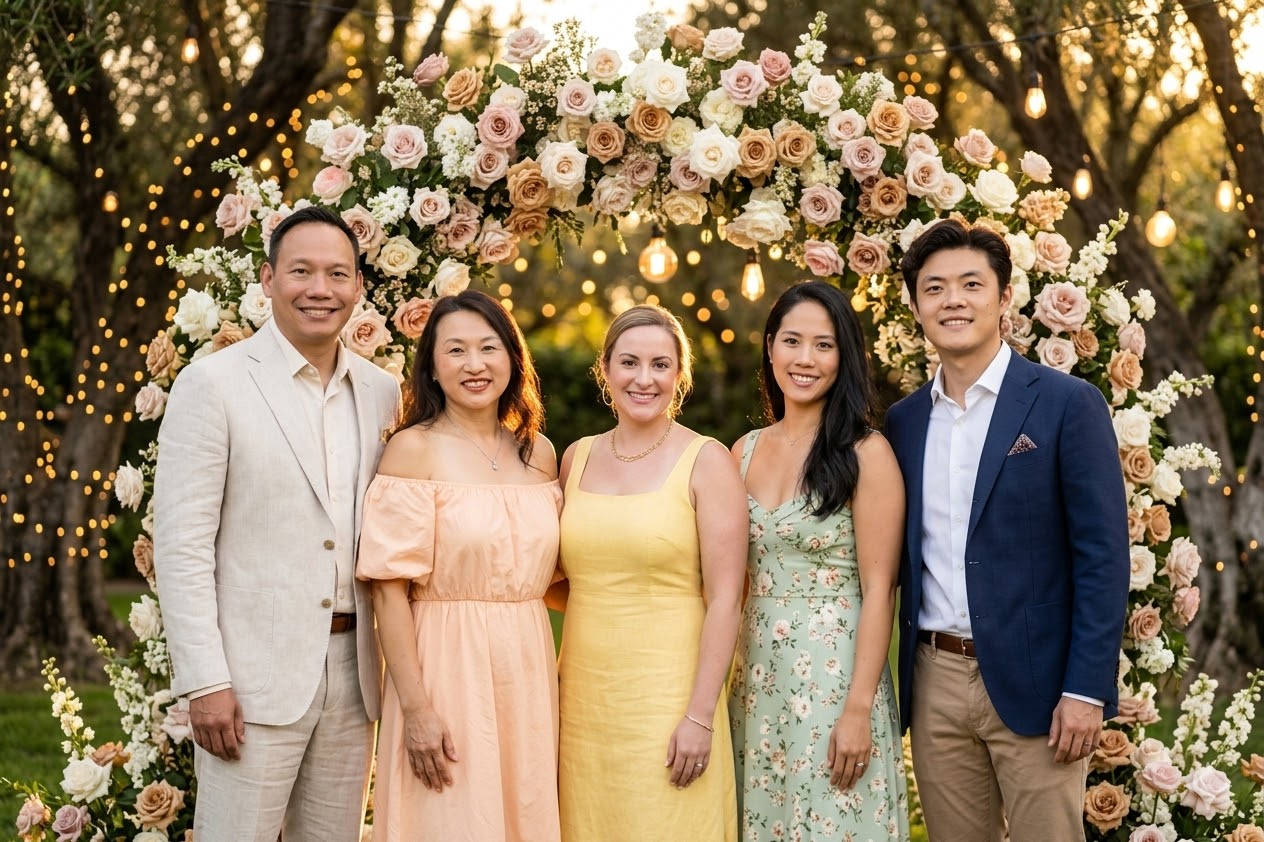
“Professional looking” is subjective. A better approach is to define an acceptance rubric that your event team and vendor can use consistently.
A usable corporate headshot should meet these criteria:
• The face is immediately recognizable to the attendee and colleagues.
• Eyes, teeth, ears, hands, hairline, eyewear, jewelry, and clothing look anatomically plausible.
• Skin retouching is subtle enough that the image remains credible.
• The background supports the intended channel and does not distract from the subject.
• No logo, text, accessory, or background element creates a brand safety issue.
• The pose and expression fit the context, whether that is a recruiting fair, leadership profile, or social campaign.
A practical event rule is simple: if an attendee would hesitate to use the image on a professional profile, offer a retake or alternate style. You do not need to promise perfection. You do need a recovery path.
Review summaries on HeadshotPro’s Trustpilot page include reports of imperfect likeness, unexpected facial marks, blemishes, and required touch ups. Those comments do not establish a universal failure rate, but they reinforce an important planning point: automated delivery should not mean unattended quality control.
Decide When Human Review Is Worth It
Human review is most valuable when the headshot may be published by the organizer rather than used privately by the guest. Examples include employee directories, press kits, speaker pages, award nominations, and executive profile galleries.
For a high volume trade show, you might let guests choose from generated results themselves and request a retry if needed. For a leadership summit, it may be better to have an attendant inspect the source photo, guide a retake, and flag clearly flawed outputs before delivery.
Avoid relying on AI generated portraits for regulated identity documents, credentialing, employment verification, security badges, or any situation where a synthetic alteration could be misleading. A professional profile image and an identity verification image are not the same thing.
Planning A Reliable Event Experience
Match The Format To Your Attendance Pattern
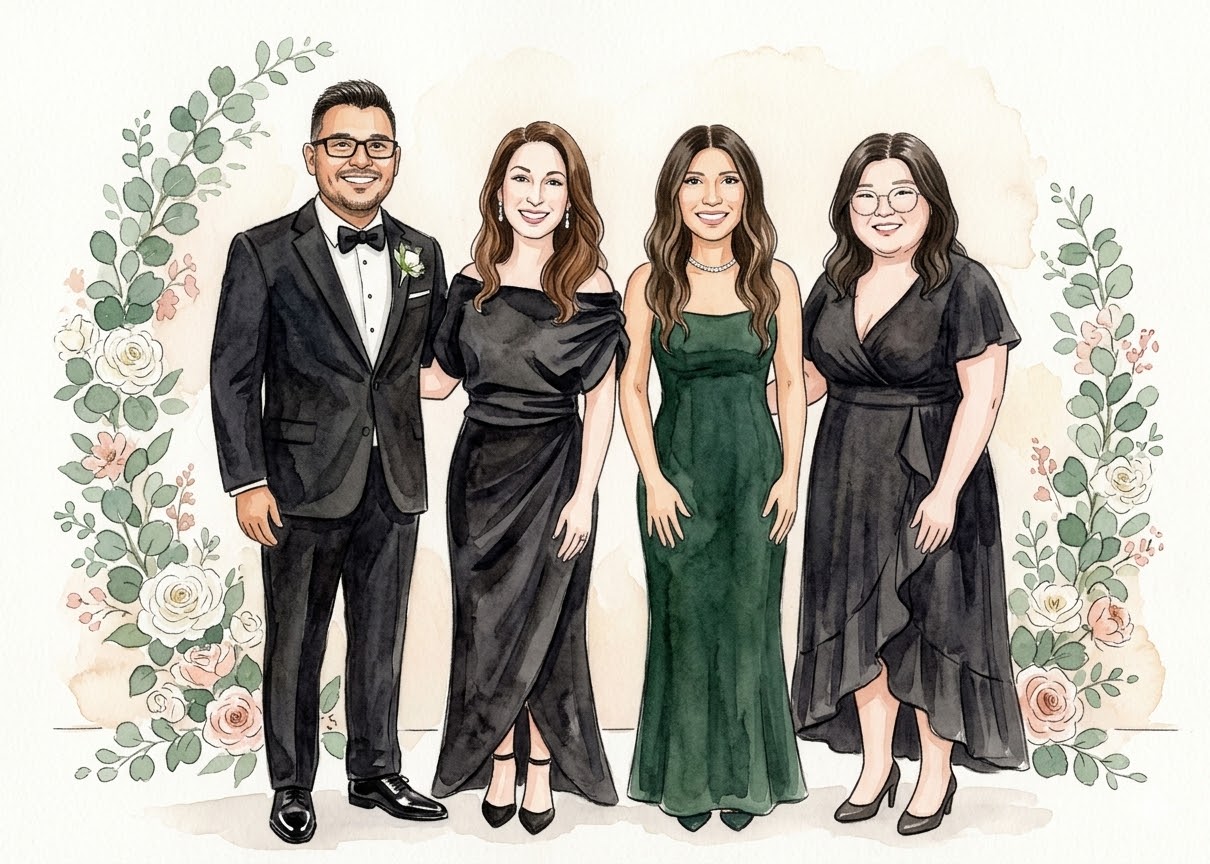
Your capture model determines staffing needs, queue behavior, and failure recovery options.
Operating Model | Best Fit | Advantages | Planning Watchouts |
|---|---|---|---|
Staffed capture station | Galas, executive events, premium sponsor activations | Better lighting, guest coaching, visible support | Requires floor space, power, staff scheduling, and queue management |
Self service tablet station | Internal events and moderate traffic | Compact footprint and lower staffing needs | Guests may need clearer on screen directions and retries can slow flow |
QR and mobile flow | Large conferences and distributed venues | Guests can participate from personal devices | Source image quality varies and delivery support is less immediate |
There is no reliable universal throughput figure because flow time changes with registration questions, capture quality, retakes, style selection, processing time, and delivery method. Instead, test the exact experience with representative users before event day.
For example, if the first 10 test participants average two minutes each because they pause to choose styles and reenter an email address, your planning assumption should not be “one minute per guest.” Build queue capacity around the slower tested flow, then create a separate fast lane only if the interface supports it.
A staffed station is often the better choice when your brand cannot afford awkward outputs, while QR based access works well when participation volume matters more than uniform capture conditions. For regional logistics, an AI photo booth rental Los Angeles planning guide can help you think through space, staffing, timing, and venue coordination.
Build A Failure And Recovery Playbook
A polished event experience depends on what happens when the process does _not_ go as expected. Give staff a concise recovery plan rather than asking them to improvise.
Issue | Likely Cause | Fast Recovery Step |
|---|---|---|
Face looks unlike the guest | Weak source image or aggressive generation style | Retake with better lighting, then select a less transformative style |
Glasses, hair, or jewelry looks distorted | Reflection, occlusion, or model artifact | Offer a new capture and ask the guest to adjust reflective accessories if comfortable |
Multiple faces are detected | Friend entered the frame or crowded background | Reframe for one person and recapture in single person mode |
Delivery message does not arrive | Typo, spam filtering, or connectivity issue | Provide a secure retrieval screen or verify contact details before resending |
Queue becomes too long | Slow choices, repeated retakes, limited staffing | Simplify styles, move consent earlier, and add a queue guide or second capture point |
Fair warning: no booth can guarantee that every AI output will be flattering or fully accurate. What you can control is the quality of the source photo, the degree of transformation, the number of choices, and how easily a guest can reject an unsatisfactory result.
Separate Delivery Consent From Marketing Consent
Facial images deserve more care than an ordinary email signup. Before launch, ask your provider specific questions about where images are processed, how long original photos and generated files are retained, whether guests can request deletion, who can access galleries, and whether images are used for model training or product improvement.
Your consent screen should make clear distinctions:
- Required service consent: permission to process the image and deliver the requested headshot.
- Optional marketing consent: permission to receive future emails, texts, or offers.
- Optional publication consent: permission to display the image in an event gallery, recap, or social post.
Do not bundle those choices into one prechecked box. A guest may want the headshot but not future marketing messages. Clear separation builds trust and gives your organization cleaner, more defensible lead data.
If your activation includes lead capture, decide what information is truly necessary. An email address may be needed for delivery. Job title, company, event interest, and product interest should be optional unless they are essential to the stated purpose.
Measure More Than Participation
A high number of captures can look impressive, but it is not the only metric that matters. Assess the experience through four lenses:
• Completion: How many guests started and successfully received an image?
• Quality: How many selected an image without needing a retry or staff escalation?
• Experience: How long did guests wait, and where did they abandon the flow?
• Value: Did the activation generate useful opted in leads, sponsor engagement, or profile ready content?
For a deeper event marketing perspective, review how AI headshot photo booths change corporate event ROI. The key is to connect the booth to a defined event objective instead of treating every digital headshot as equal value.
Key Takeaways
Use The Right Standard For The Right Outcome
An AI headshot photo booth works best when you treat it as a managed guest service, not just a novelty screen.
• Choose AI enhancement when authenticity and professional use matter most.
• Choose likeness preserving generation when you want varied professional looks with an acceptance process for retakes.
• Choose creative restyling for branded entertainment, not formal identity use.
• Use a staffed station when capture quality, executive guests, or brand sensitivity justify closer support.
• Use QR based access when reach and convenience matter more than controlled lighting.
• Define retention, deletion, and marketing consent before collecting a single facial image.
Frequently Asked Questions
What Is An AI Headshot Photo Booth Experience?
It is an event based photo experience that captures or accepts a guest image, then uses AI image processing to create a polished headshot. The final result may be a lightly enhanced photograph, a likeness preserving generated portrait, or a more stylized image.
How Long Does It Take To Receive The Finished Headshot?
Many providers design for delivery within seconds or minutes, but actual timing depends on network conditions, image processing, style choices, retakes, and delivery method. For a busy event, test the complete flow rather than relying on a promotional estimate.
Will The Headshot Still Look Like The Attendee?
It should, especially when the system uses a high quality source photo and a modest enhancement style. Still, generated outputs can alter hair, facial proportions, skin texture, or accessories. Offer a retake or alternate style whenever the guest does not recognize the result as an accurate representation.
Do Guests Need To Install An App?
Not necessarily. Many event flows use a browser based branded page accessed through a QR code, tablet, or personal device. Confirm the vendor’s exact access method and test it on common mobile devices before the event.
Can Guests Choose Backgrounds, Clothing, Or Professional Styles?
Usually, yes. Choices may include office settings, neutral studio backgrounds, color palettes, wardrobe simulations, and creative themes. Keep the menu limited for high traffic events. Too many options can slow the queue and make the experience feel less intuitive.
Can The Booth Collect Leads For Sponsors Or Event Teams?
Yes, but lead collection should be transparent. Explain why each field is requested, make optional questions truly optional, and separate delivery permission from marketing opt in. This protects guest trust while producing more meaningful consent based data.
Is A Staffed Booth Better Than A QR Code Experience?
Neither is universally better. A staffed booth provides stronger capture consistency and faster help when something goes wrong. A QR flow can reach more people with less physical footprint. Choose based on your event layout, expected participation, privacy needs, and tolerance for variable source images.
Conclusion
An AI Headshot Photo Booth Experience can turn a short event interaction into something attendees may actually keep using after the event ends. The best results come from choosing the right output method, controlling capture quality, setting a clear acceptance standard, and respecting guest choice around consent and data.
Before you book, ask one practical question: _Would this experience still feel valuable if every guest received only one image?_ If the answer is yes, you are likely building around usefulness rather than novelty.
Ultimately, a successful AI Headshot Photo Booth Experience requires balancing technological novelty with professional utility. When you plan your next AI Headshot Photo Booth Experience, prioritize identity fidelity to ensure every AI Headshot Photo Booth Experience delivers usable results. A well-executed AI Headshot Photo Booth Experience builds brand trust, whereas a poorly managed AI Headshot Photo Booth Experience creates frustration. By refining your AI Headshot Photo Booth Experience workflow, you transform a simple AI Headshot Photo Booth Experience into a high-value asset. Remember, the best AI Headshot Photo Booth Experience focuses on the guest, not just the tech. Whether your AI Headshot Photo Booth Experience is for networking or branding, clarity remains vital. Every AI Headshot Photo Booth Experience should offer clear instructions, just as every AI Headshot Photo Booth Experience needs robust privacy standards. As you launch your AI Headshot Photo Booth Experience, keep these quality benchmarks in mind. A polished AI Headshot Photo Booth Experience leaves a lasting impression, while a seamless AI Headshot Photo Booth Experience encourages repeat engagement. Ultimately, your chosen AI Headshot Photo Booth Experience defines the professional standard of your event.