AI Headshot Booth for Corporate Events: A Planner’s Guide
Corporate event teams usually inherit the same headshot problem. Someone needs a new photo for the company page, the conference badge, the recruiting deck, or the press release, and the only window to get it is a two day program that is already full. An AI headshot booth solves that logistically. It puts a capture station on the show floor or in the lobby, generates a finished, retouched portrait on the spot, and delivers it to the guest before they reach the parking garage.
This guide covers how the technology works, how it differs from a traditional photo booth, how to plan throughput, what to ask a vendor, and where the format fits best in a Los Angeles or Orange County event schedule.
What an AI headshot booth actually is
An AI headshot booth is a capture station built around generative AI processing rather than props and printed strips. In one common configuration it runs as a self guided experience on an iPad kiosk, with the AI handling lighting correction, background removal, and retouching automatically. The guest does not need to know anything about photography. They step in, follow the prompts on screen, and the system produces a finished image.
Some providers pair the AI processing with dedicated capture hardware, including DSLR cameras and professional lighting, and staff the station so guests are guided through the process. Others allow capture from a premium booth, a phone, or a laptop, which is useful when an organization wants headshots for a distributed team rather than a single day of foot traffic.
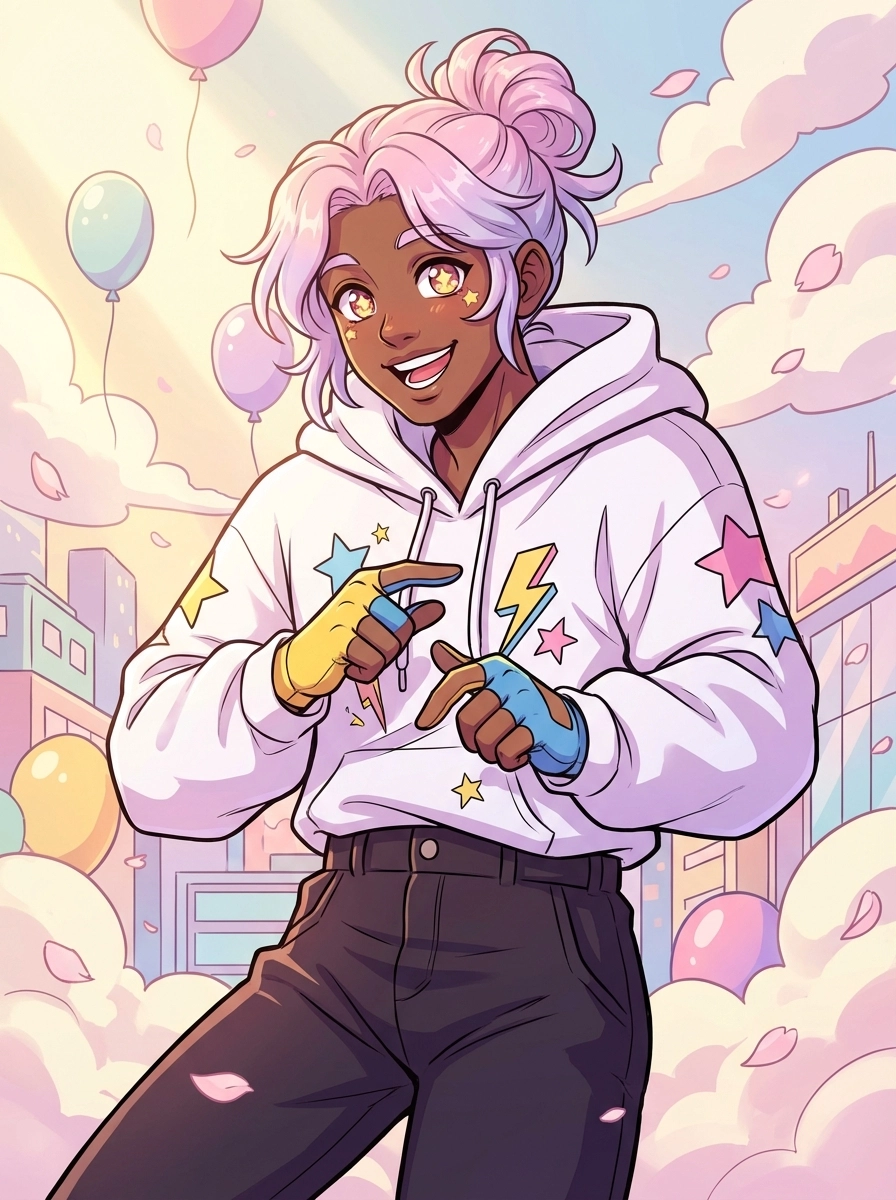
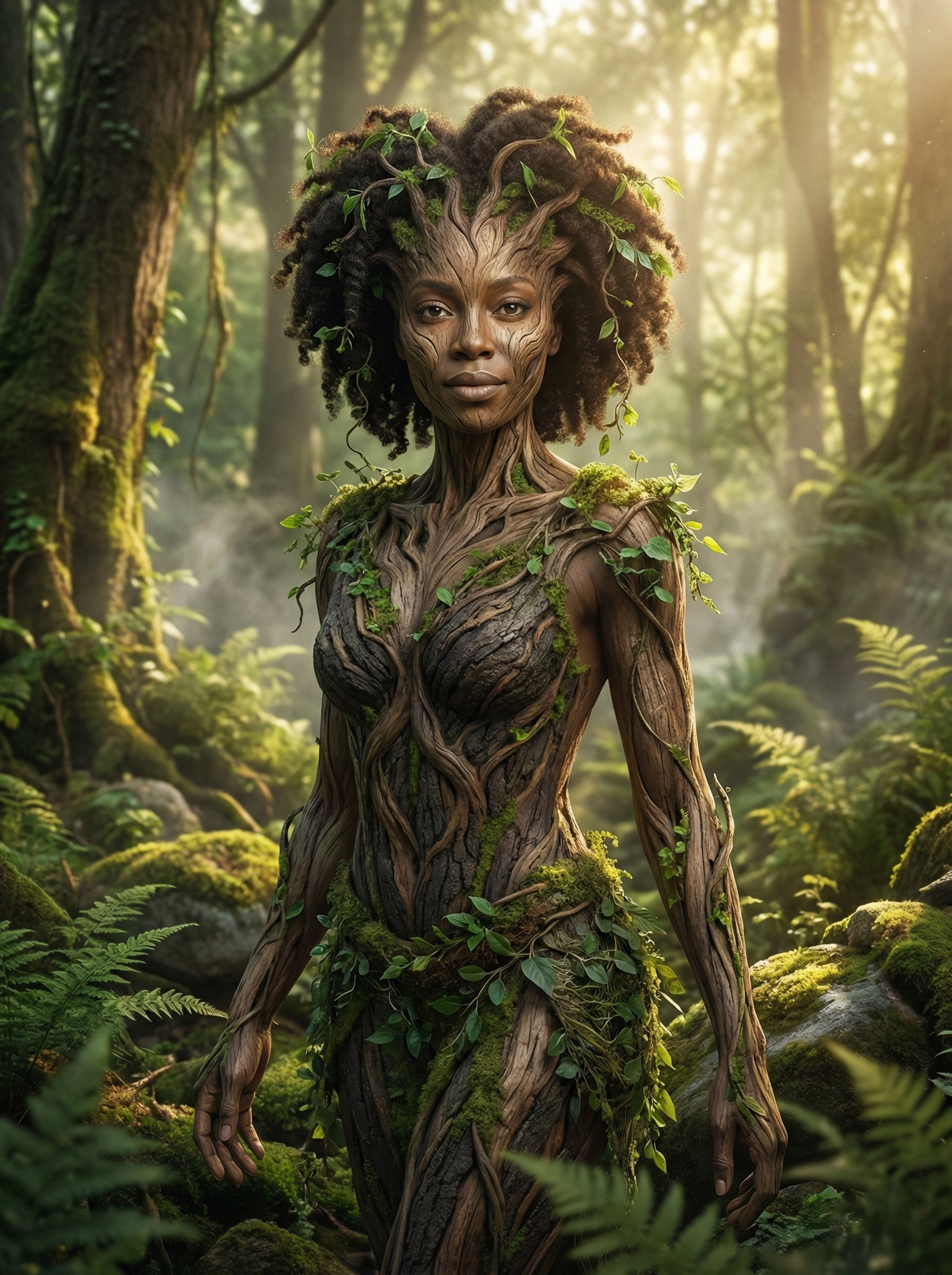
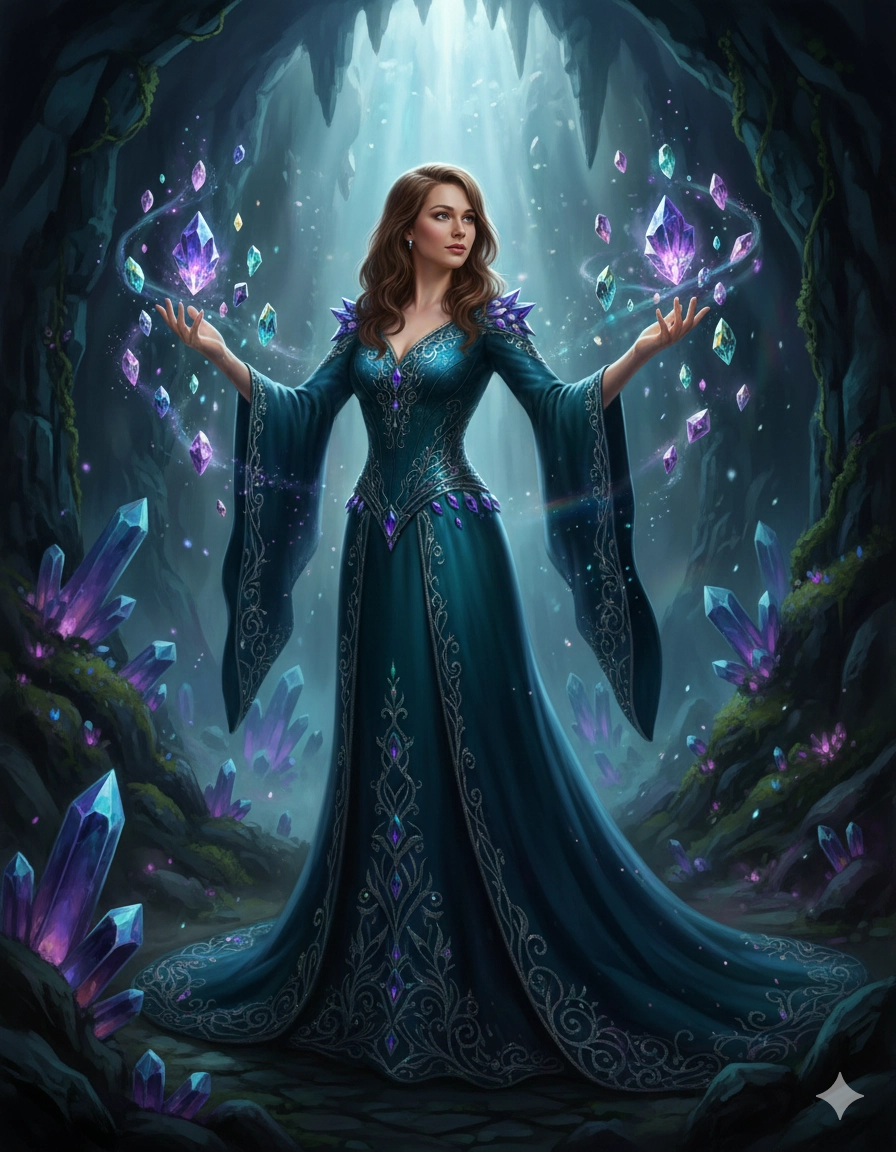
The output is not a filter or an overlay. Generative AI systems build a new image, which is why the same booth can deliver a conservative studio style portrait for a professional profile and a stylized, event themed portrait for a sponsor activation. Creative direction is set by prompt and theme rather than by physical props.
From capture to delivery: the guest experience
-
The guest arrives at the booth or station and is greeted, either by a technician or by an on screen instruction set.
-
Lighting and framing are handled automatically, or by staff using dedicated lighting and a camera rig.
-
The AI processes the capture, removing the background and retouching the image so it reads as a studio portrait.
-
The finished file is delivered to the guest, commonly by QR code, email, or text message, with print as an option.
How long the process takes
Providers describe processing times in the range of about 30 seconds for a realistic corporate headshot, with other systems delivering a polished result in under 60 seconds. For planning purposes, treat one minute per guest as the floor, not the average. Styling choices, re takes, and questions all add time, and a queue of twenty people waiting for a thirty second experience still occupies twenty minutes of floor space. Fewer than a third of a typical reception window will be spent on back to back sessions, so build in slack.
AI headshot booth compared with traditional and digital booths
Feature | Traditional photo booth | Standard digital booth | Generative AI headshot booth |
|---|---|---|---|
Primary output | Fixed physical prints | Digital overlays, GIFs, photos | Dynamic AI portraits, custom styles, branded headshots |
Customization | Props and printed logos | Static digital overlays | Trained brand styles and custom AI prompts |
Typical corporate use | Holiday parties, social events | General guest entertainment | Trade shows, conferences, sponsor activations, team headshots |
Delivery | Instant print | Instant digital sharing | Instant AI rendering plus digital sharing or print |
Best fit venue | Party venues | Smaller venues and bars | Hotel and conference centers, corporate campuses |
The distinction matters when an event team is justifying spend. A traditional booth produces a souvenir. A headshot station produces an asset the guest keeps, uses publicly, and associates with the brand that paid for it.

Where a headshot station earns its place on the program
-
Trade shows and expos, where a sponsor or exhibitor can offer a headshot as the reason to stop at the booth.
-
Conferences and summits, where speakers, press, and attendees all need consistent portraits.
-
Recruiting and university events, where students and candidates need professional images fast.
-
Internal brand refreshes, where an entire team needs a matched set of portraits for the company site.
-
Product launches and press previews, where the imagery doubles as branded social content.
-
Award nights and galas, where a styled portrait becomes part of the guest experience.
The format scales. Providers report delivering consistent images to audiences ranging from 50 guests to 5,000, and describe headshot stations as a fit for high volume events where 100 or more attendees need photos quickly.
Guest flow and volume planning
Throughput is the number that determines whether a headshot activation feels like a perk or a bottleneck. At roughly a minute per guest, a single station serves a steady but finite stream of people, so most large events benefit from either a second capture station, a defined appointment block for each team, or a staffed queue that keeps guests moving and informed about the wait.
Timing the booth around the agenda
Place the station where traffic already exists rather than in a side room. Registration desks, coffee breaks, sponsor rows, and the corridor between general sessions all generate natural dwell time. A booth running through a keynote will sit empty. The same booth running during a ninety minute reception will stay busy the entire time.
Custom prompts, branding, and output consistency
Creative control sits in the prompt and the theme. Event teams can request a specific look for the whole program, such as a neutral studio background for professional profiles, or a themed treatment tied to the brand palette and campaign art. Because the system generates the image rather than simply cropping it, the same guest can receive a formal portrait and a playful variation from a single sitting.
For organizations that need visual consistency across dozens or hundreds of portraits, that repeatability is the practical advantage. Every image comes out of the same pipeline with the same background treatment and the same lighting logic, which is difficult to achieve with a roaming photographer working a crowded floor.
Delivery, sharing, and print options
Digital delivery drives most of the value. Guests typically receive a file by QR code, email, or text message within minutes, which means the image is on their phone before the session ends. For events that want a physical takeaway as well, print can be layered on top of the digital file rather than replacing it.
Event teams should confirm whether delivery is handled on site or after the event, how long galleries stay live, and who owns the images. Brand approval and usage rights are worth settling in writing before the event rather than afterward.
What to ask before you book
-
Capture setup: is the station self guided, staffed, or both, and does it use a dedicated camera and lighting or a tablet kiosk?
-
Processing time: how long does a single guest wait from capture to finished file?
-
Customization: can the AI be trained or prompted to match our brand, and how many styles are included?
-
Capacity: how many guests can the station serve in a typical event window?
-
Connectivity: what happens if venue Wi-Fi underperforms, and is cellular backup available?
-
Delivery: QR, email, text, print, or a combination, and how long the gallery remains accessible.
-
Staffing: does the package include an on site technician for setup, troubleshooting, and guest flow?
-
Pricing: rates vary with duration, customization, staffing, and volume, so request a written quote for the specific event rather than relying on a posted range.
Local execution in Orange County and Los Angeles
Corporate events in this region carry their own logistics. Hotel ballrooms and conference centers across Orange County and Los Angeles often have load in windows, labor rules, and limited power or network access on the floor. A vendor who works these venues regularly already knows the drill.
That local knowledge shows up in small ways. Knowing which rooms have weak cellular reception, which loading docks require a scheduled arrival, and how far a station needs to sit from a general session speaker to avoid noise complaints all reduce the chance of a problem on the day. It also shortens the planning conversation, because the vendor can speak to a venue’s constraints rather than asking the event team to explain them.
Frequently Asked Questions
How long does it take to get an AI headshot at a corporate event?
Providers describe processing times of about 30 seconds for a realistic corporate headshot, with some systems delivering a polished result in under 60 seconds. From the guest’s perspective, the total stop at the station is usually a couple of minutes, including the time to step in, capture the image, review the result, and receive the file.
How many attendees can an AI headshot booth handle?
It depends on the number of capture stations and the length of the window. Providers report serving groups from 50 guests to 5,000, and describe headshot stations as suitable for high volume events where 100 or more attendees need photos quickly. For larger programs, plan on multiple stations or a scheduled slot per team.
Can the AI output match our brand style?
Yes, within the limits the vendor supports. Booth providers advertise custom AI themes and prompt based styling, so an event can request a consistent background treatment, a specific lighting look, or a visual theme tied to a campaign. Confirm how many styles are included and whether review rounds are part of the package.
Do guests receive their headshot on their own phone?
In most setups, yes. Delivery by QR code, email, or text message is standard, and the image typically arrives within minutes of capture. Print can be added for events that want a physical takeaway. Ask how long the gallery stays online and whether guests can download full resolution files afterward.
Does an AI headshot booth replace a photographer?
For high volume, consistent portraits, a booth can cover most of the need without a per person booking. A photographer still adds value for staged editorial work, group shots, and coverage of the event itself. Many corporate programs run both, using the booth for attendee portraits and a photographer for the wider story.
To understand the underlying technology powering these stations, you can learn more about how generative AI creates new content from existing data.