Hilton Checkers Los Angeles AI Photo Activation: What To Verify
Introduction
A Hilton Checkers Los Angeles AI photo activation is an appealing idea for a Downtown Los Angeles meeting, reception, product launch, or hospitality event. It combines a familiar guest behavior, taking a portrait, with interactive media that can turn that portrait into a branded editorial image, fantasy scene, illustrated character, or campaign specific visual.
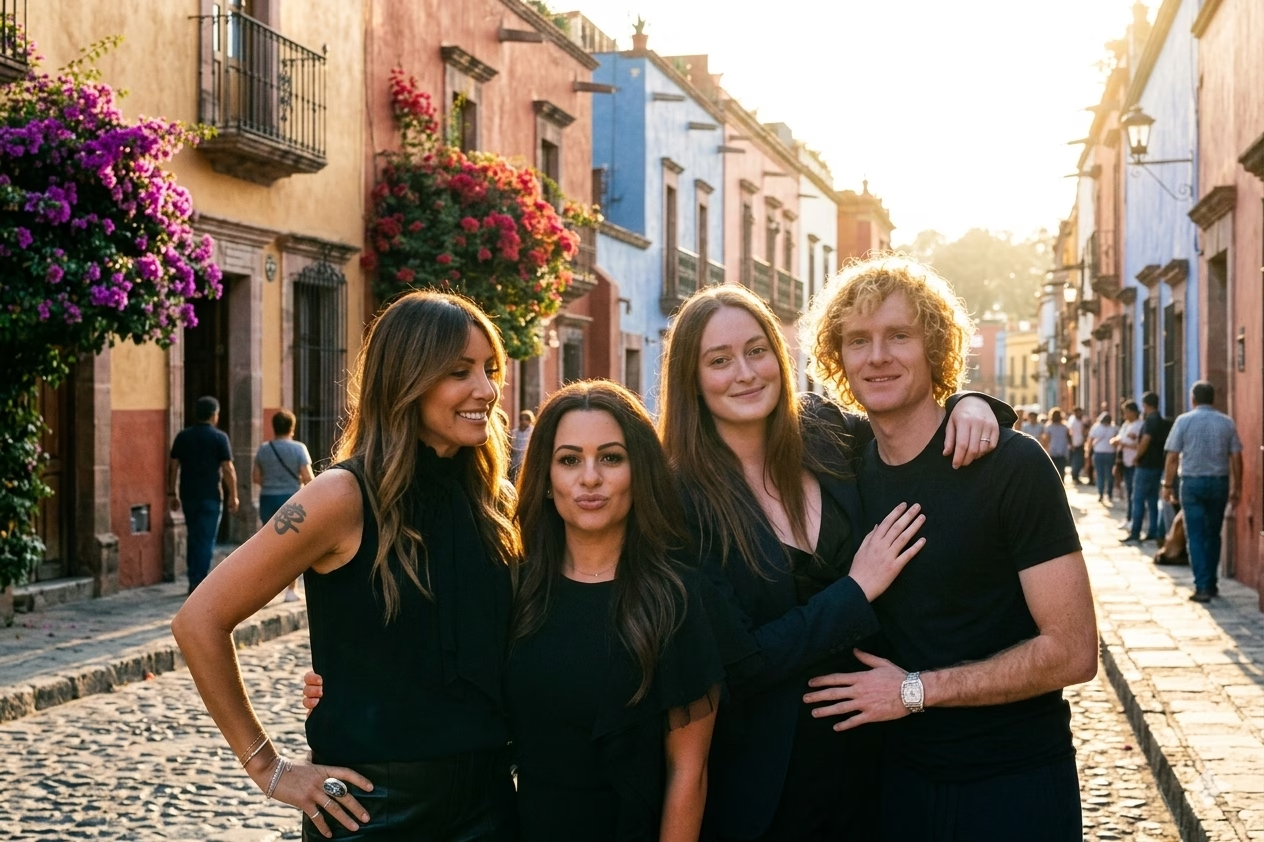
There is an important distinction to make before you plan around the phrase: available public hotel information does not confirm that Hilton Checkers Los Angeles has hosted a specific AI photo activation. No public source in the available materials identifies a campaign date, sponsoring organization, vendor, guest journey, AI platform, privacy policy, or performance result for an activation at the hotel. That does not mean a private event could not be produced there. It means you should treat the phrase as a planning concept, not a documented case study.
TL;DR
The direct answer: Hilton Checkers Los Angeles is an established Downtown LA hotel with official event information, but a specific AI photo activation at the property is not publicly verified. If you want to bring one to a private event, confirm venue approval, floor plan, power, internet, guest consent, staffing, and delivery workflow before you promise real time AI portraits to attendees.
Table Of Contents
Key Takeaways
• Publicly available hotel pages establish the property and its event related presence, not a confirmed AI campaign.
• A hotel photo gallery is not evidence of generative AI, real time image transformation, or an interactive photo booth.
• Your most consequential decisions are not visual. They are consent language, network resilience, throughput, delivery reliability, and brand approval.
• AI portraits work best when the creative concept is narrow enough to produce consistent outputs and broad enough to invite participation.
• Before booking, ask for a live workflow demonstration using the exact output style, delivery method, and expected event conditions.
What Can Be Verified
The Hotel Is A Potential Venue, Not A Documented Activation Case Study
Hilton Checkers Los Angeles is located at 535 South Grand Avenue in Los Angeles, California. Hilton also maintains an official events page for Hilton Checkers Los Angeles, which establishes that the property provides event related venue information.
Those facts are useful if you are considering a branded guest experience at the hotel. They do not establish that Hilton, the property, or any named production partner created an AI photo booth there. No reliable activation specific evidence identifies when an installation might have happened, who paid for it, who operated it, or what participants received.
This distinction matters because event planners can easily inherit vague language from an old deck, a venue inquiry, or a social post. “AI photo activation at Hilton Checkers” can sound like a repeatable property program when it may actually refer to a one time private event concept. Treat it as an unverified lead until the event organizer, hotel representative, or supplier provides primary documentation.
A Hotel Gallery Is Different From An AI Experience
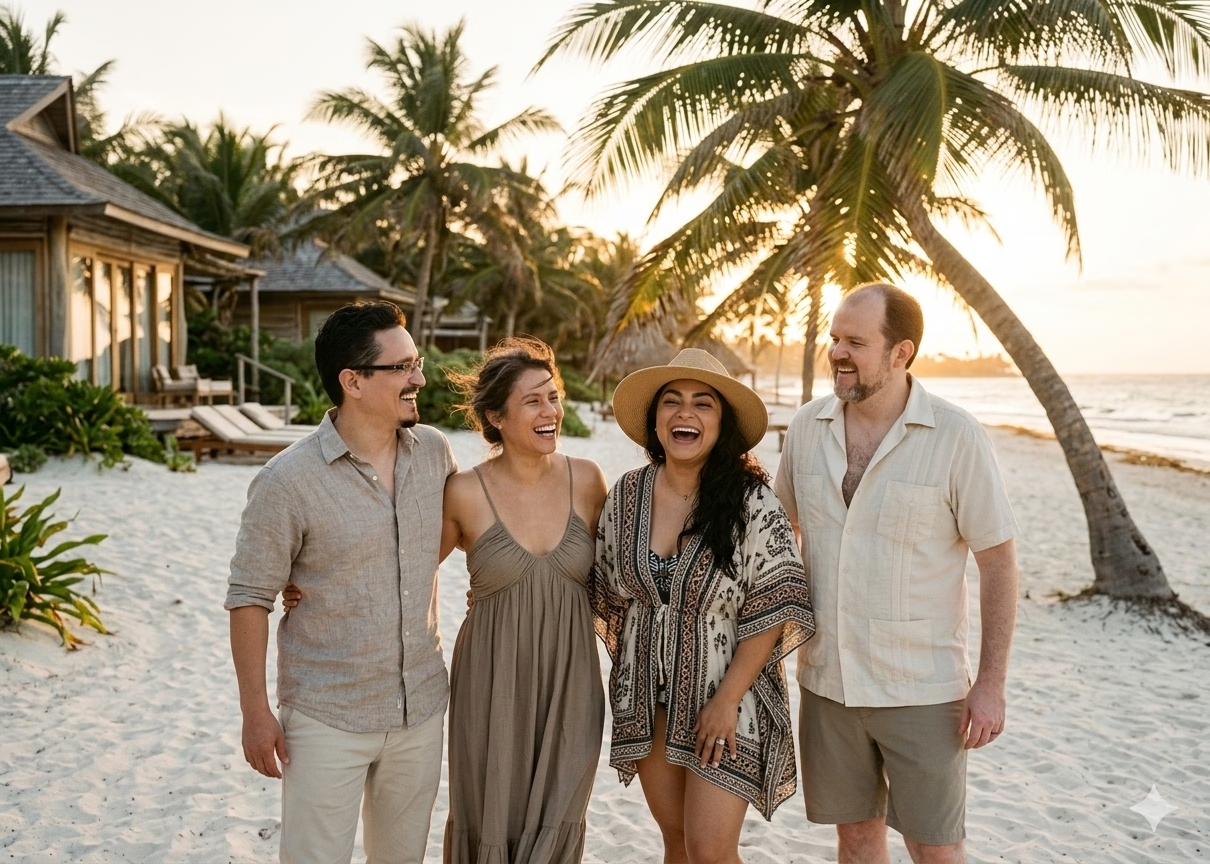
Hilton provides a gallery page for the property. Property photography helps you assess mood, architecture, lighting, and potential placement areas. It is not proof that the hotel gallery contains AI generated portraits or activation outputs.
The difference is practical. A hotel gallery is typically designed to show spaces, rooms, dining, and atmosphere. An AI photo activation is an event system with a capture point, guest interface, image processing path, approved creative templates, participant permissions, and a delivery mechanism.
Asset Or Experience | What It Usually Shows | What You Still Need To Verify |
|---|---|---|
Hotel gallery | Property interiors and venue atmosphere | Whether an activation was present or approved |
Event venue page | Meeting and event availability | Room access, load in rules, and activation footprint |
AI portrait booth | Participant capture and transformed outputs | Processing time, consent, delivery, and staffing |
Campaign image gallery | Branded participant content | Date, sponsor, vendor, and rights to use likenesses |
If you are reviewing photos sent by a vendor or colleague, ask three plain questions: _Where was this taken? When was it deployed? Who authorized its use?_ A clear answer separates a legitimate event reference from an attractive but unrelated sample image.
The Right Questions To Ask Before You Promote It
You do not need to turn a venue inquiry into a legal deposition. You do need enough detail to avoid promoting a feature that has not been approved. Ask the hotel and activation supplier for a written answer covering these points:
- Venue authorization: Which room or event area is proposed, and is an interactive photo installation permitted there?
- Production ownership: Who supplies the camera, lighting, computer, printer, display, staffing, and AI software?
- Creative approval: Who signs off on prompts, branded scenes, logos, type treatment, and any use of hotel imagery?
- Guest eligibility: Is it available to invited attendees only, registered hotel guests, or a broader audience?
- Privacy workflow: What does the guest agree to, what information is collected, and when are images deleted?
- Performance definition: What counts as success: completed portraits, email captures, printed keepsakes, dwell time, or social shares?
A useful confirmation is specific. “We can accommodate an activation in the ballroom with a six foot by eight foot footprint and a dedicated circuit” is actionable. “We have done photo booths before” may be encouraging, but it does not answer the AI, privacy, or logistics questions.
How To Design The Guest Experience
Start With The Outcome, Not The Technology
An AI photo activation should solve an event objective. If the goal is a premium gala keepsake, the experience may prioritize polished portraits and archival quality prints. If the goal is product awareness, it may prioritize a branded visual world and fast mobile delivery. If the goal is lead capture, the focus may shift to opt in screens and an approved follow up path.
The same hardware can create very different guest experiences. Consider an executive reception: attendees might pose for a studio lit portrait, choose one of three restrained editorial treatments, review their favorite, and receive a branded digital card by text or email. The experience feels premium because choices are limited and the final image is controlled.
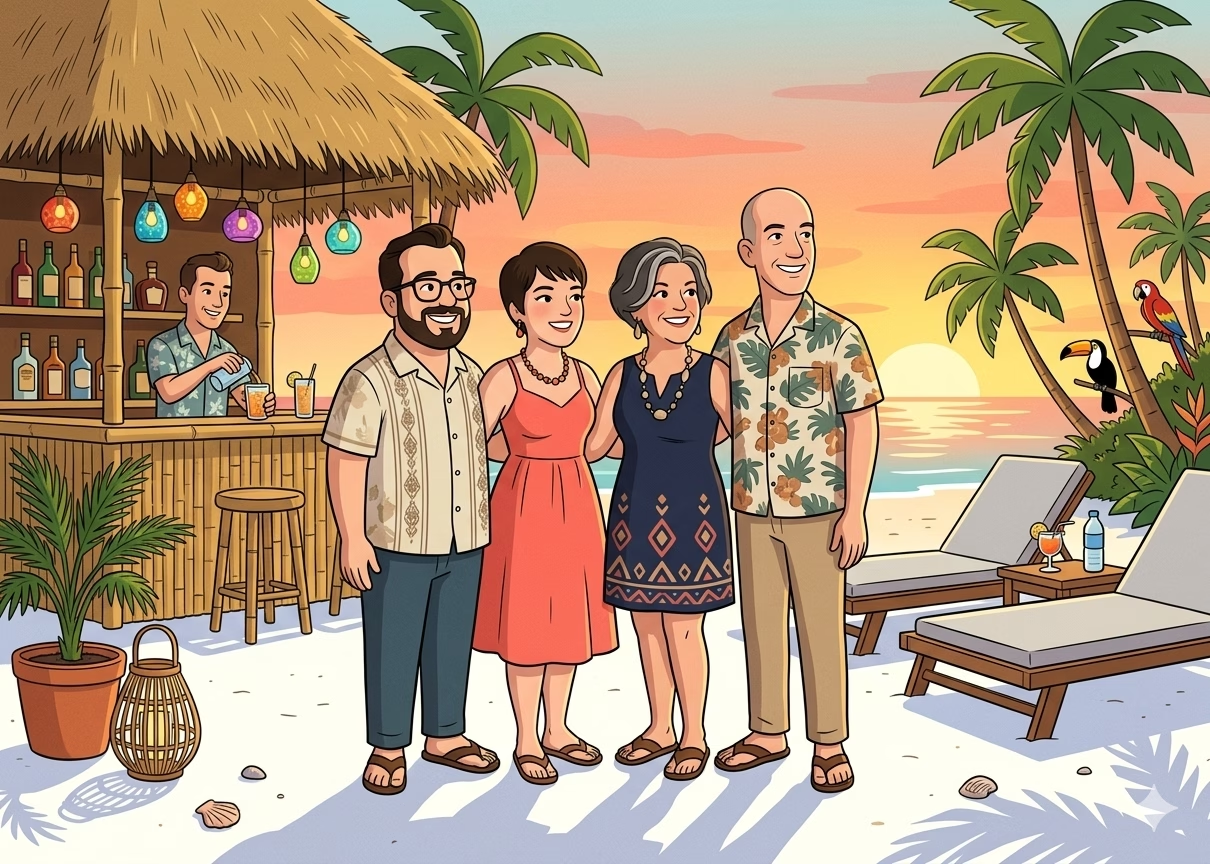
Now consider a public facing launch. Guests may select a playful campaign world on a touchscreen, pose with friends, and receive a short animation or several variations. That format can produce more energy, but it needs a queue plan and clear expectations. More choices can mean more hesitation, slower throughput, and greater inconsistency.
For broader selection criteria, an AI photo booth rental Los Angeles planning guide can help you compare concepts before narrowing your event brief.
Understand What Happens Under The Hood
Most AI photo activations follow a similar sequence, even when the guest sees only a simple screen.
- Capture: A camera or tablet captures a portrait, often supported by controlled lighting and a defined pose area.
- Selection: The guest chooses a theme, format, or campaign variation from approved options.
- Processing: Software sends the image through an AI workflow that may use face enhancement, background replacement, style transformation, image generation, or compositing.
- Review: The guest sees a result, and the system may allow a reroll or another approved variation.
- Delivery: The image is printed, texted, emailed, displayed on screen, or accessed through a download page.
- Reporting: The operator reviews completion data, delivery status, opt in records, and any technical exceptions.
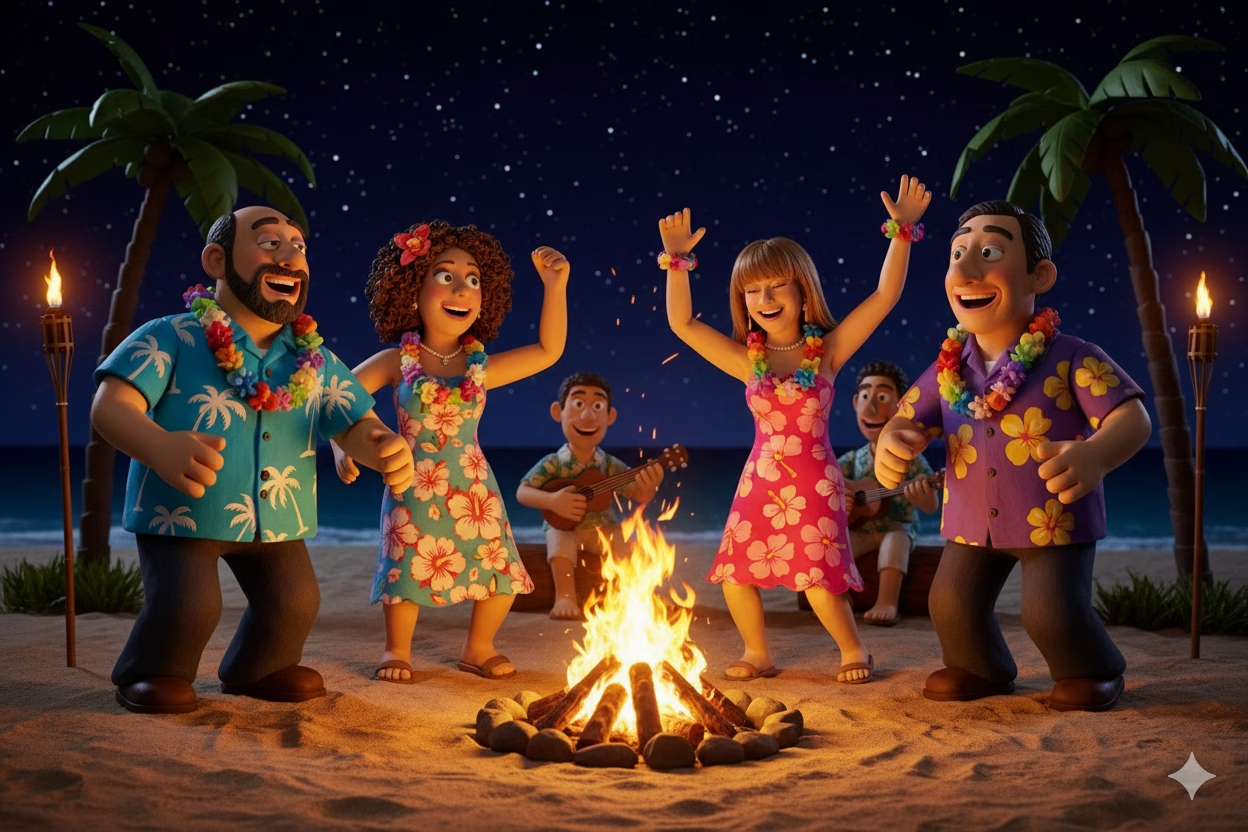
The phrase “AI generated” can describe several different techniques. Background replacement is not the same as a fully generative portrait. Face swapping is not the same as applying an illustrated style. A composited brand frame may use no generative model at all. Ask vendors to describe the exact processing method in plain language, especially if campaign stakeholders need to approve likeness handling.
Make Creative Choices That Support Throughput
For a hotel event, a refined concept usually beats an endless menu of styles. Three choices are often easier to understand than twelve. Guests can decide quickly, operators can explain the experience consistently, and the brand team can review every likely output before doors open.
Design Decision | Choose This When | Avoid It When |
|---|---|---|
One signature AI look | You need fast lines and strict brand consistency | Guests expect broad creative control |
Three curated themes | You want variety without major decision delay | Every option requires different staffing or props |
Fully open text entry | The audience is small and moderation is available | The activation is public, high volume, or brand sensitive |
Printed portraits | A physical keepsake supports the event | Space, paper handling, or power is constrained |
Mobile delivery | You need fast sharing and measurable delivery status | Cellular coverage and consent flow are uncertain |
Fair warning: the best visual reference may still be the wrong activation design. A detailed cinematic result that takes several minutes to generate can frustrate guests at a crowded cocktail reception. In that setting, a simpler transformation that arrives quickly may create more completed interactions and fewer abandoned sessions.
For hotel specific planning considerations in the central city area, review an AI photo booth rental Downtown Los Angeles planning guide. The key is to match the activation’s speed and footprint to the actual event schedule, rather than to a mood board alone.
How To Operate An AI Photo Activation
Build For The Physical Room
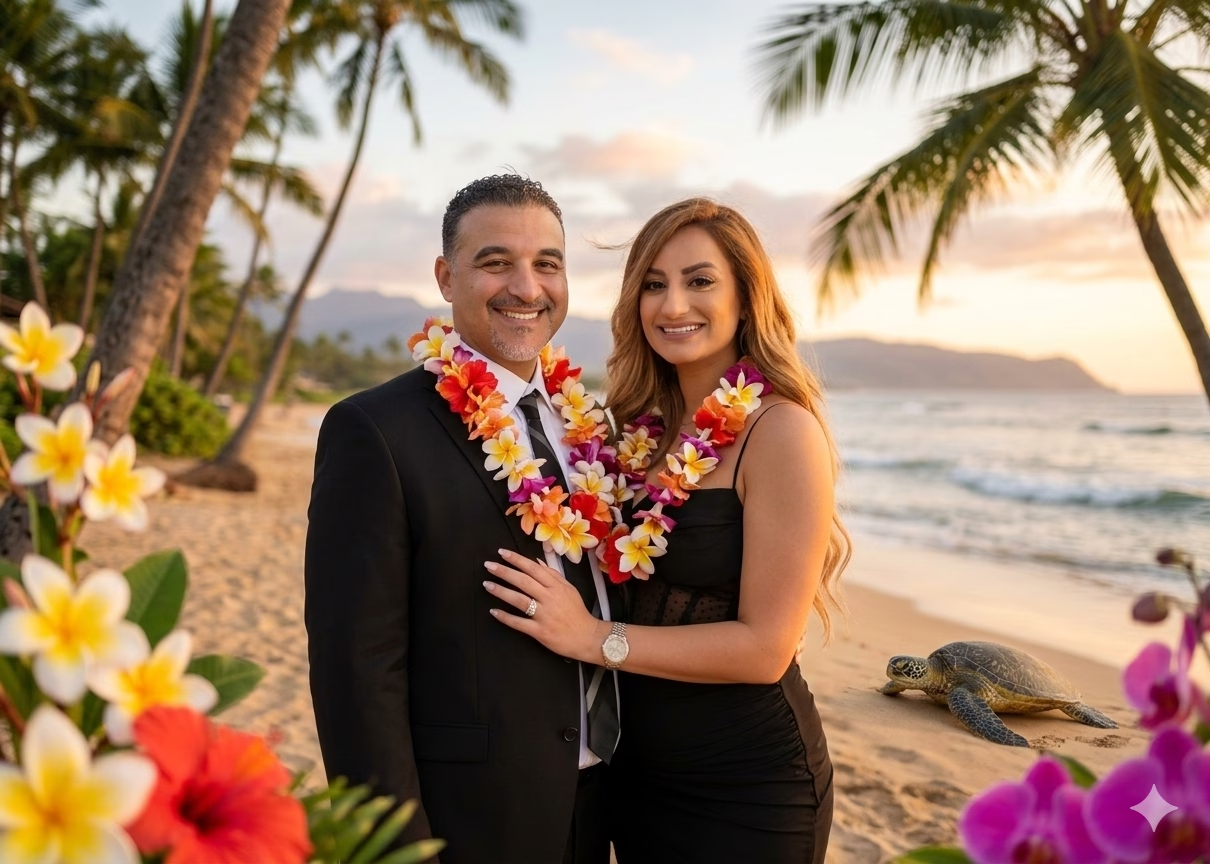
An AI photo experience requires more than a screen in a corner. You need a camera sightline, flattering and controlled light, a visible but orderly queue, room for guests to step aside after capture, and a workstation that is safe from accidental bumps. The installation should also respect sightlines to the stage, bar, registration desk, or service paths.
A typical planning conversation should cover dimensions, ceiling height, elevator access, arrival windows, loading procedures, power location, furniture moves, fire egress, and teardown timing. If the activation includes a printer, ask where finished prints will collect. If it includes a large display, verify that ambient lighting will not wash it out.
A compact setup may suit a small reception. A branded scenic build can create a stronger visual destination for a launch or influencer event, but it requires more lead time, approval, and coordination. Do not assume a larger footprint equals better engagement. A well placed compact portrait station near the natural flow of guests can outperform a beautiful installation hidden behind a closed door.
Protect Consent, Privacy, And Brand Safety
AI photo activations process a person’s likeness. That makes consent a design requirement, not a line of small print. Before capture, guests should be told what will happen to their image, whether contact details are optional, how long files are retained, whether images may be displayed publicly, and who to contact with a deletion request.
The exact policy depends on the vendor’s system and the event’s purpose. Still, your operating plan should answer these questions:
• Can a guest participate without marketing opt in?
• Are images used only for delivery, or may the sponsor reuse them?
• Is the generated portrait shown on a public display before the guest approves it?
• Are raw source photos retained separately from the final AI output?
• Is there a documented deletion process after the event?
• Who can access the gallery and exports?
Brand safety also includes prompts and output review. A controlled menu reduces the chance of an off brand or inappropriate result. If free text entry is essential, add moderation rules and a recovery path. For example, an operator should be able to remove a problematic request, explain that the selection is unavailable, and offer a preapproved theme without embarrassing the guest.

Plan For Failure Before The Event Opens
Every interactive experience should have a fallback mode. AI processing can slow down. Wi Fi can become congested. A text delivery link can be filtered. A printer can run out of media. These issues do not have to end the guest experience if the team has a clear response.
Potential Issue | Guest Facing Recovery | Operational Recovery |
|---|---|---|
Slow generation | Set an accurate expectation and offer digital delivery later | Switch to a lighter approved style or local queue |
Network interruption | Capture the portrait and explain delayed delivery | Use backup connectivity and store sessions securely |
Printer problem | Offer text or email delivery instead | Refill media, restart safely, or shift to digital only |
Queue congestion | Use timed participation or a host to guide choices | Reduce options and move review off the capture station |
Unwanted output | Retake or choose another approved style | Remove the output from display and document the exception |
The most reliable teams test the entire journey, not just the camera. That includes consent language, QR code behavior, email and SMS delivery, print color, landing page branding, and backup connectivity. A test photo that looks good on a laptop is not enough. You need to know whether it still looks good under event lighting and whether a guest can receive it without help.
If you are comparing luxury hotel approaches, the AI photo booth at the Beverly Hills Hotel guide offers a useful reference point for aligning elevated visual design with guest flow and operational discipline.
FAQ
Did Hilton Checkers Los Angeles Host An AI Photo Activation?
A specific Hilton Checkers Los Angeles AI photo activation is not publicly verified by the available hotel and venue materials. Public information confirms the hotel and its event related presence, but it does not identify an activation date, vendor, campaign, or result. Request primary confirmation from the event organizer, hotel, or proposed supplier before presenting it as a past installation.
When Did The Hilton Checkers AI Photo Activation Take Place?
No confirmed date is available in the provided public information. If someone references a prior activation, ask for an event name, date, approved images, and the responsible production contact. Without those details, it is more accurate to describe the idea as a potential event activation at the property.
Which Company Created Or Operated The Activation?
No supplier, technology provider, or experiential agency is publicly identified for a Hilton Checkers activation. Do not infer a vendor from unrelated hotel photography, general event listings, or example images from another venue.
What Would Guests Receive From An AI Photo Experience?
That depends on the event design. Common outputs include a digital portrait sent by text or email, a QR download, a printed card, a branded animated clip, or a gallery link. Confirm the exact delivery method, timing, and whether participation requires a phone number or email address.
Could Guests Choose Themes, Backgrounds, Or Branded Designs?
Yes, a privately produced activation can be designed with choices, but the number of options should match the event’s traffic. One signature look supports speed and consistency. Two or three approved themes add personalization. Unlimited text input creates more risk and may require moderation.
Can An AI Photo Activation Be Booked At Hilton Checkers Los Angeles?
Potentially, subject to venue approval and the details of your event agreement. Start with the hotel’s event team and confirm room assignment, installation dimensions, power, connectivity, load in timing, insurance requirements, and any restrictions on signage, equipment, or staffing.
What Equipment And Connectivity Would It Require?
Most installations need a capture device, controlled lighting, a guest interface, processing computer, power, and a stable network path. Depending on the creative, they may also require a printer, backdrop, large display, cellular backup, and on site attendant. The final equipment list should come from the vendor’s technical plan, not a generic description.
How Should Participant Privacy Be Handled?
Use clear consent before capture, separate marketing opt in from basic participation where appropriate, disclose delivery and retention practices, and give guests a route to request deletion. You should also establish who owns the files, who may access them, and whether any images will appear on public displays or social channels.
Conclusion
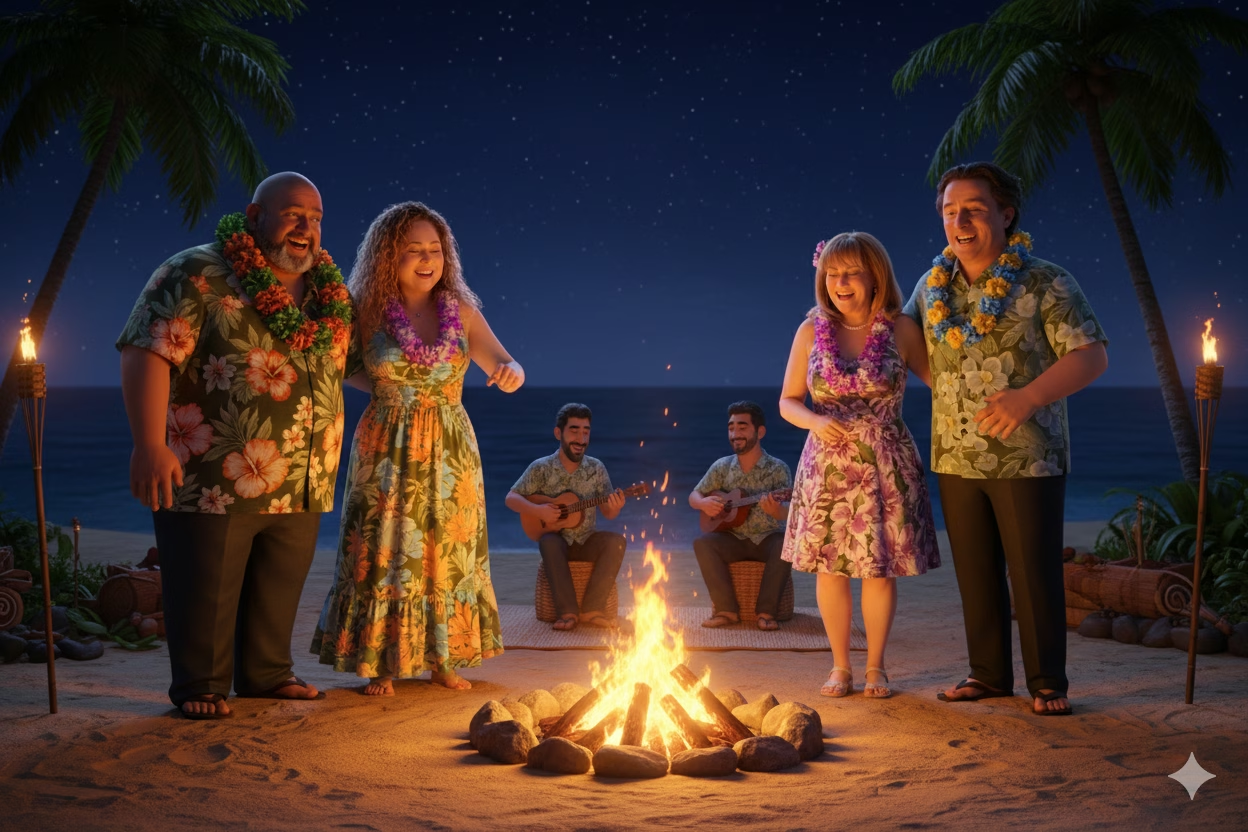
A Hilton Checkers Los Angeles AI photo activation may be an effective way to turn a hotel event into a personalized, branded interaction. Still, the available public information does not verify a past AI installation at the property. The responsible approach is simple: confirm the venue, define the guest journey, test the technical workflow, and make consent visible before you market the experience.
When those pieces are in place, AI photography can feel less like a novelty and more like a thoughtful part of your event design: a polished portrait, a memorable brand touchpoint, and a shareable guest takeaway.
Ultimately, planning a Hilton Checkers Los Angeles AI Photo experience requires meticulous coordination rather than relying on past assumptions. While a Hilton Checkers Los Angeles AI Photo concept offers immense engagement potential, you must secure venue approval for your specific Hilton Checkers Los Angeles AI Photo setup. Every Hilton Checkers Los Angeles AI Photo deployment depends on reliable network infrastructure, so test your Hilton Checkers Los Angeles AI Photo workflow on-site. When budgeting for a Hilton Checkers Los Angeles AI Photo, prioritize guest privacy, as every Hilton Checkers Los Angeles AI Photo requires clear consent. A successful Hilton Checkers Los Angeles AI Photo activation is defined by seamless execution, ensuring your Hilton Checkers Los Angeles AI Photo output aligns with brand standards. Before finalizing, confirm that your Hilton Checkers Los Angeles AI Photo vendor understands the property layout. If you treat the Hilton Checkers Los Angeles AI Photo as a bespoke service, your Hilton Checkers Los Angeles AI Photo will shine. Remember, a Hilton Checkers Los Angeles AI Photo is not a standard amenity; it is a custom Hilton Checkers Los Angeles AI Photo project. By vetting your Hilton Checkers Los Angeles AI Photo strategy, you ensure your Hilton Checkers Los Angeles AI Photo delivers a high-quality, professional guest experience.