What Is an AI Photo Booth and How Does It Work?
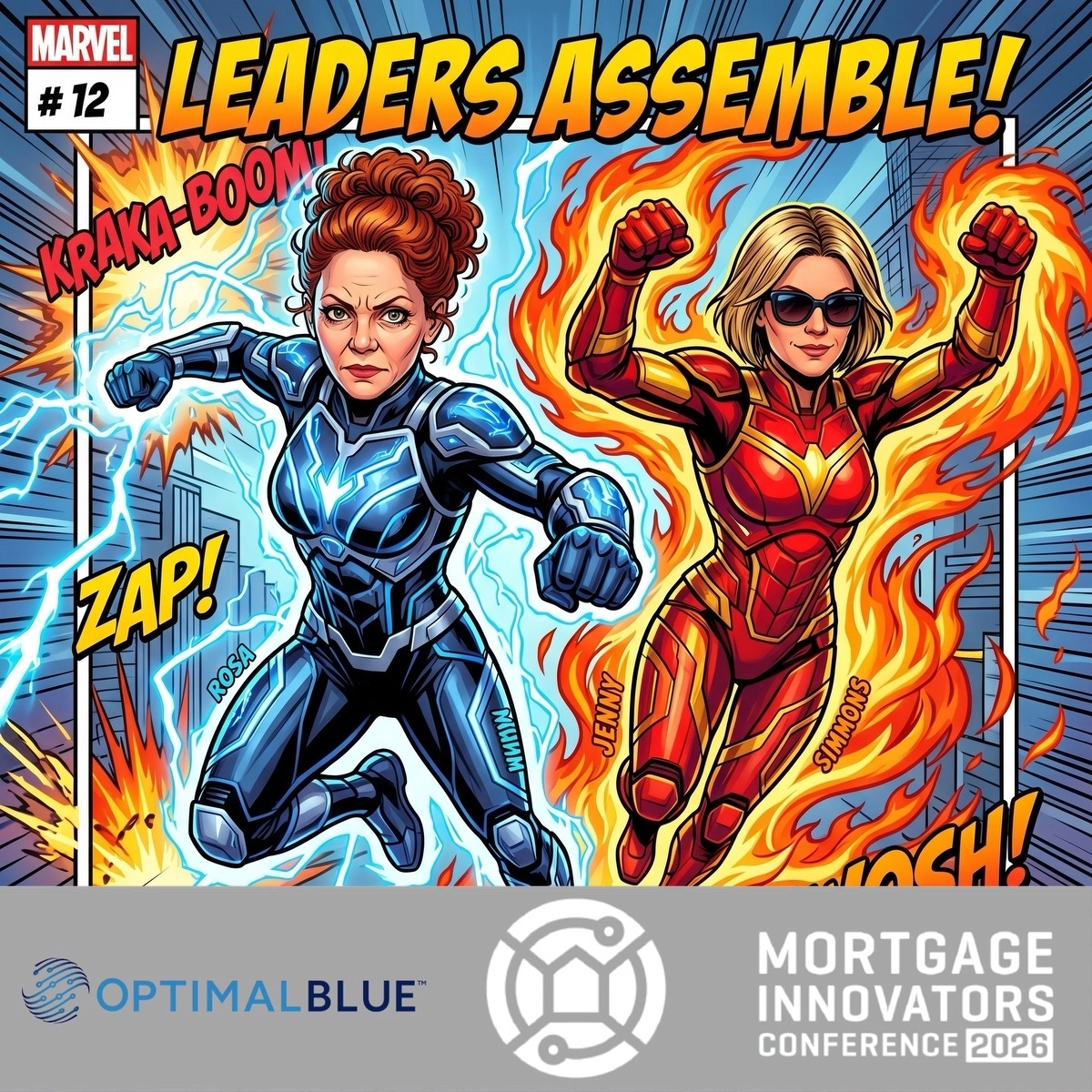
An AI photo booth is a photo experience that uses artificial intelligence to transform a guest’s photograph into a piece of art. Rather than handing back the same frame with a filter on top, the booth reads the image, keeps the person’s actual pose, and rebuilds the scene around them. The output can be a superhero portrait, a themed illustration, a stylized headshot, or a guest standing inside a brand’s world.
That single idea, transforming the person while keeping them recognizably themselves, is what separates an AI booth from a classic one. The steps behind it are simple enough for a guest to finish in one sitting, but the technology underneath covers image analysis, generative image models, and instant delivery to a phone or a printer. Here is how the pieces fit together, and where this kind of activation lands at events around Anaheim.
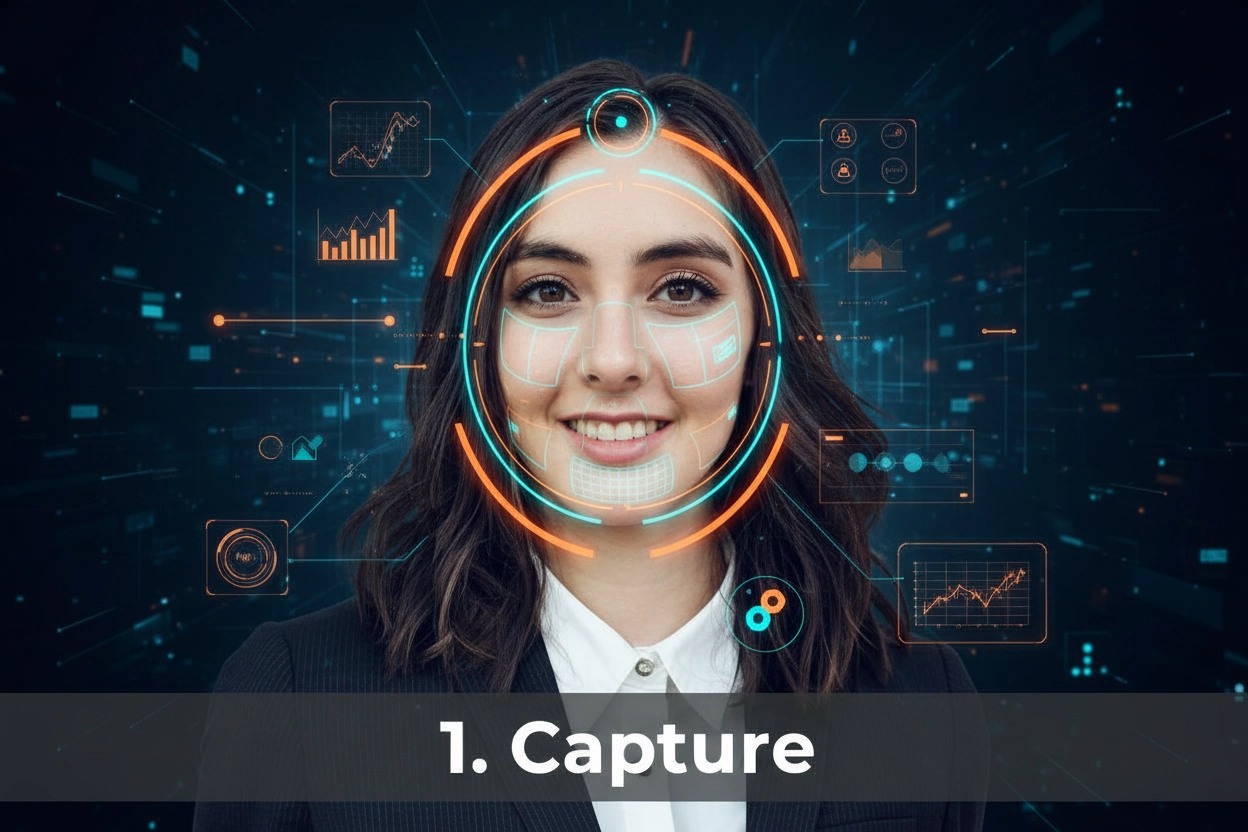
How an AI photo booth works, step by step
Most setups follow the same arc from first tap to final share.
-
The guest steps in and starts the session on a touchscreen or inside the booth app.
-
The photo is captured directly in the app, so nothing has to be exported or handed off.
-
The AI analyzes the image, checking lighting, pose, and expression so the final result looks intentional rather than accidental.
-
Generative AI generates the new scene, placing the guest into a branded, themed, or artistic setting while keeping the exact pose.
-
Overlays get applied. Logos, frames, and other custom graphics can be layered onto the finished portrait.
-
The guest receives the photo, whether that means an instant print, a QR code, an email, or a social share.
Every one of those stages happens inside a system the guest never has to think about. From their side, it is a few taps and a short wait. From the operator’s side, it is a chain of capture, analysis, generation, and delivery that has to hold up while a line is forming.
What the AI actually does to the photo
Three distinct jobs happen inside the booth, and each one affects how the finished portrait looks.
-
Enhancement: the software analyzes lighting, poses, and expressions, which helps every photo come out looking clean and consistent even in a dim reception hall.
-
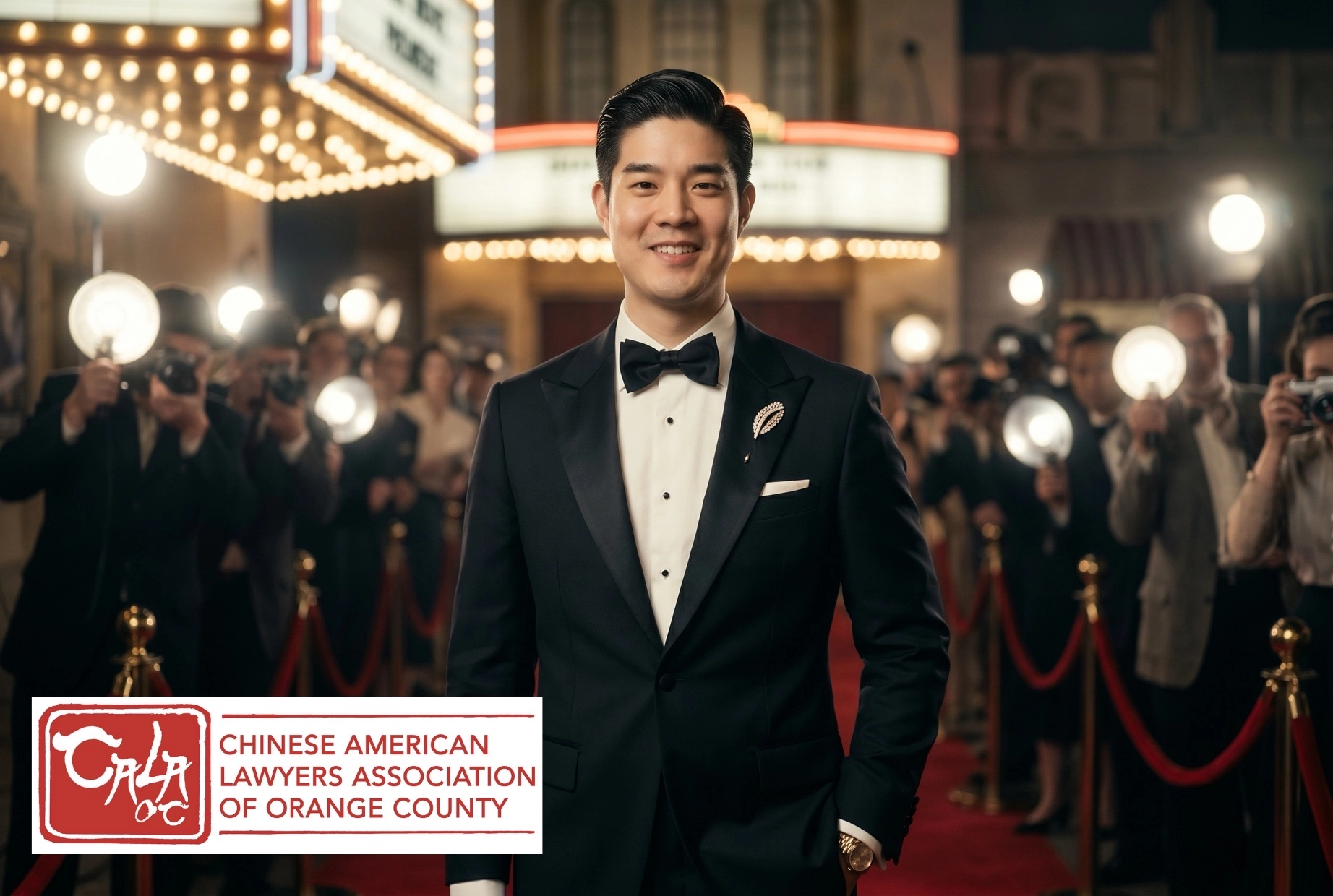
Transformation: the guest is placed into a new scene, whether that is a superhero universe, a themed illustration, a film world, or a custom set built for the event.
-
Personalization: branded elements, overlays, and custom effects tie the portrait back to the host, the sponsor, or the celebration itself.
Team livery, a film-inspired backdrop, or a fully custom environment are all fair game. The guest stays the subject. The setting is what changes.
Real-time processing versus after-capture processing
An AI photo booth uses artificial intelligence to enhance, transform, or personalize photos either in real time or after capture. That choice shapes how the experience feels on the floor.
Real-time processing
When generation happens live, the guest watches the transformation happen on screen and walks away almost immediately. This tends to work well at receptions with a steady flow of guests, because the reveal itself becomes part of the entertainment. The booth holds attention without needing anyone to explain what just happened.
After-capture processing
When generation happens after the shot is taken, the booth can push a heavier or more elaborate transformation, since it is not racing against a guest standing in front of the camera. Delivery still happens through prints, QR codes, email, or social sharing. For brand activations where the quality of the final image matters as much as the speed, this route is often the better fit.
What guests walk away with
Guests can expect smart digital photos with custom effects, virtual props, instant sharing, and enough interactivity to make them want a second run. Depending on how the booth is configured, they may leave with a printed portrait, a digital file sent to their phone, or both.
Prints typically come out as instant strips or full-size prints. Digital delivery usually happens through a QR code, an email, or a direct share to social. Virtual props and custom effects give guests something to play with beyond a standard pose, which keeps the booth busy long after the first round of photos.
AI photo booth versus classic photo booth
A classic booth documents the moment. A guest stands in front of a backdrop, the camera fires, and the strip shows the room exactly as it was. That is still a good product, and plenty of events are well served by it.
An AI booth takes the same starting point and adds a second layer. The photograph becomes raw material. It is not just a photo booth, it is a portal into a different setting, and the guest is the one stepping through it. Hosts who want a keepsake that looks like the party usually lean classic. Hosts who want a keepsake that looks like nothing else at the party usually lean AI.
Why event hosts and brands book AI booths
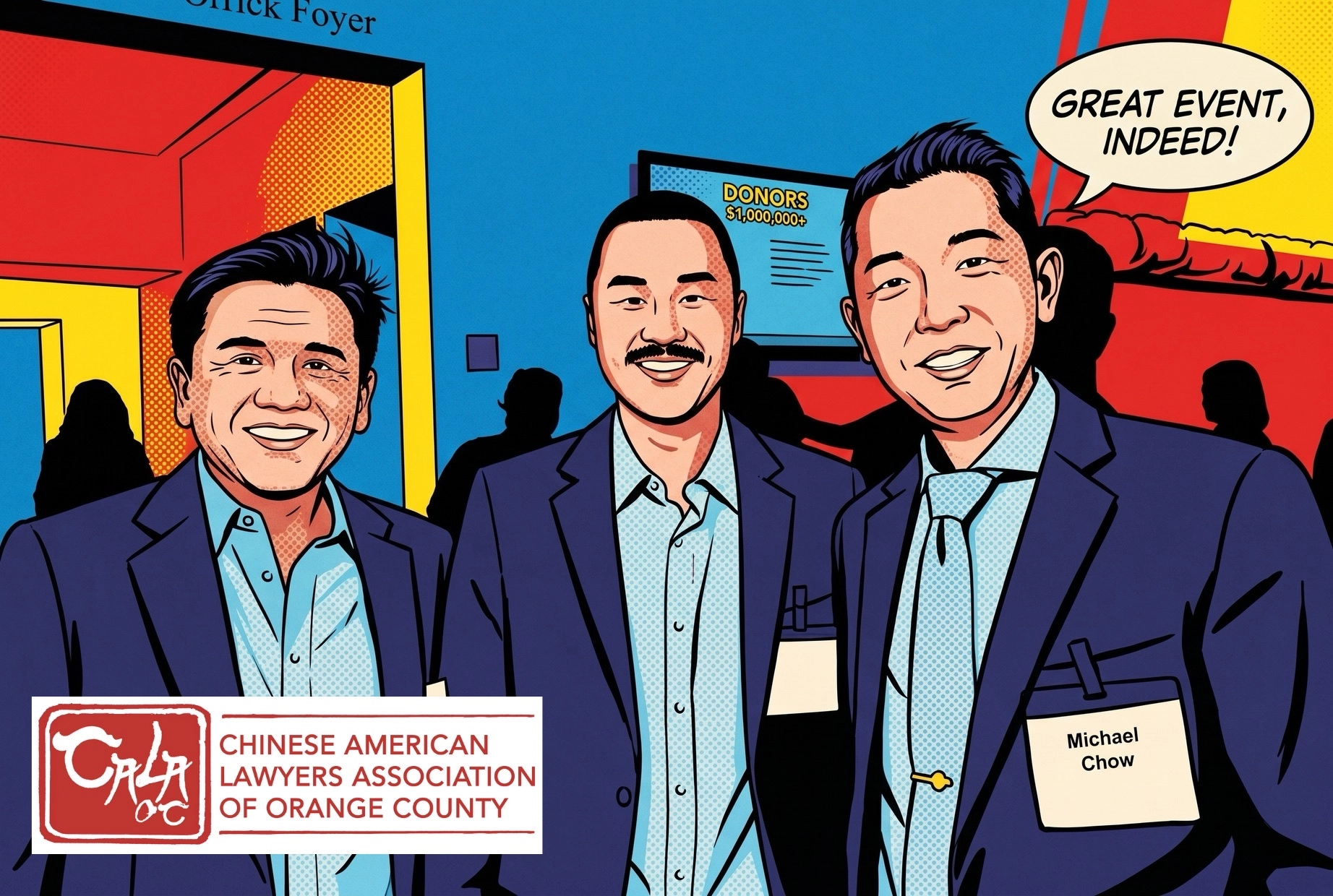
The draw is not only novelty. AI booth activations are used in experiential marketing to capture leads, generate shareable content, and run on a range of devices rather than a single fixed setup. A branded scene puts the sponsor’s identity directly into the photo a guest chooses to post, which is a different outcome than a logo on a step-and-repeat banner.
For private events, the appeal is simpler. Weddings, birthdays, proms, galas, and bar and bat mitzvahs all benefit from an activity that produces something guests genuinely want to keep. A transformed portrait tends to travel further than a standard strip because it is unusual enough to share.
Where AI photo booths fit around Anaheim
Anaheim has an unusual mix of venues, from resort hotels to cultural institutions to golf courses, and each one asks something different from a photo activation. The booth itself adapts, but the setting shapes how it gets used.
Serving SOCAL Events of All Types
Hosting your event in Anaheim? Explore our Anaheim AI photo booth experiences to compare options for your celebration, convention, or corporate event.
Hotel and resort events in the Anaheim Resort District
Properties such as the JW Marriott Anaheim Resort, the Westin Anaheim Resort, the Anaheim Majestic Garden Hotel, and Great Wolf Lodge Anaheim host everything from corporate conferences to family celebrations. An AI booth works in these spaces because it gives guests a reason to linger in a lobby or ballroom foyer, and because branded themes can be adjusted for whatever group is in house that week.
Corporate and branded activations
Venues like City National Grove of Anaheim, the Muzeo Museum and Cultural Center, and SunSational Events Center Anaheim suit launches, mixers, and client events where the photo doubles as marketing. Custom backgrounds and overlays keep the brand in frame, and the shareable output extends the reach past the room.
Private celebrations and dining venues
The Ranch Restaurant & Saloon and Anaheim Hills Golf Course both host private gatherings where the booth becomes part of the evening’s flow rather than a separate station. In Downtown Anaheim, the Platinum Triangle, and the Anaheim Resort District, the same setup fits rehearsal dinners, milestone birthdays, and company parties with minimal adjustment.
Questions to ask before you book
The quality of an AI booth comes down to how it is configured for your event, so a short conversation with the provider covers most of the uncertainty.
-
Which AI themes, backgrounds, or scene styles are available, and can new ones be built for this event?
-
Can logos, frames, and other branding be added to the finished portrait?
-
Does the package include printing, digital delivery, or both?
-
How much floor space, power, and setup time does the booth need?
-
Will an attendant be on site for the full event?
-
How long does each guest’s transformation take at a busy moment?
Pricing in this category varies widely by market, package, and customization, and it is not something that can be estimated from a general article. Rates should always be confirmed directly with the provider you are considering, along with any deposit or travel terms.
What to verify rather than assume
A few practical details are not standardized across the industry. The exact processing speed, the range of available AI themes, whether printing is included, and how photos are delivered are all vendor-specific. Anyone comparing providers should ask each one the same set of questions and compare the answers side by side rather than relying on a general description of how AI booths work.
That habit matters more with AI than with traditional booths, because the technology behind these systems is still developing quickly. A booth that produced one style of portrait last season may offer something different this season. The workflow described here, capture, analysis, transformation, branding, and delivery, is what stays consistent.
Frequently Asked Questions
What makes a photo booth an AI photo booth?
The defining feature is generative AI. A standard booth captures the moment and prints it. An AI booth takes that same photo and rebuilds it, placing the guest into a themed or branded scene while preserving their exact pose. Stylized headshots, illustrations, and superhero portraits are all common outputs from these systems.
Can logos and branding be added to AI photos?
Yes. Custom overlays, logos, and frames can be added to the transformed image, and custom AI backgrounds can be built around a specific theme. For corporate events and brand activations, this is often the main reason a host chooses an AI booth over a traditional one, since the sponsor ends up inside the photo itself.
Do guests get prints or digital copies?
It depends on the package. Instant printing is common, whether as strips or full-size prints, and instant sharing by QR code, email, or social is standard on most modern setups. Some events run both, with a print station and a digital delivery link so guests can choose what they want right there.
How long does the AI transformation take?
Processing can happen in real time or after the photo is captured, and the timing varies by system and by how complex the chosen scene is. Because there is no universal standard, this is one of the first questions to ask a provider, especially if your event has a tight schedule or a large guest count.
Can an AI photo booth work at a corporate event?
It is a good fit for conferences, trade shows, grand openings, and company parties. AI activations are used in experiential marketing to capture leads and generate shareable content, and they can be built around a brand’s colors, characters, or campaign imagery rather than a generic backdrop.