Muzeo Museum and Cultural Center AI Booth Guide
Introduction
If you are evaluating a Muzeo Museum and Cultural Center AI booth for a public program, private gala, brand activation, or cultural event, the most important answer comes first: a Muzeo-operated AI booth is not clearly confirmed in publicly available venue materials. Muzeo is an Anaheim community art center, as described on the Muzeo Museum and Cultural Center official website, but its public pages do not appear to identify a permanent, branded AI booth with published specifications, hours, pricing, or privacy terms.
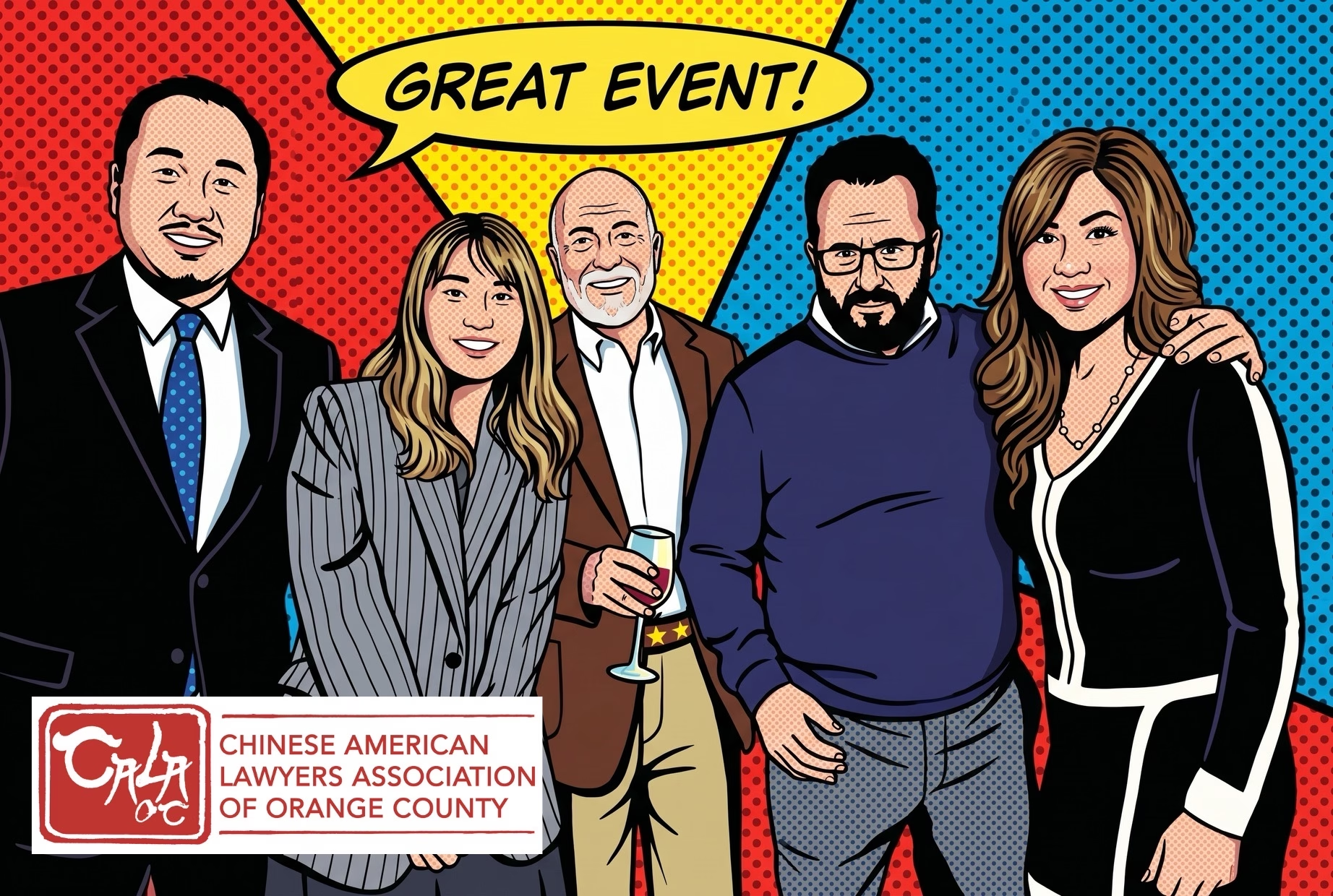
That does not mean an AI photo experience cannot be used at Muzeo. It means planners should treat it as a proposed event feature or third party activation until Muzeo’s events team confirms the details. This distinction matters. A museum interpretation kiosk, a generative AI portrait station, and an event photo booth can all be called an “AI booth,” yet they involve very different visitor journeys, data practices, staffing needs, and budgets.
TL;DR
A Muzeo Museum and Cultural Center AI booth is not publicly verified as a permanent museum installation. If you want one for an event, confirm vendor approval, placement, connectivity, accessibility, staffing, image consent, and data retention with the venue and booth provider before booking.
Table Of Contents
Section | What You Will Learn |
|---|---|
How to separate a museum exhibit from an event activation | |
Workflow, technical requirements, and guest experience decisions | |
The practical decisions that matter most | |
Direct answers for visitors and event planners | |
How to move from interest to a workable proposal |
What The AI Booth Could Mean At Muzeo
Confirm The Use Case Before You Compare Vendors
The phrase “AI booth” can describe several technologies. Before asking for a quote, define the outcome you want. For a cultural institution or event venue, the best option depends on whether the goal is interpretation, guest entertainment, lead capture, branded social content, or a blend of those goals.
AI Booth Model | What Guests Do | Best Fit | Main Planning Concern |
|---|---|---|---|
Generative portrait booth | Pose for a photo and receive AI styled images | Galas, receptions, launches, themed celebrations | Consent, output review, and queue flow |
Interactive cultural kiosk | Ask questions or explore exhibit related content | Educational programming and exhibitions | Accuracy, curatorial review, and accessibility |
AI caption or storytelling station | Add prompts, memories, or captions to a photo | Community programs and donor events | Moderation and privacy of written submissions |
Hybrid photo and interpretation station | Create an image while learning about an exhibit theme | Family days and sponsored museum programs | Clear separation between art interpretation and marketing |
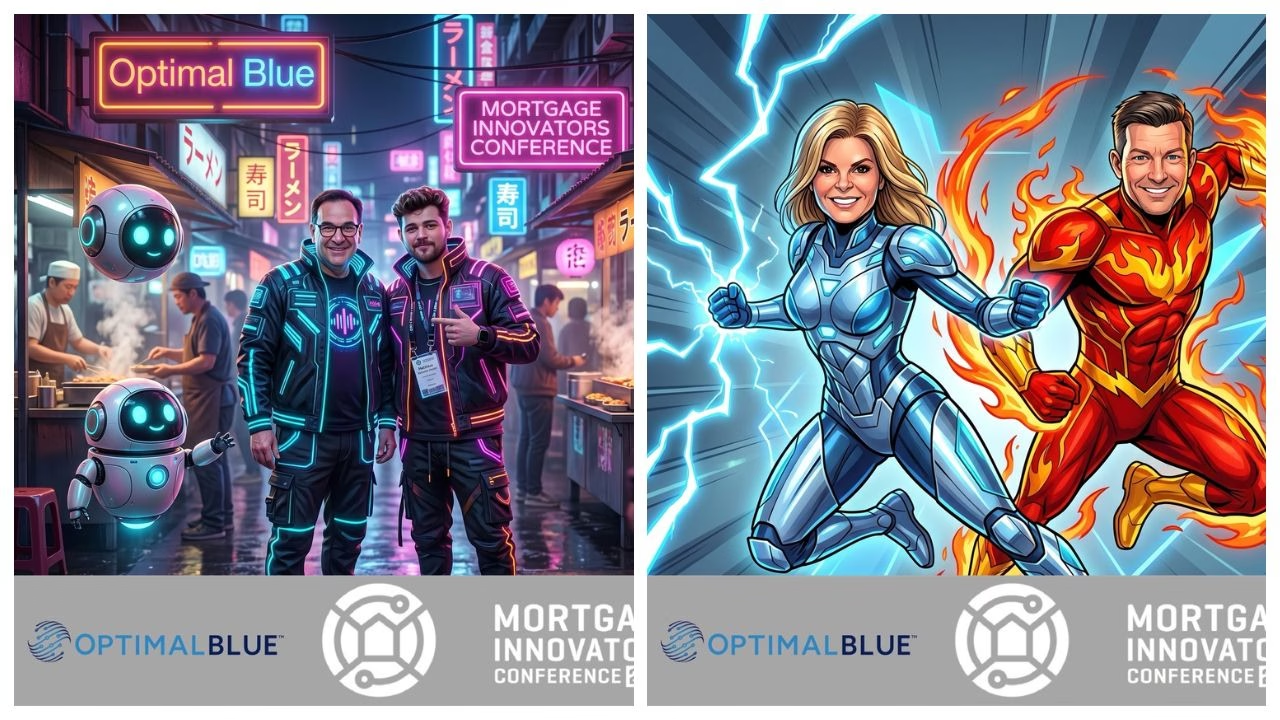
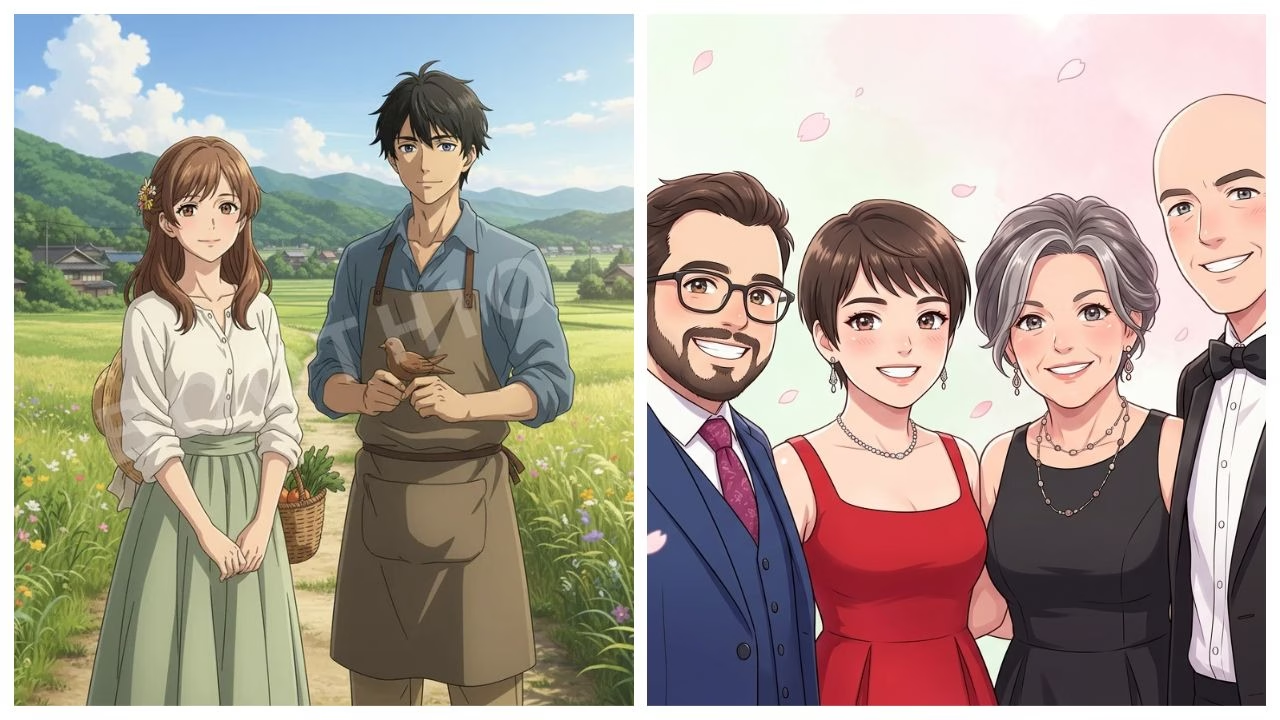
A portrait activation may let a guest choose an artistic direction, capture an image, and receive a digital gallery through email, text, or QR code. The AI system typically uses the captured image and a preset visual prompt to create variations. The strongest systems keep the workflow short: choose a style, pose, review, then share. If guests must enter long prompts, create accounts, or troubleshoot their phones, the line can become the experience instead of the exhibit.
For decision makers, the key question is simple: What should a guest remember five minutes after using it? If the answer is “I learned something specific about the exhibition,” you need curatorial oversight and educational content. If the answer is “I received a polished, branded portrait that I wanted to share,” you need studio lighting, fast delivery, and a well managed queue.
A third party Anaheim vendor’s Anaheim photo booth rental venue listing treats Muzeo as an active event venue for booth rentals. That suggests outside providers may support on site activations, but it does not verify that a specific AI booth is approved, installed, or available for every Muzeo event.
An Event Feature Is Not Automatically A Museum Exhibit
This is the most useful distinction for avoiding misunderstandings. A museum exhibit is generally designed around interpretation, collections, scholarship, and public access. An event activation is designed around participation, atmosphere, audience engagement, and sometimes marketing results. Both can support cultural learning, but their operating standards differ.
Consider a corporate reception held alongside a rotating exhibition. A generative portrait booth could offer guest images inspired by a broad visual theme, provided the concept respects the exhibition and does not imply that the museum endorses every generated result. In that case, the booth functions as event entertainment. It should not present speculative AI text as museum scholarship or suggest that generated art comes from the collection.
For a public educational program, the bar is higher. If guests can ask an AI system questions about local history, artists, or cultural heritage, the answers need boundaries. The system should identify uncertainty, point guests toward verified exhibit materials, and avoid inventing facts. A well designed interface can say, “This response is an interactive guide, not a substitute for exhibit labels or museum staff.” That is clearer than creating an illusion of authority.
Why AI Can Add Value When It Has A Clear Role
Technology earns its place in a cultural setting when it helps visitors participate without distracting from the cultural experience. AI can make an abstract theme more personal. A guest might select visual elements inspired by an exhibit’s color palette, create a digital keepsake, and receive an invitation to learn more about the featured artist or program.
The relevant question is not whether AI is novel. It is whether the interaction is purposeful. Review What is an AI Photo Booth? when your team needs a plain language explanation of the technology, its photo workflow, and the differences from a conventional booth.
Avoid AI if the event needs a simple, instant, low risk photo moment with no data questions and no dependence on a strong network. A traditional photo booth can be the better choice when speed, physical prints, or a classic guestbook matter more than stylized digital output.
How To Plan A Reliable AI Booth
Start With A Venue And Vendor Approval Workflow
Because public Muzeo information does not publish an AI booth product page or technical deployment rules, a planner should not assume access during public hours, inclusion with admission, or a standard rental package. Build the project around written confirmation from the venue and the selected provider.
Use this sequence:
- Define the activation purpose: guest entertainment, fundraising, education, sponsor visibility, lead collection, or social sharing.
- Ask Muzeo’s events team whether the booth is permitted in the intended event space and during the requested time window.
- Confirm load in timing, footprint, power access, internet availability, furniture restrictions, and venue insurance requirements.
- Ask the booth provider for a production plan covering equipment, staffing, lighting, backup procedures, and guest delivery method.
- Approve creative assets, including overlays, prompts, logos, style options, and any references to exhibitions or artists.
- Review consent language and data handling before invitations or signage go live.
This workflow can feel formal for a single activation, but it prevents the most common failure: a polished creative concept that cannot fit the room, access the network, or clear venue policy in time.
A venue’s public facing context is straightforward: Visit Anaheim’s Muzeo venue listing context identifies Muzeo as a public facing Anaheim venue. Still, event specific permissions, booth access, and operational conditions should come directly from the venue rather than inferred from a listing.
Design For Flow, Not Just Visuals
An AI booth works best when its physical layout supports a predictable guest journey. A typical interaction may take one to three minutes, depending on the number of style options, the generation speed, and whether guests review multiple versions. That sounds brief, yet a line of 20 people can become frustrating if the station has only one capture point and every guest tries several styles.
Plan for four zones:
Zone | Purpose | Operational Detail |
|---|---|---|
Welcome zone | Explains the experience and consent | Use large, plain language signage before guests reach the camera |
Capture zone | Takes the photo or input | Keep lighting, camera angle, and wheelchair approach clear |
Review zone | Lets guests select or receive results | Avoid having guests block the capture station while comparing images |
Sharing zone | Delivers QR, email, text, or print output | Provide a visible fallback if a phone cannot scan a QR code |
Lighting is not a minor detail. AI image generation can add a visual style, but poor capture lighting still affects facial clarity, skin tone, and the consistency of results. An attendant should monitor framing, reset the interface, help guests understand the choices, and keep the queue moving. For a gala, one attendant may be enough for a modest guest count. For a high traffic corporate reception, a second staff member can handle line management and sharing support.
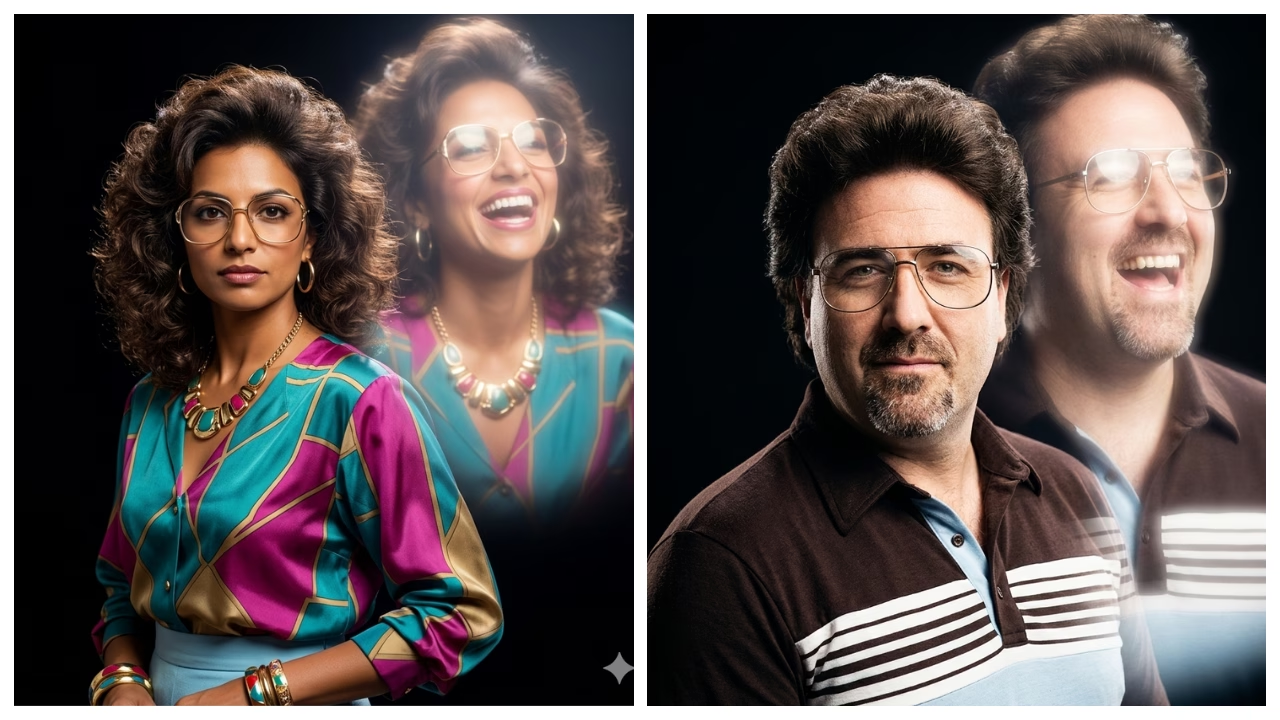
If you want a more immersive format than a compact kiosk, an AI Photo Lounge can be a useful concept for creating a guided, premium photo environment with space for styling, brand storytelling, and guest flow.
Build Privacy, Accessibility, And Recovery Into The Plan
An AI booth may collect photographs, contact details, prompts, or usage analytics. That requires clear choices, not vague fine print. Guests should know what is being captured, why it is being collected, whether it will be used for marketing, how long it will be retained, and how to decline without embarrassment.
Use a visible consent design:
• State whether photos are processed only to generate the output or retained after the event.
• Separate optional marketing consent from the basic ability to receive an image.
• Explain whether email addresses or phone numbers are shared with a sponsor, the venue, or only the booth provider.
• Provide a non digital alternative where appropriate, such as a printed instruction card or staff assisted delivery.
• Set an age appropriate process if minors may participate, especially at family programming.
Accessibility deserves the same attention. The capture area should allow a wheelchair user to approach and remain in frame without being asked to reposition awkwardly. Interface text needs readable contrast and large tap targets. Audio instructions should not be the only way to understand the activity. If a multilingual audience is expected, concise translated instructions can do more for participation than adding a complex conversational AI feature.
Fair warning: network dependence can change the experience quickly. If the internet slows, cloud based generation may delay delivery. The recovery plan should say what happens next. Can the booth store photos locally and send results later? Does it switch to a non AI photo mode? Can the attendant provide a QR claim code? These details should be agreed upon before doors open, not improvised while guests wait.
Public search results can also create confusion because AI museum coverage often points to projects at other institutions rather than Muzeo. The available Anaheim venue search context illustrates why it is worth verifying the exact venue, vendor, and activation rather than relying on similarly named museum AI stories.
Key Takeaways
Make The Decision Based On The Experience You Need
Choose an AI booth when you want a high touch digital keepsake, custom visual storytelling, and shareable branded content. It is especially suited to corporate galas, sponsor activations, donor events, product launches, and themed celebrations where guests benefit from a memorable interaction beyond a standard snapshot.
Choose a conventional photo booth when you need fast throughput, low technical complexity, familiar print output, or minimal image data processing. Choose a docent led or staff led activity when accurate cultural interpretation matters more than digital novelty.
Ask For A Proposal, Not A Generic Price
There is no verified public rental price for a Muzeo Museum and Cultural Center AI booth. Your quote will likely depend on event duration, guest count, staffing, creative customization, output type, travel, installation complexity, and whether the system needs branded or exhibit specific content.
For an Anaheim event, request an itemized proposal that separates the following:
• Booth hardware and capture setup
• AI generation or platform usage
• Custom graphics and creative style development
• On site attendant staffing
• Digital delivery, prints, or gallery hosting
• Venue coordination, load in, and network contingency
• Data retention and post event asset delivery
For ideas on balancing branded storytelling with guest participation, Transform Your Event with AI outlines how AI driven event experiences can be shaped around an event objective rather than added as a novelty.
Frequently Asked Questions
Does Muzeo Museum And Cultural Center Actually Have An AI Booth?
A permanent Muzeo branded AI booth is not verified by the public Muzeo materials referenced here. Muzeo may be able to host a vendor provided activation for a private event or special program, but you should confirm availability directly with its events team.
Is The AI Booth Part Of Official Museum Programming Or A Third Party Rental?
That depends on the specific event. Public information more clearly supports Muzeo’s role as a museum and event venue than it supports a named AI booth program. Treat a photo activation as a third party event feature unless Muzeo confirms that it is part of official programming.
Can Visitors Use An AI Booth During Public Museum Hours?
Do not assume so. Public hour access, admission inclusion, and walk up availability have not been publicly established for an AI booth at Muzeo. A booth could be private event only, tied to a temporary program, or unavailable on a given day.
How Much Does An AI Photo Booth Cost To Rent In Anaheim?
There is no single dependable price because AI photo booth rentals vary widely by duration, staffing, customization, output format, and production needs. Ask for a written, itemized quote. Comparing only a headline rental rate can hide costs for custom AI styles, attendants, delivery tools, branding, or venue specific setup.
Does An AI Booth Need An App?
Usually, no. Many modern activations use a touchscreen and send results through QR code, email, or text. Still, the delivery path should include an alternative for guests without a compatible phone, limited data service, or a preference not to provide contact details.
What Privacy Questions Should You Ask Before Booking?
Ask whether images are stored, where they are processed, how long they are kept, who can access them, and whether contact information is used for marketing. Confirm that marketing consent is optional and that signage explains the process before capture.
Is An AI Booth Accessible For Wheelchair Users And Multilingual Guests?
It can be, but accessibility is a design requirement rather than an automatic feature. Confirm physical approach space, camera adjustability, visual instructions, readable text, and language support before booking. An attendant should be prepared to assist without changing the guest’s control over the experience.
What Happens If The AI Booth Loses Internet Access?
Ask the provider for a written fallback plan. Strong options include local photo capture, delayed digital delivery, a conventional photo mode, or claim codes for later retrieval. If the activation is essential to the event, test the network and backup process during setup.
Conclusion
A Muzeo Museum and Cultural Center AI booth can be a compelling idea, especially when you want guests to create a personal connection with a cultural setting, event theme, or brand story. But the term should not be treated as proof of a permanent museum installation. The practical path is to confirm the venue’s approval, choose the right type of AI interaction, and require a clear operational plan from the provider.
When you approach the project with defined goals, transparent data practices, accessible design, and a credible backup plan, the AI booth becomes more than a screen in a corner. It can become a thoughtful digital engagement moment that fits the event, respects the venue, and gives guests something worth sharing.
Lucky Frog Photo Booths
Vintage Charm Meets Modern Innovation
Next-Generation Event Experience in Southern California
Welcome to the ultimate fusion of classic nostalgia and cutting-edge digital magic. As a leading AI photo booth company Anaheim trusts, we transform ordinary snapshots into extraordinary digital art tailored precisely to your event’s theme.
AI Photo Lounge SoCal
Step into our specialized photo experience. Our top-tier AI photo booth for events Anaheim host gives guests instant digital transformations, custom backgrounds, and styled portraits in real-time.
Anaheim & Regional Hub
Planning a celebration in North Orange County? We offer premium AI photo booth hire Anaheim services, alongside dedicated local setups for neighboring communities.
Orange County Coverage
We bring our vintage aesthetic and state-of-the-art setups directly to your venue across Southern California:
- Fullerton AI photo booth rental
- Buena Park AI photo booth
- Orange AI photo booth rental
- Garden Grove AI photo booth
- Yorba Linda AI photo booth
- Placentia AI photo booth rental
Reserve Your Vintage AI Experience Today
Elevate your wedding, corporate gala, or private party with unforgettable interactive favors.
Book The AI Photo LoungeWhen planning your next gathering, remember that a Muzeo Museum AI booth is not a standard, pre-installed amenity, so securing a Muzeo Museum AI booth requires proactive coordination with venue management. Whether you envision a Muzeo Museum AI booth for a gala or a Muzeo Museum AI booth for a corporate mixer, vetting your Muzeo Museum AI booth provider is essential. A Muzeo Museum AI booth must align with institutional standards, meaning your Muzeo Museum AI booth choice should prioritize guest privacy. If you integrate a Muzeo Museum AI booth, ensure the Muzeo Museum AI booth workflow is intuitive. A well-placed Muzeo Museum AI booth can elevate engagement, provided the Muzeo Museum AI booth technical requirements are met. Always confirm if your Muzeo Museum AI booth needs dedicated Wi-Fi, as a Muzeo Museum AI booth relies on connectivity. Furthermore, a Muzeo Museum AI booth should be positioned to avoid congestion, ensuring the Muzeo Museum AI booth experience remains seamless. Before finalizing a Muzeo Museum AI booth contract, verify that the Muzeo Museum AI booth vendor has liability insurance. A Muzeo Museum AI booth can be a highlight, but only if the Muzeo Museum AI booth aligns with the event’s tone. Ultimately, a Muzeo Museum AI booth is a tool; how you deploy your Muzeo Museum AI booth defines its success. By treating the Muzeo Museum AI booth as a custom activation, you ensure the Muzeo Museum AI booth adds value. Carefully manage your Muzeo Museum AI booth expectations to ensure every Muzeo Museum AI booth interaction delights your guests.