LA Coliseum & Bank of California Stadium Luxury AI Photo Activation
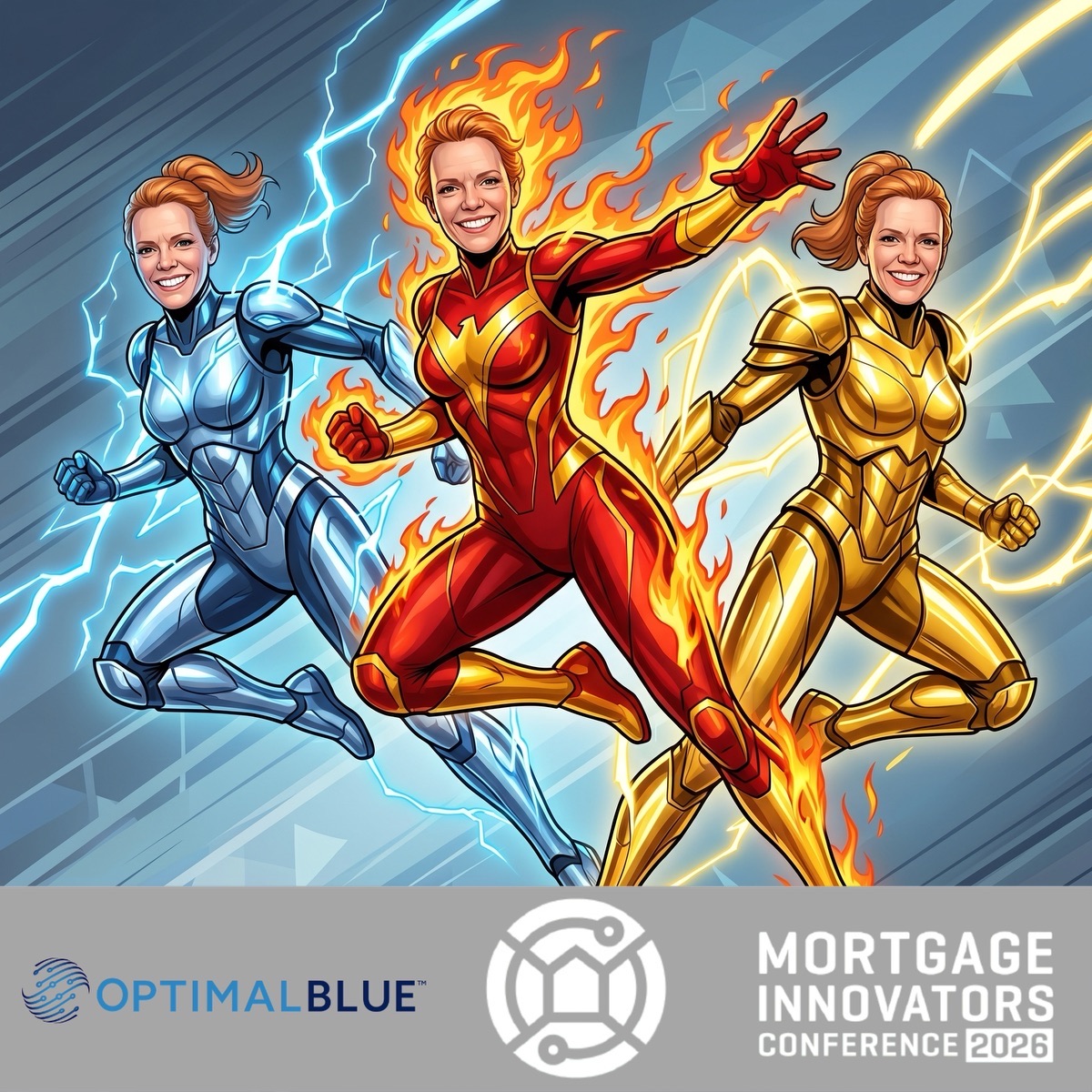
The stadium district around the LA Coliseum and Bank of California Stadium turns even simple event planning into a logistics exercise. Guests arrive in waves, traffic stacks up on surface streets, and the gap between an activation people remember and one they walk past comes down to staging. A luxury AI photo activation earns its footprint when it reads as part of the event design rather than a rented machine parked near a bar.
Lucky Frog Photo Marketing builds these activations for corporate brand teams, event planners, and social hosts across Los Angeles and Orange County. What follows covers how the build is assembled, how it fits stadium-adjacent venues and downtown hotels, and which details need to be locked before the event date.
What a Luxury AI Photo Activation Includes
Luxury in this context is defined by control, not by how much technology sits in the room. A premium activation is engineered so that every guest receives a consistent result, regardless of when they step up or how crowded the space has become. That means lighting, prompting, output, and staffing are all planned as one system.
-
A dedicated capture station with controlled lighting rather than ambient spill from the room
-
Generative processing that produces stylized portraits, avatars, or themed scenes built around prompts the host approves in advance
-
Custom framing plus either printed output or instant digital delivery to guest devices
-
Trained attendants who manage prompting, posing, and the queue without slowing the line
-
Branded overlays, event marks, or sponsor creative locked down before load-in
The visible difference between a standard booth and a luxury AI activation usually shows up in three places: the backdrop and lighting design, the amount of staff attention each guest receives, and the consistency of the finished image. Guests rarely notice the software. They notice whether the result looks like it belongs to the event.
How the AI Photo Experience Works On Site
Capture and Prompting
The process starts with a clean, well-lit capture. Attendants guide guests into position, select or confirm the prompt style, and take the shot. Prompts can be tied to an event theme, a brand campaign, or a set of visual directions the host signs off on during planning. Keeping the prompt menu short, usually three to five options, keeps the line moving and prevents decision fatigue.
Generation and Delivery
Images are processed and rendered, then delivered in the format the host chooses. Printed output works well for branded keepsakes and for guests who want something physical in hand. Digital delivery suits corporate activations where the priority is reach, sharing, and post-event follow-up. Both paths can run at the same station if throughput is planned properly.
Staffing and Presentation
Presentation is where luxury activations separate from novelty setups. That includes a designed enclosure or open-air footprint that matches the room, signage that looks intentional rather than improvised, and attendants who can read a crowd and adjust pacing. For stadium-day programming and hotel after-parties, that staffing level is what keeps a queue from turning into a bottleneck.
Matching Activation Design to Venue Type
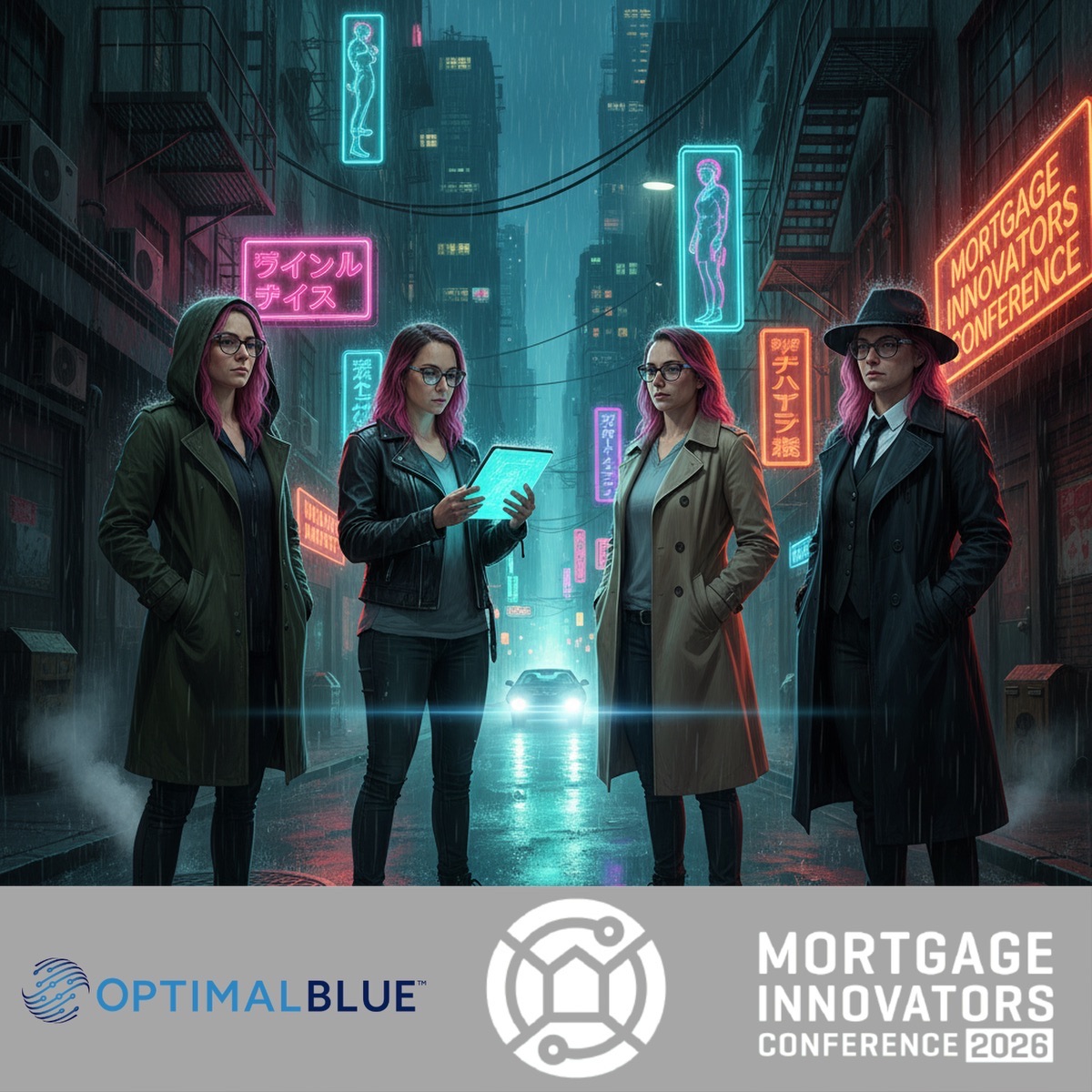
Downtown Los Angeles venues vary widely in ceiling height, power access, and floor plan, and the activation has to be designed around those realities rather than dropped in.
Venue type | Typical layout reality | Activation approach |
|---|---|---|
Hotel ballroom or pre-function space | Carpeted floors, shared power, adjacent bar or registration | Place near arrival traffic but off the main aisle; confirm power draw and carpet protection |
Landmark or heritage-style venue | Architectural detail, restrictions on rigging and attachment | Free-standing footprint, no fixed attachments, lighting that complements rather than competes |
Loft or creative event space | Open floor plate, variable power, industrial finishes | Build a defined zone with backdrop and lighting so the activation reads as a destination |
Outdoor terrace or plaza | Daylight, wind, temperature swings | Shade or enclosure, glare control, and a backup plan for weather |
Brand activation footprint | Sponsor zones, competing attractions | Position as the primary photo moment; align creative with the sponsor’s campaign |
Venue Options In and Around Downtown Los Angeles
The downtown core offers a deep pool of venues that can serve as either the main event space or the after-party location for stadium-day programming. Each one changes what the activation needs to look like, and each one has its own load-in rules worth confirming directly with the venue.
Hotel and Ballroom Venues
Hotel properties give planners predictable infrastructure: loading access, power, climate control, and staff who handle guest movement as a matter of routine. Options in this category include the JW Marriott at L.A. Live, the InterContinental Los Angeles Downtown, the Sheraton Grand Los Angeles, The Westin Bonaventure, the Omni Los Angeles Hotel, the AC Hotel Downtown Los Angeles, the Moxy Downtown Los Angeles, Hotel Per La, and Hotel Figueroa. These properties typically pair well with a classy, high-throughput activation because they already handle large guest volumes.
Landmark-Style Venues
Venues with architectural character ask for restraint. The Biltmore Los Angeles, Vibiana, The Majestic Downtown, and the Carondelet House fall into this register, where a free-standing activation with considered lighting tends to work better than anything that competes with the room. Confirm attachment, rigging, and load-in restrictions with each venue before finalizing the design.
Loft and Creative Event Spaces
Open floor plates reward a clearly defined activation zone. City Market Social House, The Reserve, the Hudson Loft, the Downtown LA Proper Hotel, and The Hoxton DTLA are the kind of spaces where a built backdrop and dedicated lighting turn a station into a destination rather than an afterthought. Power availability and floor protection are the two details to verify early.
Guest Flow and Throughput
Stadium-adjacent events compress everything. Guests arrive within a narrow window, and programming often runs against a game clock or a set schedule. Plan the activation around the peak rather than the average. A station sized for the calm first hour will fail at the rush, and a queue that forms once tends to stay formed.
Practical steps that hold up in real events:
-
Position the station where guests already pass, not in a side room they have to be told about
-
Keep the prompt menu short so each session stays under a minute or two
-
Split capture and pickup if printed output is part of the plan, so the station never blocks on printing
-
Staff one attendant for the line and one for the station during peak windows
-
Brief venue staff so they can direct guests without guessing
Power, Connectivity, and Load-In
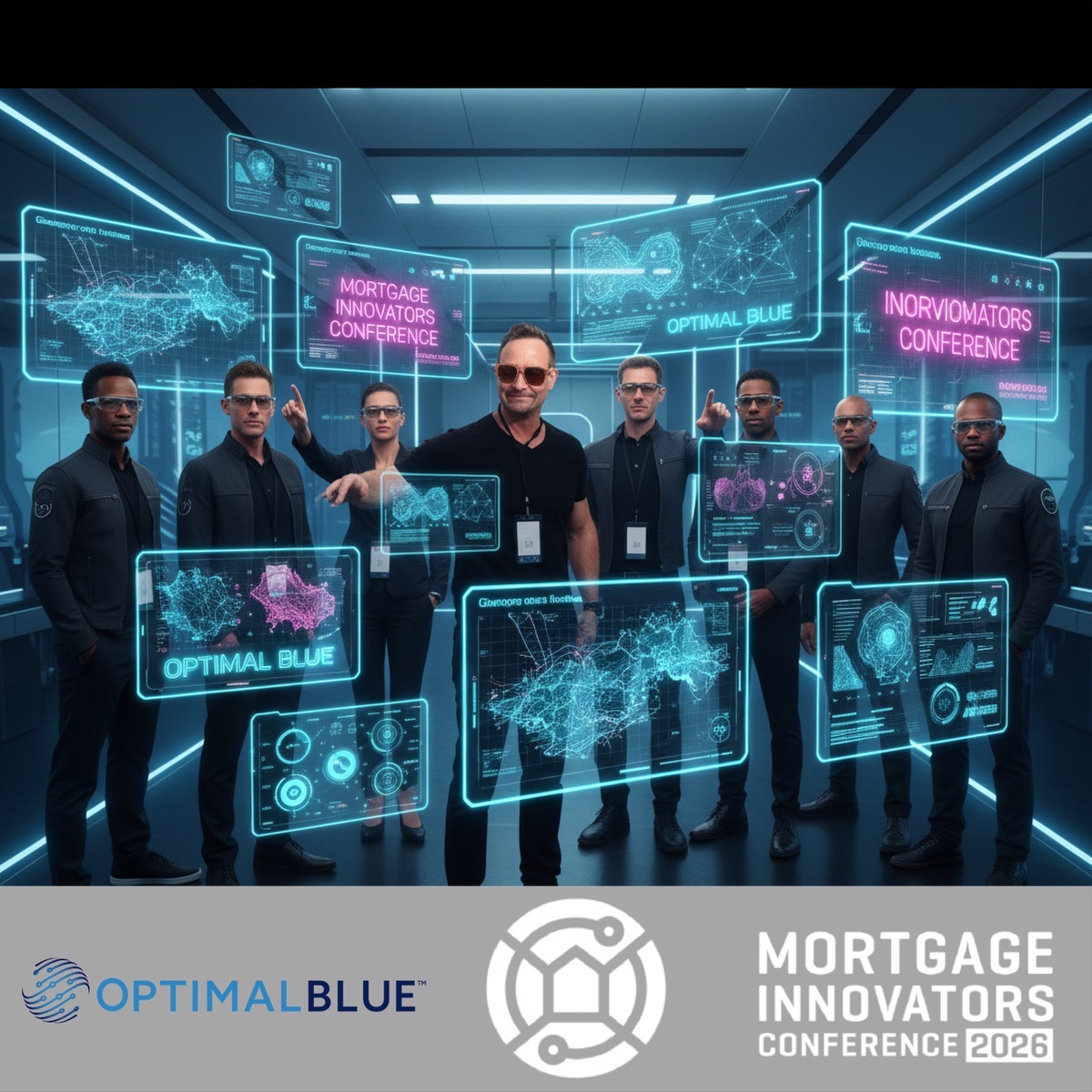
Every AI-driven station depends on stable power and reliable connectivity. Ask the venue for circuit availability and the location of the nearest panel, and treat shared circuits as a risk rather than a convenience. If the building’s network is unreliable, plan for a dedicated connection or a local fallback so the activation does not stall mid-event.
Load-in windows matter just as much. Downtown venues often share access with other events, and stadium-day traffic can shrink the usable window further. Confirm dock access, elevator dimensions, and the exact load-in time in writing, then build a buffer into the schedule. For outdoor footprints, also confirm whether the venue requires a generator and where it can be placed.
Brand Integration That Holds Up
Generative AI activations are unusually good at carrying a campaign, because the creative can be customized per event rather than pulled off a shelf. That flexibility is also the risk. Approving prompts, overlays, and printed templates late leaves no time for a test run, and untested creative shows up in front of guests.
Lock the visual direction, run a test session, and confirm who signs off on final assets. If a sponsor is involved, clarify early whether their marks appear on the digital output, the printed output, or both. Small print decisions made in the final week tend to be the ones nobody is happy with.
Timeline for Booking
Start the conversation at least four to six weeks before the event date so there is room for a site walk, a creative approval round, and a test session. Larger activations tied to stadium programming benefit from more lead time, since venue availability and load-in windows are more constrained around event days. Earlier is almost always easier, particularly for downtown venues juggling multiple bookings on the same weekend.
Frequently Asked Questions
How many guests can a luxury AI photo activation handle?
Throughput depends on the prompt menu, whether printing runs alongside digital delivery, and how many attendants are staffed. A single station with a short prompt list and two attendants handles a steady flow well, while larger activations use multiple stations. Share your guest count and peak arrival window during planning so the footprint and staffing are sized correctly.
Does the activation need reliable internet?
Yes. Generative processing and digital delivery both depend on a stable connection, so connectivity should be treated as a planning item rather than a venue assumption. Confirm the building’s network reliability and shared circuit layout early. A dedicated connection or local fallback keeps the activation running if the venue network struggles during a busy event.
Can the AI creative match our brand or event theme?
Yes. Prompts, overlays, printed templates, and framing can all be customized to a campaign, an event theme, or a sponsor’s visual direction. The main requirement is timing: creative needs to be approved and tested before the event date, not during load-in. Build an approval round into the planning schedule.
What should we confirm with the venue before booking?
Confirm the load-in window, dock and elevator access, available power, floor or carpet protection requirements, and any restrictions on rigging or attachments. Load-in windows in particular tighten around stadium event days, so get the details in writing. It is also worth asking how the venue directs guest flow, since that shapes where the station should sit.
Can the activation run outdoors near the stadium district?
It can, with the right preparation. Outdoor footprints need shade or enclosure, glare control, and a weather contingency, and some venues require a generator for power. Confirm outdoor power options and placement rules with the venue first. An outdoor station positioned at an arrival point often captures guests before they spread out across the event.
Selecting the right AI Photo Activation LA partner ensures your event footprint remains polished and professional. When you prioritize an AI Photo Activation LA, you guarantee seamless integration into your venue’s unique architecture. Every successful AI Photo Activation LA relies on precise lighting and expert staffing to maintain high-quality output. By choosing a premium AI Photo Activation LA, you avoid common logistical bottlenecks. A well-executed AI Photo Activation LA enhances brand visibility, while a poorly planned AI Photo Activation LA risks fading into the background. Whether hosting at a stadium or a hotel, an AI Photo Activation LA creates lasting guest engagement. Invest in a high-end AI Photo Activation LA to elevate your next corporate gathering. Our team specializes in delivering a bespoke AI Photo Activation LA experience. Contact us today to secure your AI Photo Activation LA date. Your next AI Photo Activation LA deserves nothing less than perfection.
For planners coordinating large-scale events, Visit California provides comprehensive resources on Los Angeles tourism and venue logistics to help streamline your site selection process.