How Fast Can an AI Photo Booth Deliver Trade Show Photos?
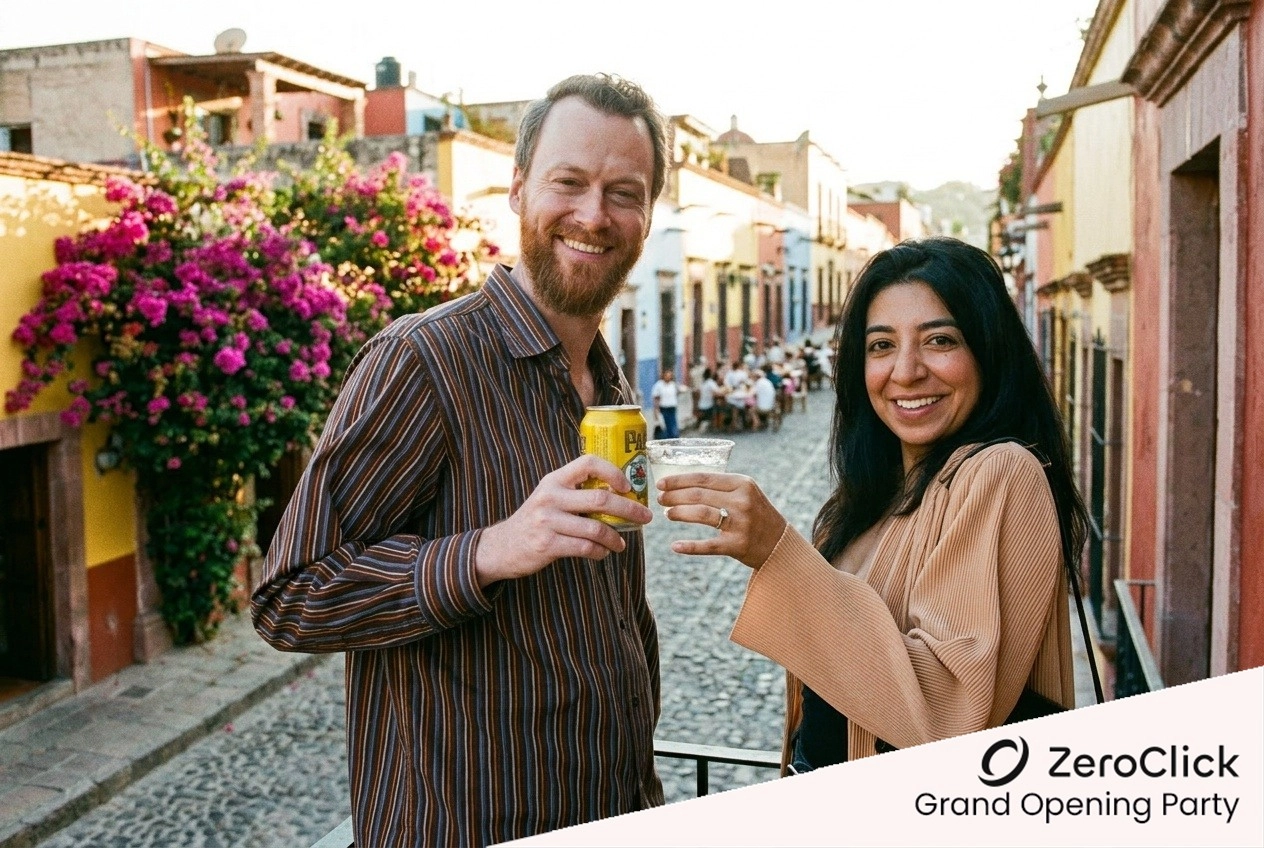
On a busy trade show floor, every second an attendee spends waiting is a chance for that visitor to walk away. Exhibitors invest in AI photo booths because these activations stop foot traffic, start conversations, and leave guests with something worth sharing. The question that matters most before signing a rental agreement is simple: how fast can an AI photo booth process and deliver digital assets to trade show attendees?
The answer is remarkably fast. Modern AI photo booth setups process images in under 30 seconds, and most generative AI systems deliver a finished result in under 60 seconds per guest. Those speeds are quick enough to keep lines moving at high-volume events without creating the long waits that make attendees abandon the experience.
What the Processing Timeline Looks Like
AI photo processing includes several steps. The guest poses, the camera captures the image, the AI model generates or transforms the photo, software prepares the file, and the booth delivers the result by screen, link, or print. Trade show attendees do not see most of that work. One moment they step in front of the camera, and within a minute they are viewing their finished photo or waiting for a physical copy.
The term generative AI matters here. Traditional photo booths simply print a photo immediately, but AI photo booths apply style models and custom prompts to create a new image. That work takes real computing power, yet modern providers have tuned their systems to run at event-friendly speeds. Generative AI processing is commonly quoted at under 60 seconds per guest, with output delivered digitally. For most corporate events and brand activations, that standard is now the baseline.
Event planners should also think about the natural rhythm an AI station creates. A one to two minute window while an image generates and prints gives staff time to talk with guests, explain the product, and capture leads. Rather than feeling like a delay, that window becomes the moment where the marketing value of the activation happens.
Why Speed Keeps Attendees Engaged
A crowded expo aisle leaves you seconds to turn passersby into participants. Slow photo experiences create bottlenecks, and guests who see a long line often keep walking. Fast processing solves that problem. When images appear in under 30 seconds, more people can participate, conversation stays lively at the booth, and the activation feels effortless to join.
The engagement numbers support this approach. Across trade shows, AI-enhanced photo experiences drive up to a 40 percent lift in attendee engagement and brand visibility. That lift is tied directly to the shareable content attendees create and post. Experiential marketing also outperforms traditional digital ads in the minds of many marketers, with 83 percent saying experiential activations drive more brand awareness. A fast, fun photo moment gives attendees a reason to stop, participate, and remember the brand long after the show ends.
Digital Delivery Through QR, Email, and Social Sharing
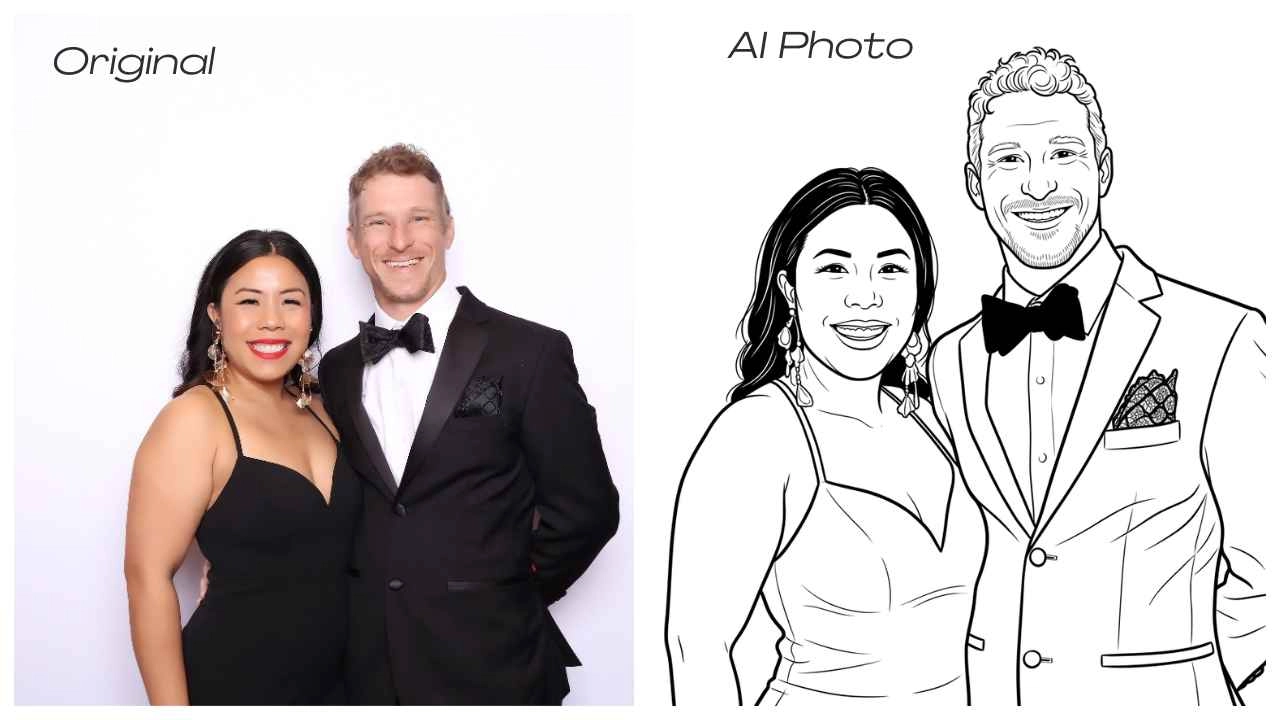
Processing speed matters only if delivery is just as fast. Most AI photo booths send the finished asset digitally, which means guests can receive their images instantly and share them frictionlessly to their social platforms. The typical flow uses a QR code displayed on the screen or printed at the station. Attendees scan the code, the file opens on their phone, and they can post it, save it, or send it to a friend before they even leave the booth aisle.
Professional providers also build branded sharing into the experience. Custom software can deliver the photo by email or via a social-ready link, and the file can include event branding so every share works as ongoing promotion. Instant QR and email social sharing is a standard part of high-end AI photo booth rentals, and it gives exhibitors a way to track engagement while attendees do the distribution work.
Can Attendees Get Prints and Digital Files at the Same Time?
Yes. Guests do not have to pick between a physical keepsake and a shareable file. AI photo booth systems can generate digital images for instant social sharing and, when required, print on site. Many providers, including Southern California photo booth company Lucky Frog Photos, use professional DSLR cameras, studio-grade lighting, touchscreen interfaces, and custom software to output branded print formats alongside digital delivery.
On-site printing options typically include classic 2×6 photo strips or larger 4×6 prints. Attendees walk away with something tangible to pin to their badge, desk, or fridge, while the same image is delivered digitally for Instagram, LinkedIn, or text sharing. Offering both formats extends the value of the experience and gives exhibitors a natural conversation point after the photo finishes generating.
Matching Custom AI Prompts to Your Booth Branding
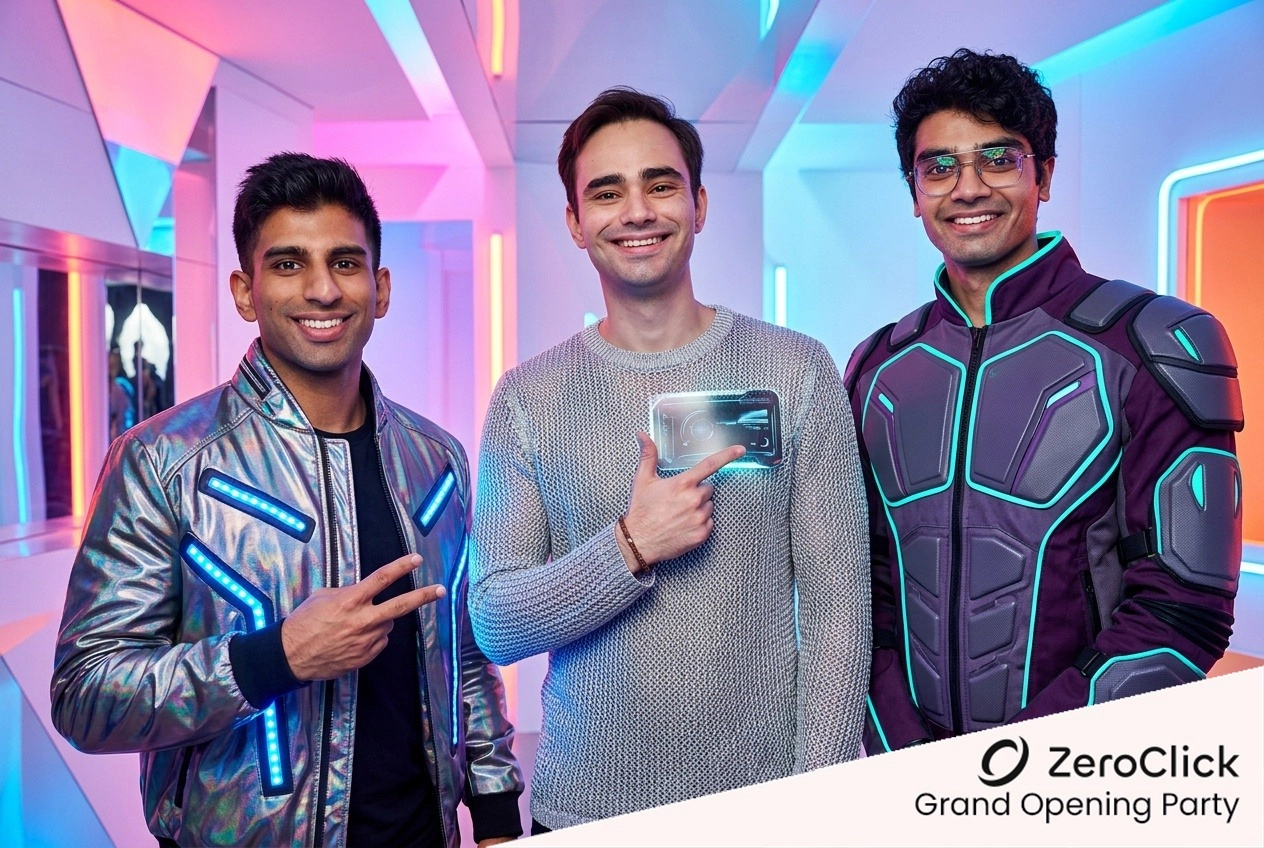
Speed is only one part of a successful activation. The visual style of the generated image should match the look of the trade show booth, and modern AI photo booth providers make that possible with custom prompts and generative backgrounds. Instead of a generic backdrop, exhibitors can work with their provider to train the AI around brand colors, logos, product themes, and event-specific messaging.
Custom AI background generators let brands place attendees in scenes that reinforce the company story. A software company might use a futuristic interface theme, while a beverage brand could place guests inside a colorful product-inspired setting. Because the image is generated in seconds rather than edited by hand, the branded result still arrives quickly. The best approach is to share your booth concept and campaign visuals with the photo booth team before the event so the AI outputs feel intentional rather than generic.
Space, Power, and Setup Requirements on the Show Floor
Exhibitors often worry that a high-tech activation will demand an oversized footprint. The AI photo booth is optimized for trade show environments and can fit comfortably within 10×10 booths while still delivering a high-impact experience. That compact size leaves room for a counter, a host, and visitor flow, making it realistic for standard inline booths rather than only large island exhibits.
Power and connectivity requirements vary from one system to the next. Real-time AI image rendering depends on the hardware inside the booth, and some providers operate with local processing while others rely on a network connection. Do not assume that a standard power outlet and the venue Wi-Fi will be sufficient. Ask your provider for exact power needs, recommended internet speed, and whether any local network setup is required before load-in. Getting those details in writing prevents surprises on the morning of the show.
Setup During Compressed Trade Show Load-In Windows
Trade show load-in windows are rarely generous, especially in large convention centers. Exhibitors frequently have only a few hours between floor access and the opening bell, so the photo booth crew needs to work efficiently. Setup times vary by provider and booth configuration, which is why the rental agreement should state the expected installation time and the number of crew members who will handle the build.
Large venues may also enforce union labor rules, certificate of insurance requirements, and specific delivery schedules. A professional photo booth company will know how to coordinate with show organizers and venue staff, but exhibitors should confirm those policies in advance rather than assume they will be handled automatically. Ask for a written list of load-in rules from both the venue and the provider so the activation reaches the show floor on time, powered up, and ready for guests.
Frequently Asked Questions
How fast will attendees receive their AI photos?
Most AI photo booths process a guest image in under 60 seconds, and many modern setups deliver results in under 30 seconds. Attendees see the finished image on screen or receive it by QR, email, or social link moments after the shoot ends. That pace is fast enough to keep lines moving during peak expo hours.
Can trade show attendees get both prints and digital files?
Yes, guests can receive digital images instantly and share them to social platforms, and providers can include on-site printing when needed. Professional systems can output branded 2×6 strips or 4×6 prints while the same photo is delivered digitally. That combination gives trade show attendees a physical keepsake plus a file they can post immediately.
How much floor space does an AI photo booth need?
An AI photo booth is designed for trade show environments and can fit comfortably inside a standard 10×10 booth while still creating a high-impact experience. The compact footprint leaves room for staff, a counter, and attendee flow. For exact dimensions and clearance needs, request the specification sheet from your provider before you submit your booth layout.
Do AI photo booths really boost attendee engagement?
Yes. Trade show data shows AI-enhanced photo experiences can drive up to a 40 percent lift in attendee engagement and brand visibility. Experiential marketing also performs well against digital ads, with 83 percent of marketers saying experiential activations build more brand awareness. A fast and shareable photo moment gives attendees a reason to stop and interact.
What technical requirements should I confirm before the event?
Power, internet, and setup needs vary by system, so confirm exact specifications with your provider before load-in. Large venues may also enforce union labor rules, certificate of insurance requirements, and designated load-in windows. Ask the photo booth company and the convention center for a written list of requirements so your activation stays on schedule and fully operational.