Generative Art Lab for Luxury Weddings: Live AI Portraits and Custom Art
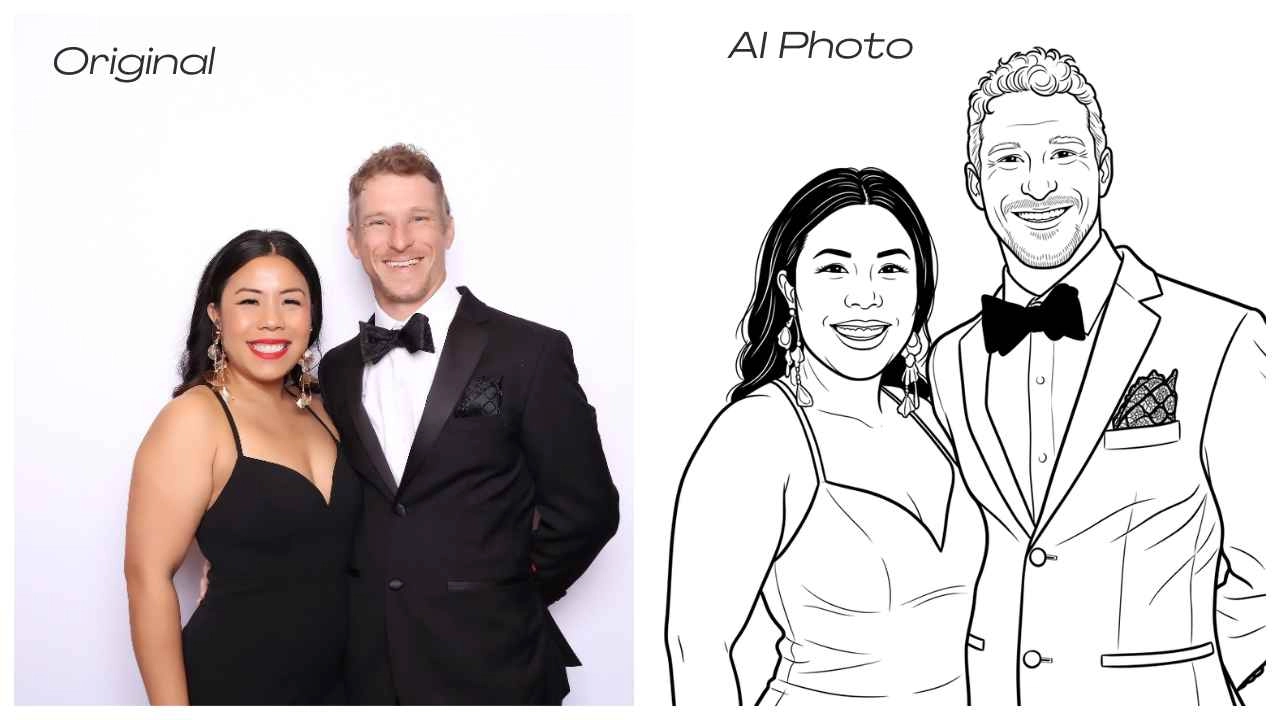
A guest steps behind the camera, holds a pose for a few seconds, and walks away with something that looks like it belongs on a magazine cover or in a gallery frame. The photograph part is nothing new. What has changed is how the final image gets made. A generative art lab uses trained models, real studio lighting, and custom software to turn an ordinary event photo into an original piece of digital art, and it does it while the reception is still moving around it.
The difference between a novelty filter and an actual lab comes down to control. Lighting that matches the room, a model trained on the couple’s palette and florals, and output sized for a frame, a phone screen, or a printed card. Get those three right and the activation stops feeling like a party trick and starts feeling like part of the design.
Why a generative art lab fits a luxury wedding
Generative art spent decades earning its place as a serious medium. It takes full advantage of everything computing offers, producing elegant and compelling artworks that extend the same traditions painters and printmakers worked in, and the art establishment has treated its history as worth documenting, with Sotheby’s presenting Generative Art Exploration Chapter I Tracing the Roots: The History of Generative Art. That lineage matters at a wedding. Guests are not being handed a gimmick from a kiosk. They are participating in a form with a real history behind it.
Wedding design has been moving in the same direction for years. Planners now use AI to draft original concepts and visualize bold ideas before committing budget to them, a workflow Andrea Eppolito described in June 2024 while discussing how AI aids in crafting lavish celebrations. A lab on the reception floor takes that same tool from the planning stage and puts it in front of guests as entertainment.
There is also a fair critique worth addressing head-on. Some voices in the luxury space argue that AI-generated art is not luxury at all, and the reasonable version of that argument is about craft. The answer is not to hide the technology. It is to build the physical structure by hand, use genuine studio lighting rather than a laptop screen, and train the model for the specific event instead of shipping a default template to every booking.
What happens inside the lab, step by step
Most setups follow the same sequence, whether the station is a compact kiosk or a full studio pod. The visible experience is short and the invisible work runs in the background.
-
A guest steps into the studio pod or up to the touchscreen station and is positioned by an operator or by on-screen guides.
-
Studio-grade lighting and a professional DSLR camera capture the base frame.
-
The guest, or the attendant, selects a style: editorial cover treatment, watercolor line art, painterly portrait, or a fully custom environment.
-
The generative model renders the artwork. At co-creative stations the guest can also adjust mood sliders and atmospheric elements before the camera fires.
-
The finished piece arrives as a physical print, a digital file, or both, shared instantly by QR code or email.
That last step is where most of the sharing happens. A piece of art that reaches a phone within seconds tends to travel further than one that gets emailed the following week.
Four ways to run a generative art lab
The format should follow the guest list. A fashion-forward crowd and a corporate retreat want very different things from the same technology, and the hardware, pacing, and output change accordingly.
The editorial cover shoot
This format treats every guest like a cover subject. The AI applies high-fashion lighting, soft-focus retouching, and stylized artistic renderings that can lean toward watercolor line art or a magazine editorial cover design. It suits fashion week activations, luxury brand launches, and film premieres, where the goal is aesthetic brand alignment and social reach rather than pure volume. The station usually lives inside an enclosed studio pod with rim lighting to control the look completely.
World-building with custom-trained models
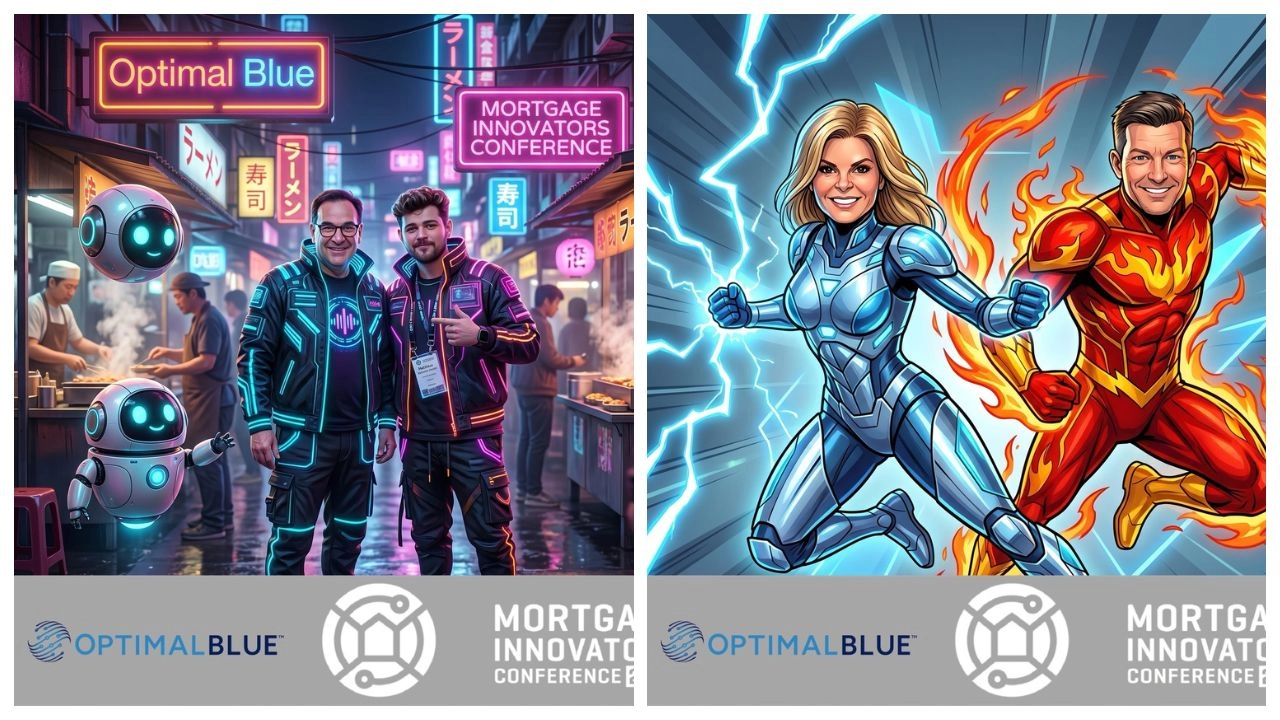
Here the couple or the brand becomes a universe. Custom-trained generative models, often built as LoRAs, composite attendees directly into campaign-specific environments such as a cyberpunk city, a fantasy landscape, or a science fiction setting, while matching the guest’s actual pose and lighting so the result reads as intentional rather than pasted. It works well for entertainment premieres, video game rollouts, and experiential product launches, where guest dwell time and organic user-generated content are the metrics that matter.
The utility format for corporate weekends
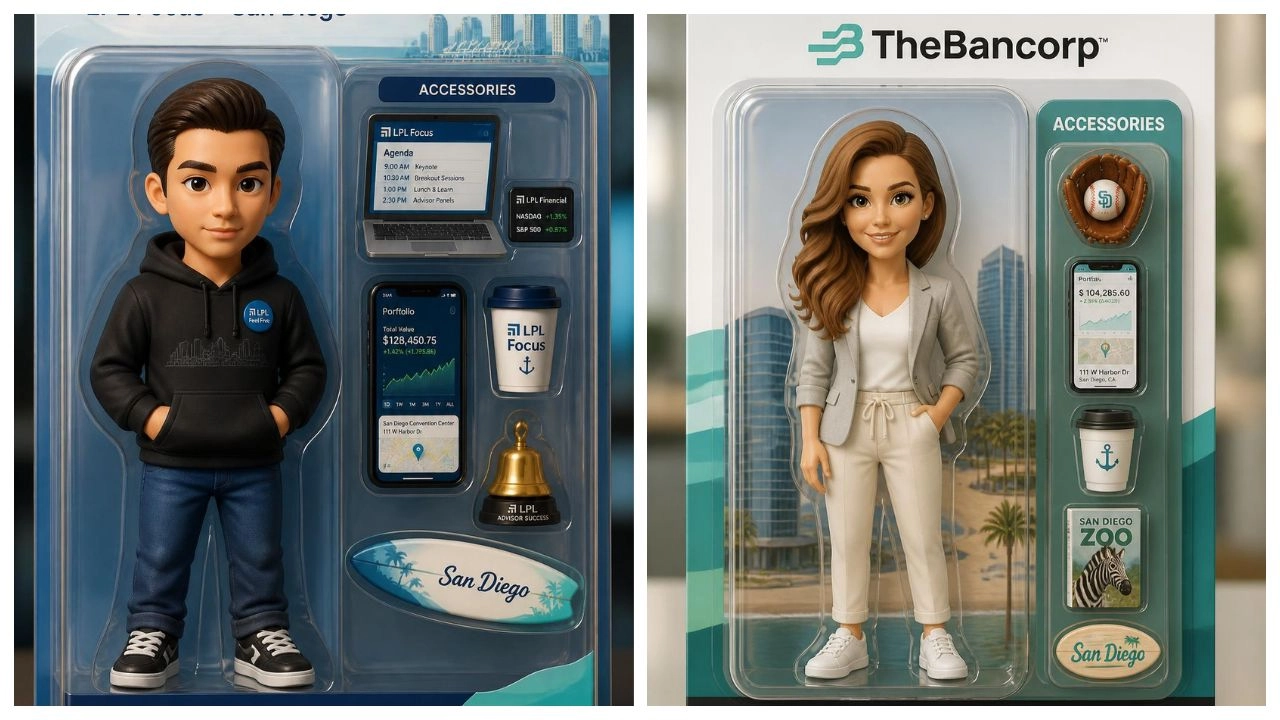
Not every activation needs spectacle. This version strips away the theater in favor of something guests genuinely use: a premium, AI-enhanced corporate headshot. The booth converts a casual event photo into a studio-quality executive portrait, updating attire, background depth, and lighting so the image can go straight onto a professional profile. Corporate retreats, trade shows, and executive summits benefit most, and the format delivers high throughput alongside first-party lead capture.
The co-creative studio
This is the most interactive option. A touchscreen prompt bar lets attendees tweak style prompts, mood sliders, and atmospheric elements before the camera fires, producing a bespoke piece of digital art in under fifteen seconds. It is a natural fit for interactive trade show booths, digital innovation labs, and technology summits, where the point is attendee engagement and time spent at the station rather than a single polished photograph.
Choosing a format: a side-by-side comparison
Throughput is usually the deciding factor once the venue and guest count are fixed. The table below summarizes how the four formats differ in layout, pace, and deliverable.
Format | Hardware and layout | Speed | Output |
|---|---|---|---|
Editorial | Enclosed studio pod with rim lighting | Medium, roughly 1 to 2 minutes per guest | 4K digital prints and dynamic video covers |
World-building | Open-air stage with dynamic backdrops | Medium, roughly 1 to 2 minutes per guest | Vertical social video and stylized digital art |
B2B utility | Compact kiosk or roaming camera rig | Fast, roughly 30 to 45 seconds per guest | High-resolution PNG with immediate professional sharing |
Co-creative | Touchscreen prompt bar plus lighting rig | Slow to medium, roughly 2 to 3 minutes per guest | Multi-page digital asset and physical souvenir print |
Lighting, hardware, and the parts guests can touch
The physical build carries as much weight as the software. A production that turned a vast venue into a living artwork for 1,200 guests showed how far this can scale when nature, design, curves, textures, and sound are treated as one composition rather than separate vendors. At wedding scale, the same principle applies to a single station: the frame around the screen, the quality of the light, and the printed card all signal whether this is luxury or a laptop on a folding table.
Live portrait work during a ceremony, cocktail hour, or reception depends on catching real details, including the dress, the flowers, the venue, and the color palette, and feeding those into the render rather than generating something generic. Systems built for weddings tend to rely on professional DSLR cameras, studio-grade lighting, touchscreen interfaces, and custom software, with instant on-site printing in formats such as 2×6 strips or 4×6 prints and instant sharing by QR code or email. Equipment crafted locally rather than sourced generically also makes it easier to match the booth’s finish to a wedding’s design language.
Practical planning checklist
Most problems at a generative art lab trace back to decisions made weeks before the event, not on the night itself.
-
Confirm power access and floor footprint, especially for an enclosed pod or an open-air stage with backdrops.
-
Walk the room at the same hour as the reception to see how ambient and dinner lighting will compete with the studio setup.
-
Estimate guest count against throughput so the queue never becomes the memory.
-
Decide the deliverable up front: printed keepsake, digital file, or both, and confirm the print sizes.
-
Train the model on the couple’s palette, stationery, and florals rather than using a stock style pack.
-
Assign staff for positioning and queue management, since a good operator speeds everything up.
-
For corporate bookings, confirm how lead capture and branding will be handled.
Where generative art is heading
The field keeps formalizing itself. Generative Art 2026, the 29th Generative Art Conference, Exhibition, and Live Performances, is scheduled for the 15th, 16th, and 17th of December 2026 at the University Public Library of Cagliari in Cagliari, Sardinia, Italy, and its stated theme is how to preserve human complexity through generative art and AI. That question sits at the center of any wedding activation. The technology should amplify the couple’s taste, the florist’s palette, and the venue’s character, not replace them with a house style.
Working with a lab in Southern California
Couples and planners in Los Angeles, Orange County, and San Diego have access to a mature vendor market for this kind of activation. Lucky Frog Photos builds AI and interactive experiences that include a live AI sketch robot, an AI portrait studio, AI face swap, an AI photo lounge, and custom AI background generators, alongside video formats such as a 360 video booth, a light tunnel booth, an LED viral video booth, GIF and boomerang booths, and character reveal video booths. Classic options round out the lineup, including open-air booths, glamour filter booths, roaming and retro mobile units, and selfie stations.
The company manufactures its equipment locally in Los Angeles, which matters when a booth needs to match a specific design scheme or fit an unusual floor plan. Booking early is sensible for peak wedding season, and it is worth asking directly how a proposed setup handles lighting, throughput, and print output for your specific guest count.
Frequently Asked Questions
How long does each guest spend at a generative art lab?
It depends on the format. A compact kiosk built for corporate headshots can move a guest through in roughly 30 to 45 seconds. Editorial and world-building setups typically take one to two minutes per guest because of the lighting and styling involved. Co-creative stations where guests adjust prompts and mood sliders run longest, around two to three minutes each.
Can the artwork match our wedding colors and flowers?
Yes, and it should. Live portrait systems are designed to capture the dress, flowers, venue, and color palette, then feed those details into the render. When a model is trained on your specific event rather than a stock style pack, the finished pieces read as part of the design instead of a generic filter applied over a photograph.
Do guests get a physical keepsake or just a digital file?
Many setups deliver both. On-site instant printing in formats such as 2×6 strips or 4×6 prints gives guests something to hold, while instant QR code or email sharing puts the same artwork on their phones within seconds. Some formats also produce vertical social video or multi-page digital assets for wider sharing.
Is a generative art lab only practical for large weddings?
No. Larger events benefit from faster throughput and multiple stations, but a single well-run booth works for an intimate guest list. Productions have scaled this concept to venues holding 1,200 guests, yet the same technology fits a compact kiosk in a smaller space. Match the format to the room rather than the other way around.
What should we ask a vendor before booking?
Ask how the model gets trained for your event, what lighting and camera equipment is used, how many guests can be served per hour, and what the final deliverable looks like. Confirm print sizes, digital sharing method, power needs, and floor footprint. If the answers stay vague, request references from events with a similar guest count and layout.
Ultimately, a generative art lab elevates guest engagement from a fleeting moment to a lasting keepsake. By integrating a generative art lab into your event design, you ensure that technology serves the aesthetic rather than distracting from it. Whether you prioritize high-fashion editorial styles or corporate utility, a generative art lab offers unmatched versatility. Choosing the right generative art lab requires a focus on custom-trained models and physical craftsmanship. When executed with precision, a generative art lab transforms passive attendees into active participants. Invest in a professional generative art lab to redefine luxury entertainment. Your next event deserves the sophisticated, creative edge that only a generative art lab provides.