AI Photo Booth vs Traditional Print Booth: Key Differences
Two booths can sit in the same ballroom, look equally polished, and still send guests home with completely different souvenirs. One hands over a photograph. The other hands over a piece of artwork. That single distinction shapes nearly everything else: how long guests wait, how the images travel after the event, and how well the setup carries a host’s or a sponsor’s branding. Choosing between an AI photo booth and a traditional print booth is less about which one is newer and more about what you want people to walk away holding.
Both formats have earned their place at events, and neither is a downgrade of the other. The difference comes down to intent. A traditional booth preserves a moment. An AI booth takes that same moment and reimagines it.
The Core Difference Comes Down to the Output
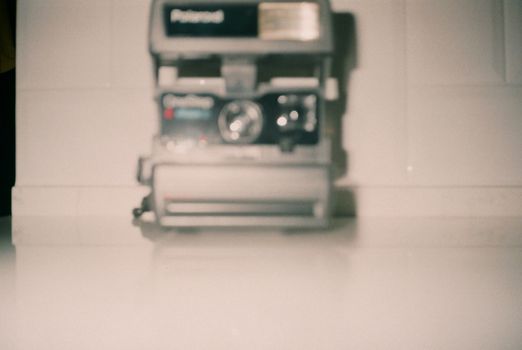
A traditional photo booth is built around a camera and a printer. Guests step inside, pose, and a short time later they receive a physical strip or a digital file. The finished product is a record of what actually happened in front of the lens. Nothing is added, and nothing is reimagined. What you see in the frame is what you get.
An AI photo booth begins with a photograph but does not end there. Advanced software analyzes the captured image and applies creative transformations based on predefined styles. The guest who stepped in front of the camera walks out the other side as a painted portrait, a comic book character, a retro film star, or a figure placed inside a scene that never existed in the room. The output is not a record. It is an interpretation, and that is the single most important thing to understand before booking either one.
How an AI Booth Builds That Image
Real time analysis of every frame
Modern AI booths do far more than lay a static filter over a picture. They use artificial intelligence to analyze lighting, poses, and expressions, which helps ensure each capture arrives closer to picture perfect before the creative layer is even applied. Face recognition allows the system to adjust framing and exposure automatically, while background removal, live filters, and automated editing run in the background while the guest is still standing at the screen. The editing that would normally happen later, by hand, on a laptop, happens in seconds at the booth.
Style generation and personalization
This is where the two formats separate most dramatically. Traditional filters rely on static presets, so every guest gets a variation of the same look. AI filters take the guest’s actual face, expression, and pose and build something from it. The result feels personal rather than applied, which is exactly why guests tend to linger longer and share more.
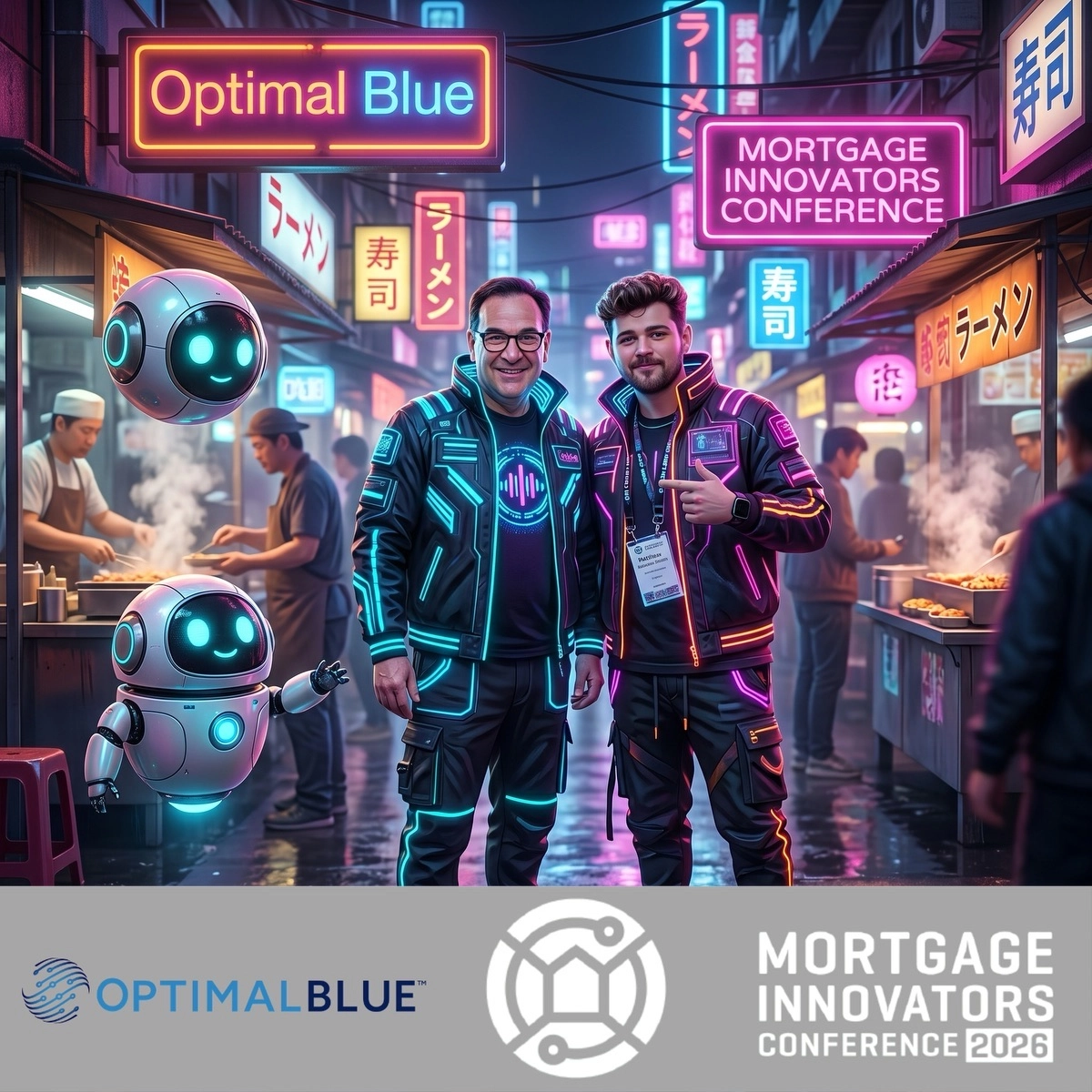
The style layer is also where branding lives. Custom AI backgrounds and generated environments can be designed around a product launch, a mascot, a themed activation, or a visual identity. A live AI sketch robot can turn a guest into a hand-drawn portrait, an AI portrait studio can produce a gallery-grade stylized image, and face swap and character reveal formats add a novelty angle that a standard booth cannot match. For corporate clients, the artwork itself becomes a branded takeaway rather than a photo with a logo on it.
Sharing in the moment
Processing speed is one of the clearest practical gaps. AI systems enhance and share photos instantly, while traditional booths can be slower and may require manual adjustments along the way. In many AI setups, the physical station is barely the point of the experience. The activation behaves more like a web experience: attendees scan a QR code and the finished artwork lands on their phone, ready to post before the next speaker reaches the stage.
Where a Traditional Print Booth Still Wins
None of this makes the classic booth obsolete. If you want timeless photos that capture real moments between friends, family, or colleagues, a traditional photo booth may genuinely be the better fit. The appeal is nostalgia, immediacy, and tangibility. A printed strip is an object. It ends up on a refrigerator door, tucked into a wallet, or pasted into a scrapbook years later. For weddings, milestone birthdays, proms, galas, and bar or bat mitzvahs, that physical keepsake is often the whole reason the booth was booked.
It also explains why the two formats are not mutually exclusive in practice. Plenty of modern activations pair the AI layer with on-site instant printing, so a guest can leave with a 2×6 strip or a 4×6 print in hand and a shareable digital artwork already on their phone. The question is rarely print or AI. It is usually how much of each you want.
A Side by Side Comparison
Category | Traditional Print Booth | AI Photo Booth |
|---|---|---|
Starting point | A camera, a pose, and a capture | A camera, a pose, then software analysis |
Finished output | A photograph, printed or digital | A stylized piece of artwork generated from the photograph |
Editing style | Static preset filters, sometimes manual adjustment | Automated real time enhancement, background removal, and face recognition |
Speed | Can be slower and may need manual tweaks | Enhances and shares instantly |
How guests receive it | Printed strip or digital file | QR code scan, delivered to the phone, social ready |
Customization | Limited to the preset filter set | Custom styles and generated backgrounds, including brand specific scenes |
Strongest use case | Timeless candid keepsakes | Personalization, novelty, and brand activations |
Physical footprint | A single station, which can create a bottleneck | Can run closer to a web experience with QR based delivery |
What Guests Actually Do at Each Booth
At a traditional booth, the flow is short and familiar. Step in, watch the countdown, pose, wait, collect the print, repeat with a different group of friends. The bottleneck risk is real because the print has to come out before the group moves on, and the next guests are waiting on that same machine.
At an AI booth, the flow is similar at the start and different at the finish. Guests approach a touchscreen, choose a style or theme, and pose in front of a professional camera paired with studio grade lighting. The transformation then runs on screen, often while the guest watches, which turns the wait into part of the entertainment. From there they can print on the spot or scan and share. Formats range from fixed open air setups to roaming and retro mobile units that move through a room, plus glamour filter booths, selfie stations, light tunnel experiences, and motion options like GIF, boomerang, and 360 video. That flexibility matters when a venue has an awkward corner, a spread out floor plan, or a guest count that will not queue neatly.
Choosing the Right Format for an Anaheim Event
Corporate activations across Anaheim
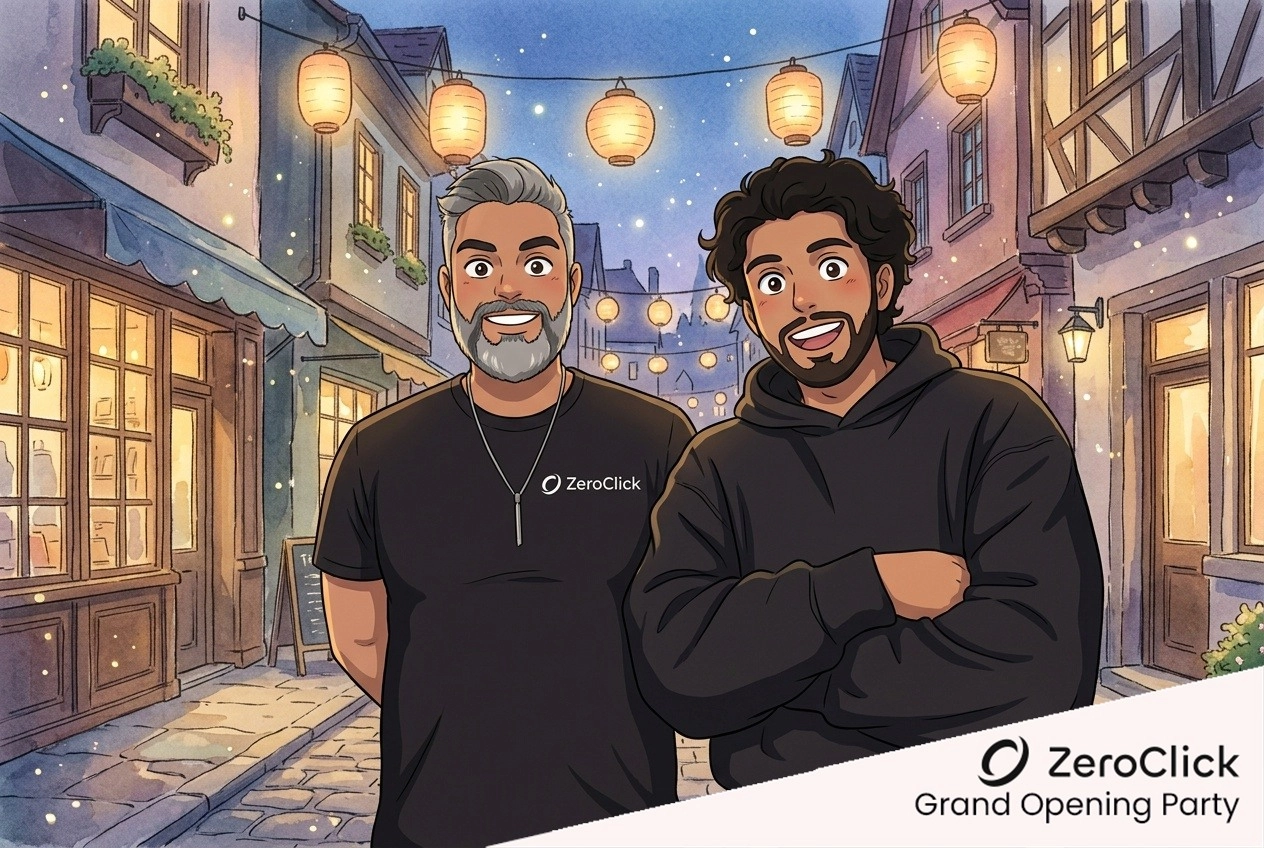
For conferences, trade shows, grand openings, and corporate parties, the AI format tends to earn its keep because the output itself can carry the brand. A guest does not just receive a photo with a logo in the corner. They receive a custom generated scene that puts them inside the company’s world. That is a meaningfully different sponsorship asset, and it is why AI photo booth rentals for Anaheim corporate events often get booked alongside a step and repeat wall rather than instead of one. The QR delivery also gives the organizer a shareable asset that travels well beyond the room.
Neighborhood to neighborhood planning
Event logistics shift depending on where you are gathering. In Anaheim Hills, a residential celebration or a country club reception usually favors a fixed open air booth that fits a defined footprint. Over in the Historic Anaheim Colony and the Anaheim Park District, older and more character driven spaces can be tighter, so a compact setup or a roaming unit may work better than a full footprint build. In West Anaheim, East Anaheim, Southeast Anaheim, and the Anaheim Eastside, the deciding factors are usually guest count, whether the space is indoor or outdoor, and how far apart the activity zones sit.
Matching the format to the guest list
Private celebrations lean toward nostalgia. Weddings and milestone birthdays often want a printed keepsake that guests can physically carry home, which makes the classic booth a natural centerpiece. Corporate and brand facing events lean toward novelty and reach, where instant sharing and custom visuals do more work than a paper strip. A hybrid approach covers both: a classic print flow for the guests who want the tangible souvenir, plus an AI station for the guests who want something they can post within seconds.
If you are booking in Orange County, it helps to work with a team that runs both formats and knows the difference in setup, power, and floor space each one requires. Lucky Frog Photos builds its equipment locally in Los Angeles and serves Los Angeles, Orange County, and San Diego, so the same crew can recommend the setup that fits the room rather than the one that happens to be on the truck.
Frequently Asked Questions
Is an AI photo booth better than a traditional print booth?
Neither is universally better. An AI booth produces a stylized piece of artwork and delivers it instantly through QR or email, which suits brand activations and share driven events. A traditional print booth produces a photograph, printed or digital, which suits weddings and celebrations where guests want a physical keepsake. The right answer depends on whether your priority is a tangible souvenir or a personalized, shareable piece of content.
Do AI photo booths still print photos?
Often, yes. AI systems enhance and share images instantly, but the booth itself can still include printing. Many setups pair the AI transformation with on-site instant printing, so a guest can collect a 2×6 strip or a 4×6 print and also receive the artwork by email or QR code. If printed keepsakes matter to you, confirm the print output with your provider before booking.
How long does an AI photo take to produce?
AI booths process in real time, applying enhancement, background removal, and the creative style while the guest is still at the screen. In practice, the transformation becomes part of the entertainment rather than a wait. Traditional booths may take longer because printing and any manual adjustments happen before the group can move on. Exact timing varies by setup, so ask your provider what to expect at your guest volume.
Can an AI booth be branded for a company event?
Yes. This is one of the format’s strongest advantages for corporate work. Custom AI backgrounds and generated scenes can be built around a product, mascot, campaign, or visual identity, so the artwork itself carries the branding rather than a logo overlay. AI photo booth rentals for Anaheim corporate events frequently use this approach for conferences, trade shows, grand openings, and company parties.
Which format works better for a large venue?
A traditional booth is a single station and can create a bottleneck, since each group waits for the previous group’s print to finish. AI booths can operate closer to a web experience, where guests scan a QR code and receive their image on a phone. At large or spread out venues, that flow, combined with roaming or mobile units, usually keeps the line moving better.