Downtown LA Proper Hotel AI Photo Booth Guide
Introduction
A Downtown LA Proper Hotel AI photo booth can be a striking fit for a wedding, corporate dinner, product launch, or brand event. The key point, however, is simple: an AI booth should be planned as an approved event activation, not assumed to be a permanent hotel amenity.
No public hotel information currently confirms that Downtown L.A. Proper Hotel operates or permanently provides an AI photo booth. That does not rule out using one for a private event. It means you should confirm the concept, vendor access, physical setup, image use, and technical needs with the hotel before promoting it to guests.
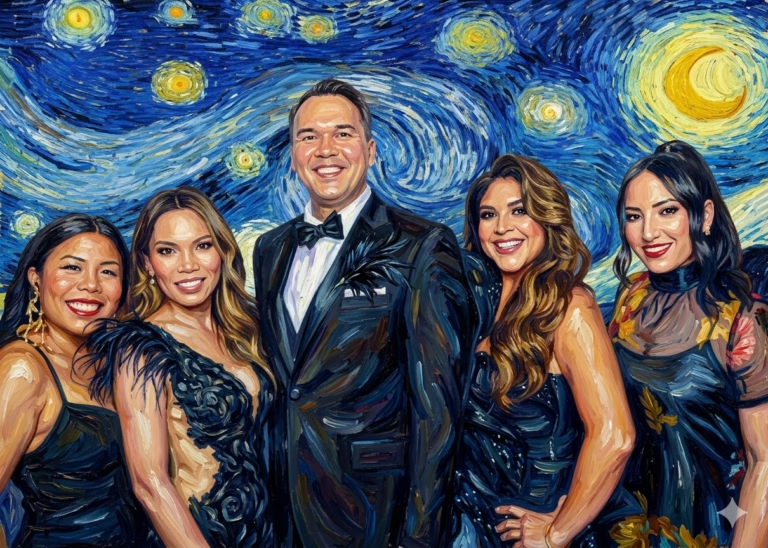
An AI photo booth is more than a camera on a stand. It captures a guest portrait, processes the image through a selected visual style, and delivers a digital result such as a polished editorial headshot, a surreal fashion portrait, a vintage travel image, or a brand themed transformation. In a design focused hotel setting, that experience can feel less like a party prop and more like a small interactive studio.
Table Of Contents
• What Is Confirmed About AI Booths At Downtown L.A. Proper
• Planning The Right AI Booth Experience
• Venue Approval, Guest Flow, And Technical Readiness
TL;DR Summary
A Downtown LA Proper Hotel AI photo booth may be possible for a private event, but it is not publicly confirmed as a standing hotel feature. Submit the booth concept early, treat it as professional imaging activity, plan around unobstructed circulation, and clarify power, Wi-Fi, image rights, and branding before committing to guest facing promotion.
Key Takeaways
Treat The Booth As A Curated Activation
The best AI photo booth concept is not automatically the biggest screen, the most elaborate backdrop, or the largest menu of generated styles. It is the experience that fits the event’s purpose.
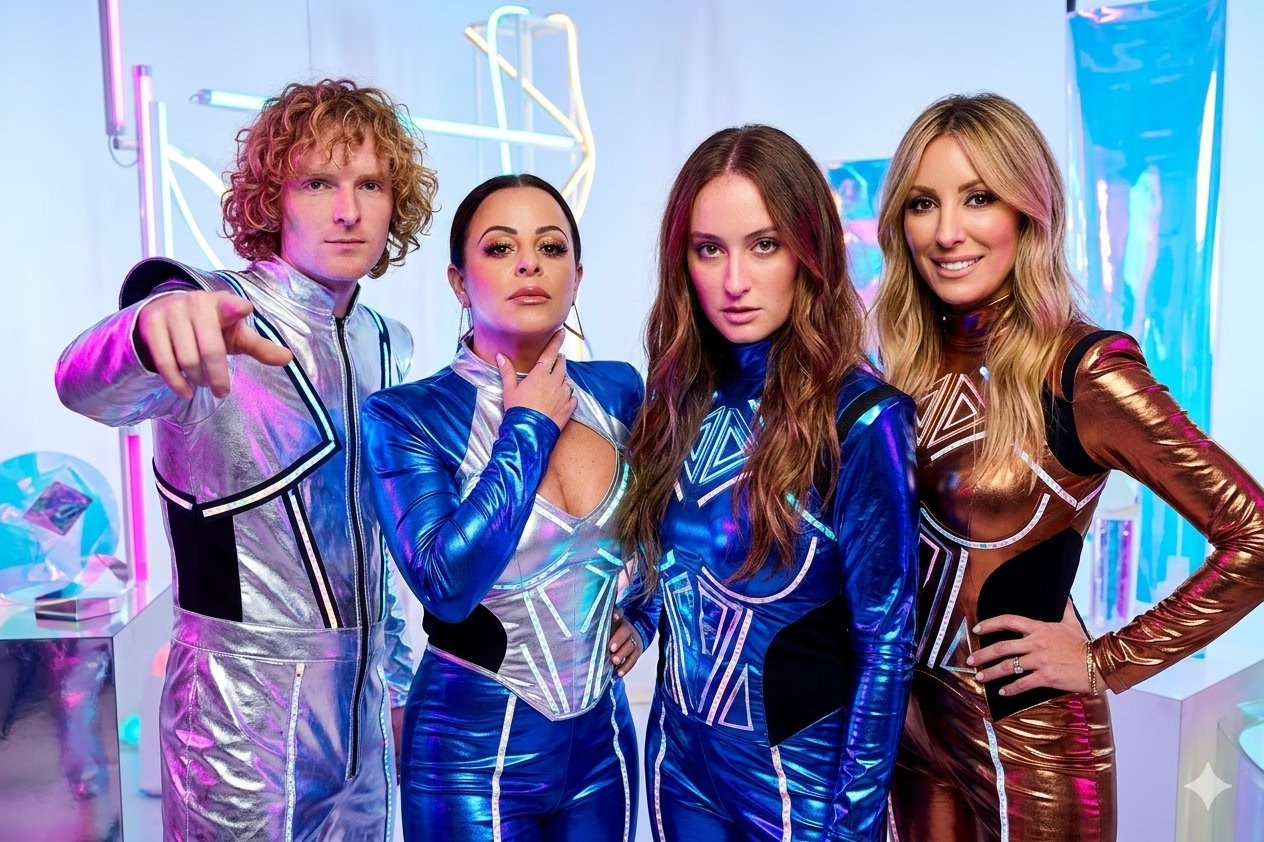
For a wedding, that might mean a refined portrait station that turns guests into old Hollywood inspired editorial images. For a corporate event, it could mean brand approved scenes that place guests in imaginative environments connected to a product, campaign, or company story. For a conference, polished AI headshots may have more practical appeal than fantasy transformations.
Your decision should begin with one question: What should guests remember, share, or do after they receive their image?
Event Goal | Strong AI Booth Direction | Watch For |
|---|---|---|
Wedding reception | Elegant stylized portraits with couple specific artwork | Styles that overpower the wedding aesthetic |
Corporate gala | Branded fashion, editorial, or future themed images | Slow approval cycles for logos and claims |
Product launch | Visual worlds tied to campaign themes | Commercial image rights and brand review |
Professional mixer | AI headshots with subtle retouching | Expectations around image realism |
Influencer event | Bold social ready transformations | Guest consent and public reposting rules |
Verify Before You Market It
Avoid wording such as “the hotel’s AI photo booth” unless the hotel confirms it is a hotel provided feature. If you are bringing in an outside vendor, more accurate language is “AI photo booth experience at Downtown L.A. Proper Hotel” or “private event AI portrait activation.”
That distinction protects everyone. Guests will understand that the booth is part of a particular event, rather than an amenity available in the lobby every day. It also prevents confusion if the hotel requests adjustments to the setup, timing, or placement.
The Experience Is Both Physical And Digital
A guest sees the visible part first: a camera, lighting, display, backdrop, attendant, and possibly a printer. Yet the digital side matters just as much. A typical AI workflow may include:
- Capturing a portrait with controlled lighting.
- Confirming the selected visual style on screen.
- Sending the image to a processing system.
- Generating a transformed portrait.
- Reviewing, delivering, or optionally printing the final output.
Every step introduces a decision. Will guests receive images by QR code, text, email, or a private gallery? Can they retry? Does an attendant review outputs before delivery? Is image generation dependent on an internet connection? Those are operational questions, not minor details.
What Is Confirmed About AI Booths At Downtown LA Proper

There Is No Public Confirmation Of A Permanent Hotel AI Booth
Available public hotel information does not establish that Downtown L.A. Proper Hotel currently advertises a permanent AI photo booth, an in house AI portrait service, or an exclusive AI booth vendor. If this matters to your proposal, contract, or client presentation, ask the hotel directly rather than relying on event photos, social posts, or broad assumptions about luxury hotel programming.
That uncertainty is manageable. It simply changes the planning approach. You are not selecting a prepackaged amenity. You are proposing an event element that needs venue alignment.
Photography Rules Matter Even When The Output Is AI Generated
An AI generated portrait begins with photography. That means a booth with professional cameras, lighting, an operator, or commercial image use may fall within the hotel’s professional photography review process.
Downtown L.A. Proper Hotel states that professional photography requires review and approval with at least four weeks’ notice, and that approved public space activity must keep those spaces intact and unobstructed. Review the hotel’s professional photography and public-space requirements before finalizing a booth plan.
This is especially relevant if the booth is part of a brand activation. A commercial campaign setup can involve more than portrait capture. It may include logos, product displays, media distribution, guest releases, and a queue of participants. An AI filter does not make those venue considerations disappear.
Event Support Exists, But Booth Specifications Need Confirmation
The hotel identifies event technology support that includes Wi-Fi, projection, sound systems, and staging, alongside in house catering and event planning access. Those capabilities are useful context, but they do not confirm the exact network, power, placement, or technical support available for a specific booth installation. Use the hotel’s meetings and event technology information as the starting point for a venue specific conversation.
For example, “Wi-Fi is available” is not the same as “a third party AI booth can use the network for real time image generation.” A vendor may need a dedicated connection, a separate hotspot plan, or an offline capture mode. Confirm the precise arrangement instead of treating broad AV support as a technical guarantee.
Planning The Right AI Booth Experience
Match The Visual Style To The Event, Not Just The Trend
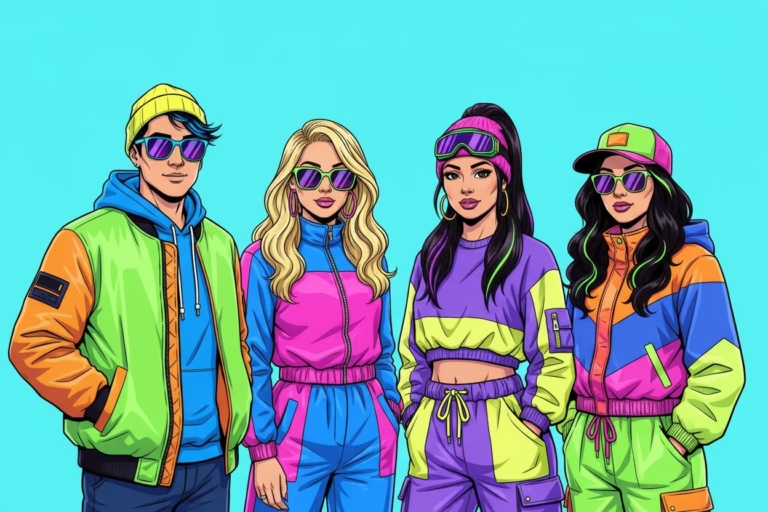
AI image generation is most compelling when the visual style feels intentional. A neon cyberpunk portrait may work beautifully for a technology launch but feel out of place at an intimate dinner with muted floral design. The right direction should complement invitations, lighting, wardrobe, florals, music, and the event’s broader visual language.
A useful creative brief includes these elements:
• The event purpose and guest profile.
• Two or three approved visual directions rather than an endless style menu.
• Brand colors, fonts, approved logos, and prohibited imagery.
• Whether portraits should look polished, whimsical, cinematic, illustrative, or realistic.
• The delivery method and any approved call to action.
Keeping the style menu concise helps guests decide quickly. It also reduces the chance that a guest receives a result that feels off brand, confusing, or unintentionally unsuitable for the event.

Design For The Guest Interaction
The guest journey should be intuitive enough that someone can understand it in seconds. A clear flow might be: approach, choose, pose, review, receive. If people need a long explanation before they can participate, the booth becomes a bottleneck.
Consider a corporate reception with a 90 minute peak arrival window. If every guest must choose from twelve styles, type an email address, approve marketing terms, and wait for a generation result, a line can form quickly. A simpler setup with three curated scenes and a QR delivery option may move more smoothly.
The booth should also accommodate different comfort levels. Some guests want a playful fantasy portrait. Others may prefer a restrained professional headshot. Offering one polished, lower risk option can make the activation feel inclusive without diluting its creative energy.
Build In A Consent And Image Use Plan
AI image provenance is the practical record of how a portrait was captured, transformed, stored, and shared. For a private celebration, this may be relatively straightforward. For a public brand event, it can become central to the project.
Before the event, decide:
• Whether images are private to the guest or available in a shared gallery.
• Whether the organizer may repost images on social channels.
• Whether guests must accept terms before delivery.
• How long images and email addresses will be retained.
• Who can request removal of an image after the event.
• Whether minors may participate and what consent process applies.
Fair warning: vendor terms, hotel approval, and client marketing expectations can point in different directions. A simple example is a branded activation where guests expect a personal souvenir, while the sponsor expects to repost the strongest images. That should be disclosed clearly at the booth, not discovered after someone sees their likeness in a campaign recap.
Venue Approval, Guest Flow, And Technical Readiness
Choose Placement Around Circulation First
At Downtown L.A. Proper Hotel, doors, hallways, passages, and elevators cannot be blocked. For an AI photo booth, this rule applies not only to the camera station but also to the line, attendant position, props, cables, stanchions, and people pausing to compare their finished portraits.
A booth footprint is larger than its backdrop. Think in zones:
Booth Zone | What It Includes | Planning Question |
|---|---|---|
Capture zone | Camera, lighting, backdrop, guest pose area | Can guests step in and out without crossing traffic? |
Operator zone | Attendant, tablet, controls, storage | Is there room to assist without standing in a passage? |
Queue zone | Waiting guests and directional signage | Where does the line form at its busiest moment? |
Delivery zone | QR display, print pickup, gallery review | Will guests stop here and create a second cluster? |
Support zone | Cases, cables, backup equipment | Can equipment stay out of public view and pathways? |
A booth placed against a visually appealing wall may still be a poor choice if its queue spills toward elevators or an event entrance. Conversely, a slightly less dramatic corner can work better when it allows a contained line and a clean guest exit path.
Confirm Technical Requirements In Writing
Do not assume that every AI photo booth needs the same infrastructure. Some systems may process images locally. Others may depend heavily on cloud services. Some may use studio lighting and a professional camera; others may be designed around a compact roaming setup.
Ask your vendor for a written technical sheet, then share it with the venue. It should identify:
- Physical footprint, including queue space and equipment storage.
- Electrical needs, cable routing, and backup power strategy.
- Internet needs, including whether a dedicated connection is required.
- Setup and teardown timing.
- Loading access, staffing, and equipment case count.
- Sound, display, printing, and lighting requirements.
- Backup behavior if image generation or delivery becomes unavailable.
The backup plan deserves real attention. If Wi-Fi drops during a busy reception, the booth should not become a silent decorative object. A thoughtful recovery option could capture portraits locally, collect guest delivery details only with consent, and send completed images later when service returns. Whether that is possible depends on the vendor’s system, so confirm it early.
Use A Four Week Approval Window As The Minimum
Because the hotel requests at least four weeks’ notice for professional photography review, a smart planning timeline starts earlier than that. You may need time for a venue walk through, design approvals, insurance questions, revised floor plans, and final technical coordination.
A practical sequence looks like this:
- Define the event objective and booth concept.
- Request vendor footprint, power, network, staffing, and image handling details.
- Submit the concept to the hotel with the event floor plan.
- Confirm whether the proposed location is private event space or a public area.
- Obtain final approval before advertising the booth or producing permanent signage.
- Reconfirm load in, cueing, and contingency procedures shortly before the event.
This approach is particularly valuable for lobby adjacent or public space concepts. The hotel may have additional expectations for staff accompaniment, guest privacy, furniture protection, or timing. A visually exciting idea can still need a more controlled location to operate smoothly.
Frequently Asked Questions
Availability And Approval
Does Downtown L.A. Proper Hotel Have An AI Photo Booth?
There is no verified public confirmation that the hotel currently offers a permanent AI photo booth as a standard hotel amenity. If you want one for a private event, ask the hotel’s events team whether an outside provider can be accommodated and what approvals apply.
Can You Bring An Outside AI Photo Booth Company To The Hotel?
It may be possible, but public hotel information does not establish a blanket approval for outside AI booth vendors. Treat it as a venue approval question. Share the vendor’s equipment list, floor plan, setup schedule, staffing plan, and image use details before making commitments.
How Far Ahead Should You Submit The Request?
Plan for at least four weeks before the event for professional photography review, then allow additional time for event specific coordination. Earlier is wiser for large activations, public space concepts, branded media use, or installations that need complex power and internet planning.
Setup And Guest Experience
Where Can The Booth Be Placed Without Causing Problems?
The safest location is generally within the booked event area, where the booth and its queue can remain contained. Avoid locations that affect doors, hallways, passages, elevators, or regular hotel guest movement. The line matters as much as the booth itself.
Does The Venue Provide Power, Wi-Fi, Or AV Support For The Booth?
The hotel identifies Wi-Fi, projection, sound, staging, and event technology support, but you need to confirm what is available for your specific event and whether it supports the vendor’s exact requirements. Ask about outlet access, network permissions, cable routing, and support during operating hours.
Can Guests Receive Their AI Images Immediately?
Potentially, but no hotel specific delivery timing is publicly verified. Delivery speed depends on the booth vendor’s equipment, connectivity, generation workflow, and guest volume. If immediate delivery is central to your event promise, require the vendor to explain how the system performs during peak demand and what happens during a connection issue.
Image Rights And Event Decisions
Who Owns The AI Generated Images?
That depends on the vendor agreement, the event organizer’s terms, and any guest consent language. Clarify whether guests receive personal use rights, whether the host can reuse images, and whether the vendor retains copies. For commercial campaigns, have legal and brand teams review the terms before the event.
Is An AI Photo Booth Better Than A Standard Photo Booth?
Choose AI when the transformation itself supports your event story and guests will enjoy choosing a style. Choose a conventional photo booth when fast throughput, simple keepsakes, and predictable output matter more than digital experimentation. A hybrid format can work well too: capture a clean original portrait, then offer an optional AI version.
Conclusion
A Downtown LA Proper Hotel AI photo booth can become a memorable part of an event when it is designed around the hotel’s setting, guest circulation, and approval process. Start with the creative goal, validate the technical plan, and be precise about image rights and delivery expectations.
The strongest next step is to prepare a concise booth brief for the hotel and your selected vendor. Include the event date, proposed location, floor plan, footprint, queue plan, power and connectivity needs, setup schedule, and intended use of the images. That level of preparation turns an exciting concept into an experience guests can actually enjoy.